
Clallam County Watchdog · Jeff Tozzer
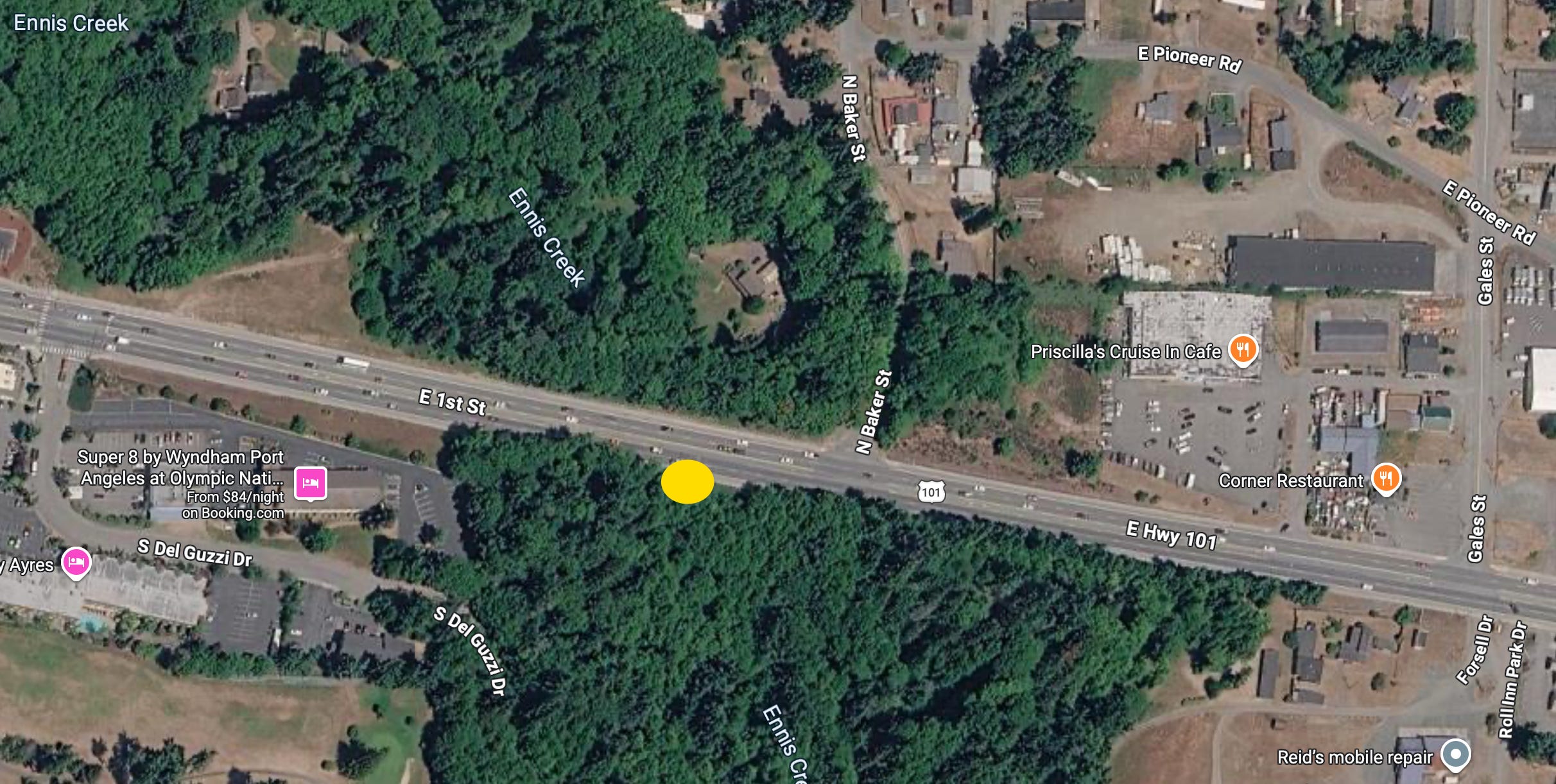
This summer, a Clallam County Sheriff’s deputy followed a frantic man into the dark along the south side of Highway 101 in the “Baker Dip” in east Port Angeles. “Come here and look,” the man said. “Right here.” Two people were down. Neither was breathing. Paramedics arrived, confirmed no pulses, and began CPR while more sirens closed in. One of the men, John Michael Adkins, 54, was later taken to Harborview Medical Center and died. The other, Jamie C. Trudeau, 61, was transported with a weak pulse after Narcan. Both had been found next to bicycles on a walkway protected by concrete barriers, amid a construction site. Drug paraphernalia—plastic “tooter” straws and burnt tin foil used to smoke controlled substances—was recovered at the scene and booked into safekeeping. The Scene on Highway 101 This is the actual cost of the harm-reduction expansion Dr. Allison Berry has championed and that Board of Health Chair Commissioner Mike French has defended. French recently told a Rotary group that the county expanded harm reduction a few years ago largely in response to the Jamestown MAT Clinic opening, framing the free supplies as a way “to create a connection with active drug users so that you can leverage that connection to get them to go to treatment.” He said the desire was treatment. The result on a stretch of highway many residents drive every day was two men who had collapsed together, unresponsive, one of them dead, with the tools of their addiction nearby. What the County’s Own Numbers Show The county’s own numbers undermine the claim that drug users are being “connected” to services. In a recent Kiwanis debate with Jake Seegers, French acknowledged that many people see “syringe exchange programs” as enabling. Seegers answered with the board of health’s own data: of roughly 12,000 encounters last year, only 27 were referred to services. That is a referral rate, not confirmed entry into treatment. Seegers noted that it isn’t a syringe “exchange” program at all — people can obtain hundreds of syringes at a time along with boofing kits, pipes, lighters, and foil for fentanyl — all taxpayer-funded and unrestricted. “We don’t have a syringe exchange program anymore,” Seegers said. No Pathway to Treatment John Adkins and Jamie Trudeau never found the pathway French described. The Lieutenant’s supplemental report concluded both men had overdosed on an unknown controlled substance, likely an opiate, and collapsed at roughly the same time, with no obvious signs of foul play. Responders identified Adkins from items in his belongings; Trudeau had a red backpack and a bicycle on him. Their clothes were cut for CPR. Perishable goods were field-destroyed. First responders performed CPR in the dark, requested additional fire resources, and later collected the paraphernalia. Those same responders then went home after watching two lives flirt with death on the sidewalk. It’s just another day on the job in a county that gives addicts the tools that trap them...
0:00SPEAKER_00I'm Jeff Tozzer and this is Clallam County Watchdog, the companion podcast to ccwatchdog.com.
0:06SPEAKER_00Today's article, Barry and French's harm reduction leaves a body count on Highway 101.
0:12SPEAKER_00Two men collapse on a Port Angeles sidewalk with free county paraphernalia nearby.
0:17SPEAKER_00One dies.
0:18SPEAKER_00The Board of Health's preferred policy remains untouched.
0:22SPEAKER_00This summer,
0:22SPEAKER_00a Clallam County Sheriff's deputy followed a frantic man into the dark along
0:27SPEAKER_00the south side of Highway 101 in the Baker Dip in East Port Angeles.
0:32SPEAKER_00Come here and look, the man said, right here.
0:34SPEAKER_00Two people were down.
0:35SPEAKER_00Neither was breathing.
0:37SPEAKER_00Paramedics arrived, confirmed no pulses, and began CPR while more sirens closed in.
0:43SPEAKER_00One of the men,
0:44SPEAKER_00John Michael Adkins, 54, was later taken to Harborview Medical Center where he died.
0:50SPEAKER_00The other, Jamie C. Trudeau, 61, was transported with a weak pulse after Narcan.