
CFC Solutions Cast · CFC
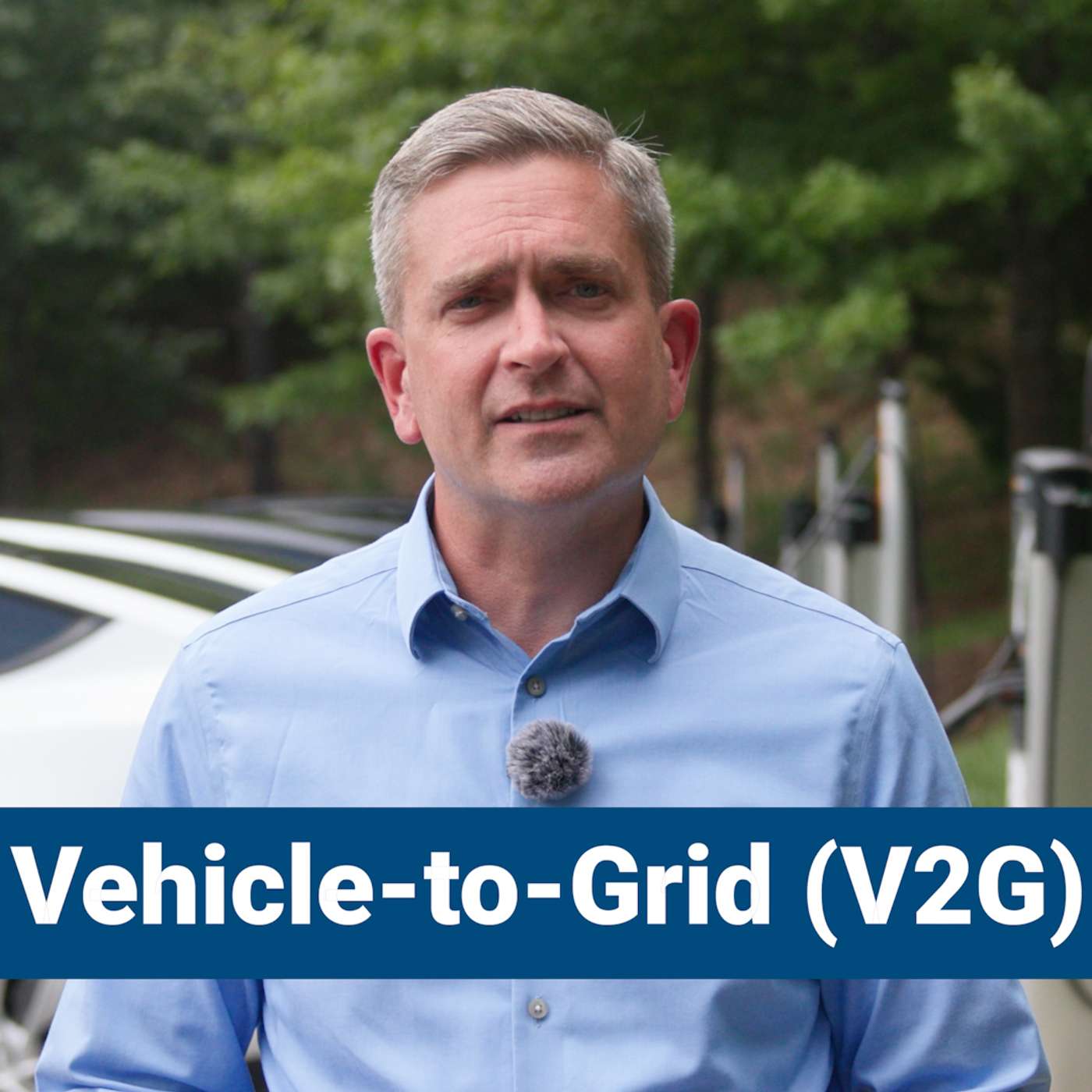
CFC’s Brian Sloboda takes a closer look at vehicle-to-grid (V2G) technology and explores the most important question for electric cooperatives. Related content: Watch the video of this episode, "What Co-ops Should be Asking About V2Gs." Read the CFC Solutions Cooperative News article, "New Companies, Partnerships Move Vehicle-to-Grid Forward." For questions and requests about industry research topics, please contact [email protected]. CFC members can learn more about the latest industry and technology trends by visiting nrucfc.coop/Solutions.
Welcome to Solutions Cast: Industry Insights. I’m Brian Sloboda, Director of Utility Research and Policy for CFC. Vehicle-to-grid, or V2G, is one of the most talked-about concepts in the utility industry right now. Depending on who you ask, V2G is either the future of the electric grid or the latest technology being oversold. The truth is probably somewhere in the middle. At its core, V2G is a simple idea: An electric vehicle doesn’t have to merely draw power from the grid. It can also send power back to the grid through a bidirectional charger. For utilities facing rising peak demand, growing loads from electrification and data centers, and increasing pressure to avoid costly infrastructure upgrades, the appeal is obvious. GM recently announced that its growing fleet of bidirectional-capable EVs could become a grid resource, and the company is working with utilities to expand V2G programs. GM says more than 250,000 bidirectional-capable vehicles are already on U.S. roads today. But for cooperatives, the most important question isn't whether V2G works. It’s whether the business model works. That question is becoming more complicated as vehicle manufacturers move deeper into the energy space. Ford, Honda, and BMW formed ChargeScape to connect automakers, utilities, and EV owners through a common platform. GM, Tesla and others are pursuing similar strategies. Their goal is no longer simply to sell vehicles. They also want a role in the energy market. That creates an important challenge for cooperatives. Imagine a member's EV provides value during a transmission peak reduction event. The battery belongs to the member. The automaker manages the software platform. And the co-op captures value by avoiding wholesale power, transmission or distribution costs. So who gets paid? That's the business model debate that's just beginning to take shape. Automakers will argue that they deserve a share because they provide the technology and customer interface. Co-ops will argue that the value only exists because the utility has a grid problem that needs solving. Members will want to know what's in it for them. And third-party aggregators may also want a piece of the revenue stream. Over time, the biggest negotiations may not be about technology at all. They may be about revenue sharing, data access and customer ownership. Traditionally, the co-op has been the trusted energy advisor. But that relationship may look different in the EV market. Many EV owners may have stronger day-to-day relationships with Tesla, Ford, GM, or Rivian than they do with their local utility. Some industry leaders are already discussing a future where automakers handle enrollment, customer engagement, software updates and dispatch of distributed energy resources. For cooperatives, that raises a strategic concern. If a member signs up for a V2G program through an automaker's app, does the co-op become just another market participant buying flexibility from someone else's platform? That is a question worth thinking about now, before V2G reaches scale. At the same time, cooperatives should remember that member engagement around distributed storage is not entirely new. Many co-ops have already demonstrated that members will participate when the value proposition is clear. GVEC in Texas offers a useful example. In a March 2026 Solutions article, GVEC described how it built a virtual power plant around residential batteries from Tesla, Enphase and Base Power. Members receive rebates, financing options, bill credits, backup power benefits or low upfront costs depending on the program structure. In return, GVEC gains access to battery capacity during normal market operations. As of early 2026, the co-op had roughly 600 participating members, more than 1,000 devices, and about 8 MW of capacity, with expectations to reach approximately 20 MW by year-end. Rather than relying on manual dispatch, GVEC uses automated controls and market-responsive software to charge batteries when prices are low and discharge them when prices are high. The result is a program that manages market risk while still maintaining member trust. During major storms, the batteries are reserved for the homeowner rather than the utility. That balance between member benefit and utility value is one reason the program continues to grow. That's an important lesson for V2G. The technology may be different, but many of the member engagement challenges are remarkably similar. If members see resiliency benefits, bill savings and a simple enrollment process, participation tends to increase. But if the value proposition is complicated or if the utility appears to be taking control without clear benefits to the members, participation will suffer. So what's the takeaway? In the end, V2G isn't just a technology story. It's a business model story. The co-ops that succeed will likely be the ones that apply lessons from programs like GVEC's residential battery initiative to the emerging opportunities around EVs. They'll understand the economics, maintain strong member relationships and negotiate a meaningful role in the ecosystem rather than simply becoming a buyer of flexibility from someone else's platform. And that may ultimately determine whether V2G becomes a niche pilot program or a meaningful part of the cooperative utility business model. That’s all for today. As always, thank you for joining us. Be on the lookout for more industry and technology content at nrucfc.coop/Solutions. We’ll talk with you soon!