
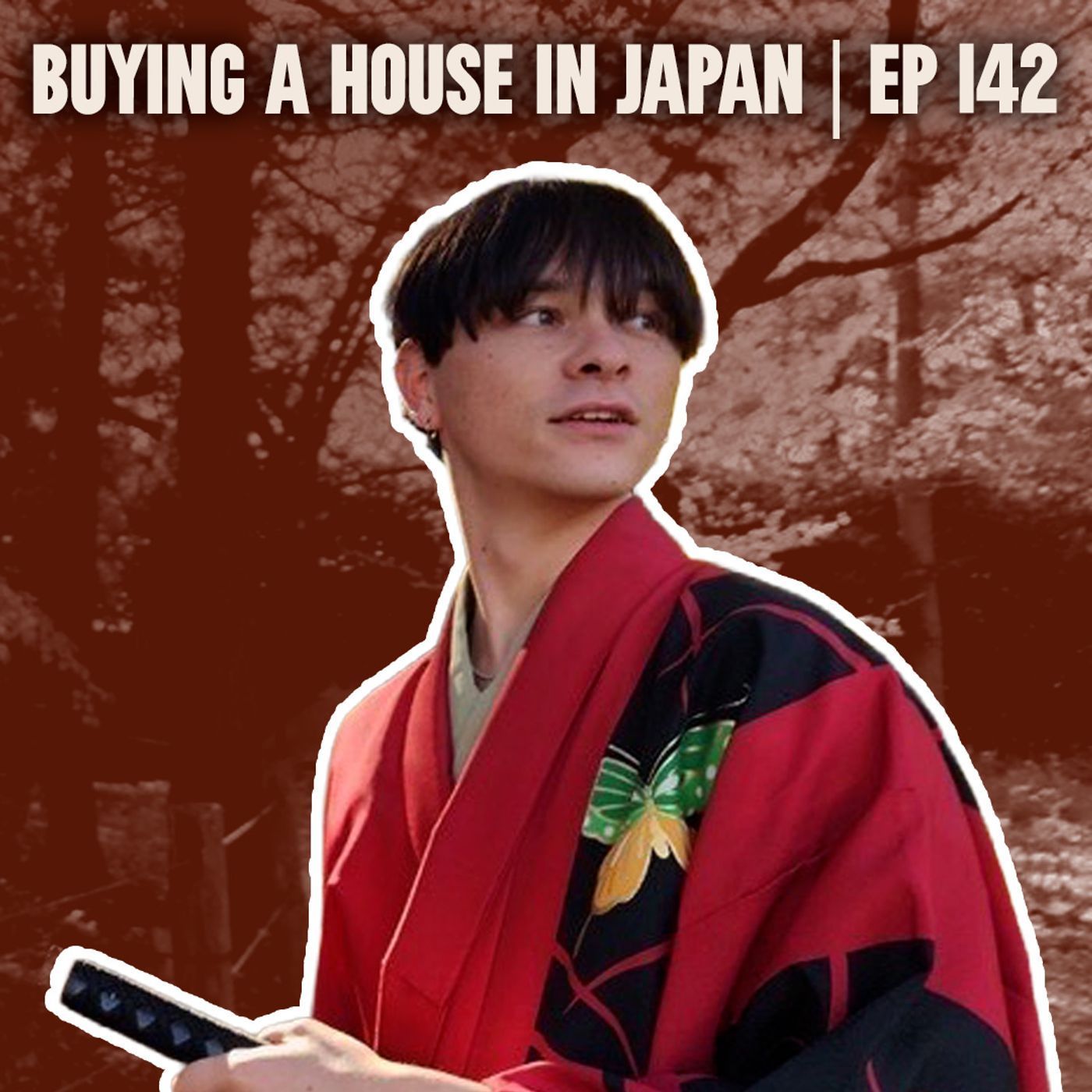
Buying a House in Japan · Mokomoko Productions
Sam Hanada, half Japanese and half Kiwi, moved to Japan through the JET Program and spent three years working inside a Japanese city hall before a short, eye-opening stint at a "black kigyo" (exploitative company) sent him looking for something better. Now working with the team on consultations and leading the new Mocha Moko Ambassador affiliate program, Sam shares what daily life in a small Chiba town is really like, how he built deep community ties through a 300-year-old local festival, and practical advice for anyone navigating Japanese bureaucracy or job hunting from scratch. Key Takeaways The JET Program has three distinct tracks (ALT, SEA, CIR) with very different Japanese-language requirements and levels of support "Black kigyo" red flags include vague job descriptions, personal bank accounts used for company funds, and "we're a family" language during interviews Making an effort to integrate is reciprocated in rural Japan — the "unwelcoming countryside" stereotype didn't match Sam's real experience City hall work in Japan deliberately rotates employees between departments every few years to keep them generalists rather than specialists Joining a local matsuri (festival) turned out to be one of the most effective ways to build genuine community connections and even led to freelance work In This Episode Sam's path to Japan: growing up half Japanese in New Zealand, learning the language later in life, and choosing the CIR (Coordinator for International Relations) track of JET What it's actually like working inside a small-town city hall, including the daily "chorei" morning meeting and generational mix of coworkers The population decline reshaping small Japanese towns, and how municipalities merge to preserve city status The full story of the "black kigyo" company Sam quit after one week, and the specific red flags to watch for when job hunting in Japan How Japanese overtime contracts (zangyo) actually work and why "family culture" language in interviews deserves scrutiny● Practical tips for visiting a Japanese city hall: what to bring, the best time of day to go, and how to prepare paperwork in advance How Sam got pulled into his town's 300-year-old dashi (float) festival through a work connection, and why it became a turning point for his sense of belonging Sam's current role running the Mocha Moko Ambassador affiliate program and doing consultations for people navigating countryside Japan Resources Mentioned Book a consultation and you may be paired directly with Sam for guidance on countryside living Learn more about the Mocha Moko Ambassador affiliate program Browse listings on the show's English-friendly property search site Follow the podcast on Instagram and TikTok for property tips and renovation updates Enjoyed This Episode? Subscribe on Spotify or Apple Podcasts and leave a five-star rating — it takes five seconds andreally helps the show grow. Have a question about moving to Japan? Send it our way.
speaker-0: I was first super scared because I just kinda had this image that was like countryside Japan is gonna be super rough, they're not gonna be super accommodating, they're gonna be like scary and yell at me and be like, ⁓ you're a foreigner, get out. But ⁓ that was the complete opposite. Like I've experienced so much welcome, like welcoming energy in the countryside and like the vibes and just the way people are, it's so chill. speaker-1: That's awesome to hear. I think that's one of the concerns for a lot of our customers who's just like, Hey, I'm gonna go countryside. Am I gonna be like welcome? speaker-0: If you're willing to make the effort and be hospitable, then they're gonna be hospitable as well. That's all it takes. As long as you're making effort, then Japanese people also wanna make an effort as well. speaker-1: Welcome back to the Buying a House in Japan podcast, the number one Akia podcast in the world. Today we're recording live from Tama Base Camp with a special guest. I know we always say that. They're all special. They're all very special. ⁓ my name's Takay. This is Joey. We're the co-host of the podcast. And today we have Sam Hanada. Is that Hanada on the podcast today? Sam is one of our new ⁓ I guess, employees here at at Akiya Mart. He's Do been doing consults. He lives in Chiba, but I'll let him give the quick intro. Sam, who the heck are ya? speaker-0: Yeah, my name's Sam. I'm half Japanese, half Kiwi. ⁓ born and raised in New Zealand and then moved to Japan about four years ago. And I've been working at Akiyama for the past two and a half months now. Yeah. Cool. It's a bit about me. speaker-2: Sam's gonna be running our ⁓ affiliate program, the Akiamart Mokomoko Ambassador ⁓ program. So stay tuned for that too. speaker-0: Looking forward to it for sure. speaker-2: Sam, what have you been doing in the you said you moved here four years ago, right? Yeah. What kind of work have you been doing up till now? I think part of your history, your your your job history here in Japan has been ⁓ interesting. speaker-0: really interesting for sure. So I was working in the local government for three years, first three years that I was here. so I came to Japan through the JET program. speaker-1: Came through with jet. speaker-0: Jet, okay. But so JET isn't just teachers. So Jet has three different ⁓ specialties within ⁓ its program. So it has the ALTs, which is the teachers, and then it has SEAs, which are like sports instructors. speaker-1: ⁓ really? speaker-0: They like sports coaching in schools and something like that. And then the position that I was in was called CIR, which is a coordinator for international relations. And so with that job as well, it's pretty broad depending on where you're sent. ⁓ but basically what a CIR is is someone who is acting as a bridge between your country and Japan as well. And the difference between CARs and ALTs is generally the level of Japanese that they're able to Yeah. There has like a Japanese requirement since you're gonna be working with the government and working in like City Hall. ⁓ some people work in different facilities, but for me I was in City Hall and so with that you're gonna speaker-2: ⁓ Yeah. Your your level of Japanese I would say more like nine out of ten, ten out of ten type range, right? Like speaker-0: I would say I'm fluent. I'm not native, that's for sure. I mean I grew up with both my parents speaking Japanese to a degree, but I definitely spent more time learning Japanese myself after getting into high school. ⁓ so I just kind of decided I wanted to connect more with my roots. So I started studying Japanese more and then in university I was originally studying ⁓ health sciences, so I was gonna go into medicine and then just had a c kind of change of heart and moved into international relations, ⁓ languages. And so my focus was in Japanese mainly. speaker-1: Similar to you, I grew up trying like learning some Japanese and I honestly just never got it. But like for you it sounded like s there was a point in high school where you're like, I'm gonna learn Japanese. Like what what was that like? speaker-0: Yeah, so my grandma, yeah, she would send me letters in Japanese. Okay. And so I couldn't read them. Yeah. And I felt I always felt so bad not being able to reply to her. And so that was kind of like the kid, the start, because I was like, ⁓ I want to be able to speak to her more. And then as I progressively started learning more and more Japanese and getting involved with the Japanese community in New Zealand, ⁓ that kind of just sparked my interest even further and I was like, Well, I wanna move to Japan and like experience what like this other half of me is. Like, yeah. So I just kind of kept studying and then made it my goal to just move to Japan at the end. And JET was the easiest way to come to Japan. So yeah, you have basically set salaries and everything and it's just super easy because they organize flights and everything for you. So I got to Japan super easily. speaker-2: I wanna hear your so earlier you're mentioning I wanna hear your opinion. You're saying kids that grow up with one Japanese parent, one non Japanese parent, it depends if the mom or dad is Japanese on their Japanese language ability. Yeah that they get for speaker-0: Sure, agree. And I was talking to this a little bit more ⁓ talking about this a little bit more with Takia as well. But yeah, we both have Japanese dads and so when you have a Japanese dad, they kind of don't have the motivation to teach you whatsoever. speaker-1: Very, very true actually. Yeah. Like it's always the mom that like mom like rock you know, sing to you in Japanese or whatever the language is. speaker-0: Lame. And I noticed that as well, like in New Zealand it's like eighty percent, ninety percent Japanese mom, white dad, or and then in my case, I think there was two other people that I knew that were Japanese dad, white mom. The funny thing for me though is that my mom also speaks Japanese to a degree. So even though my dad was like we live in New Zealand, we're speaking English, my mom was like, Well, your son is half Japanese, we need to teach him Japanese. And so my mum's mentality was like, well, if you're not gonna teach him Japanese, then I'll have to do it. So my mom tried her best to teach me Japanese, but her Japanese is also not that great. So yeah, I kind of didn't have the best Japanese up until high school really. ⁓ I did move to Japan for a little bit when I was like eight, but You move to Japan for a little bit, you move for a couple months, six months, then move back to New Zealand and you just kind of lose it all. So I always had like the basics, but I didn't really have conversational level until like getting into that high school phase. speaker-1: So again, this is the first time actually hearing about the three paths of jet. So you picked the what was it called again? The C I R. CIR. So they check Japanese fluency at that stage and then you're you're you're placed into a government office, is that right? speaker-0: Yeah, so it really is kind of funny how JIT works. Like you can say you in the application form, you can be like, Hey, I wanna move to this area, this area, this area. So I specifically put down Kanagawa, ⁓ Aichi Prefecture and Hokkaido because my family is from Aichi. ⁓ my family's from Hokkaido and then I have family also in Aichi Prefecture. But obviously being young, I was like, I wanna go to Tokyo and experience the city life. Yeah. And then they didn't take any of that into account and just kind of threw me into countryside Japan. ⁓ so I was placed in Chiba. But speaker-1: How'd you how'd you feel when you were placed? Like, yeah, I I want these three placing like speaker-2: Close but not close enough to Tokyo. speaker-0: It was a bit like, I'm in countryside Japan. But like it was also my mentality at the time was like, ⁓ at least I'm in Chiba. Yeah. It's close enough to Tokyo. And then I actually got to where I am and speaker-2: First step get there. Get to Japan. It was speaker-0: It's two and a half hours by train to get to Tokyo. It's like Chibu is right next to Tokyo. You'd think, ⁓ it'd be easy enough to get there. But when you're based in the countryside and you only have one train an hour and it's ⁓ Kokuekitesha and stops at every single station, you're not getting to Tokyo. speaker-2: By the beach at least, or not even by the beach? Nope. speaker-0: No, so I'm based in a small town called Sawada. The city itself is called Katori City. And then I'm based in this like historic Edo town called Sawada. And it's like along the Tone River. And so it was famous as like a merchant town during the Edo period for it like being a stopping point before people sent goods to Tokyo. Yeah. So it's got a lot of history and a lot of like potential as a tourist town, but Just the infrastructure and transport is terrible. speaker-2: So if I'm like a sports coach in America or s or New Zealand, box Yeah, what level of Japanese do I need to be part of that sports jet program, do you know? speaker-1: Yeah. speaker-0: Leave the sports one as well, you don't need any Japanese. I think for ALTs and the SEAs, w I think that's what they're called, like the sports coaching ones, they don't require Japanese and sometimes they actually prefer that you don't speak Japanese because it means that the kids are getting more of that immersion. speaker-2: Okay. ⁓ interesting. Yeah. speaker-1: The the jet program has changed so much, I feel over the past twenty years. Like at some point when the yen to dollar was ⁓ like favorable for the yen, like p they it was like a lot of money. speaker-0: Yeah, it was huge like twenty years ago. Like the the amount people were earning was so much. When I was on your program, it was kind of like also depending on the area you get sent, you get a lot of different things. So for ⁓ some of my friends, they got like the Yaching Ho Joe, they got all of their rent paid. Wow. ⁓ for me, I didn't have any of that. So it really depends on the place you're put and like the city. Like they have different jewel again, they have different speaker-1: Crazy, right? speaker-0: requirements and they have different things for each person. So I kind of got the worst of the bunch because every other place in Chiba, ⁓ they all got the housing support and things like that. Whereas my city was the only city that didn't have it. speaker-2: Have you ever recommend like after going through the pro the jet program, have you ever like recommended it to someone else like hey, you should like you should do it? I think it was a good experience, or have you not never recommended it once? speaker-0: The there's this slogan for Jet and it's every situation is different. And so for me, I literally had like the best time on Jet. I thought it was gonna be the worst. I was like, I'm gonna just spend the first year here. It's gonna be my like base, my foot in the door to basically get into Japan. and then I'll just quit and find a job in Tokyo. And then I did it for a year and I was like, actually. speaker-1: ⁓ real. speaker-0: I'm kind of enjoying myself and so I contracted for another I renewed the contract for another year and then did a third year and then once I got to my third year I was like, don't see any more growth. And so that's why I kind of stopped ⁓ and was like, Hey, I'm not recontracting this year and they were like, ⁓ we wish you would but yeah. speaker-2: So I'm curious about your experience working in the local government. I know that ⁓ so in Ishigaki down in Okinawa I had to do some things at the city hall. I got there right before lunch or just as the lunch break was happening, and they like I could see back in the office area, they like dim the lights and there was dudes kind of like in their chairs, like dozing at the desk. Yeah. It seemed kind of peaceful. Is that what happens? speaker-0: Yeah, it definitely is. It I think it happens in more of the countryside city halls as well. They're chill. They're so chill. They dim the lights. Everybody's asleep at their desk. they do. They turn off all the lights on my floor as well. So I was on the third floor. We had a seven floor city hall. ⁓ and I was on the third floor, but the first floor ⁓ of our city hall was pretty busy during lunchtime. So people would just have to like go in and out of breaks, like they'd have to take turns going in and out of break. ⁓ speaker-1: No, are they really doing a lot? speaker-2: They don't get a lunch break. Yeah. speaker-0: Basically. So if you were on the first floor you got like the worst. Mm. speaker-2: That's where everyone's coming in first part. speaker-0: coming in and you kind of have to be alert the entire time. But third floor it was super chill. Had all of like the rougher kind of divisions. So like the people who are doing like the have we had the Dob car so like the city planning and like stuff like that as well. And then the Noyen car, so like all of the agricultural and ⁓ yeah, that kind of stuff. So it was pretty chill for my floor. But yeah. speaker-2: Yeah. They get it like a siesta is like. speaker-1: Yeah. What exactly did you do in in the city hall? speaker-0: For me, my role was in the Kankuka. So I was in the tourism division. So I was basically doing local revitalization stuff and then also content. So my main goal was basically to bring English speaking foreigners to the city. So I would be creating like ⁓ posters in English, I'd be creating content in English, ⁓ showcasing all of these different like tourist spots in my city, ⁓ and like events as well. And then I also did translation, interpretation, and then some like PR and promotion stuff. So I would go overseas to different travel fairs, travel expos, travel companies, and basically promote the city and be like, hey, this is a spot you want to add to your itinerary to Japan. but yeah that was kind of like the main stuff that I did. But other than that, It was just kind of like free for all. They would just kind of randomly throw different jobs at me. So every day was different. And I'm so used to having so many different jobs thrown at me. So City Hall definitely built up my resilience. speaker-1: Yeah. speaker-2: It's again yeah, pulled in different directions. speaker-0: Yeah, like I've become so adaptable and that's something I'm super grateful for. ⁓ and that's the thing about City Hall as well. City Hall basically you stay in the same division for three years and then you get moved somewhere completely different. speaker-2: Mm. At that same location or like somewhere else in Japan randomly. speaker-0: Sometimes you get moved different locations. Sometimes it's just different places in City Hall. So my original manager was my manager for one year. And then she got sent off to Nadita for two years. Okay. ⁓ and so she had to work for the airport for two years. Even though she wanted to stay at the City Hall, they kind of were like, This is it's like it's kind of like a core can program. So like to get you to learn more skills about what Nadita is like. speaker-2: Ten shooker, yeah. speaker-0: And kind of bring that back two years later and see how we can apply it to our city. Okay. Nine times out of the ten they don't apply it in any way. So it's no point like speaker-1: Specialize in the not specialized generalist. speaker-2: The motive was good. speaker-0: Yeah. Basically that's what City Hall is. They want to keep you a generalist. They don't want you specializing. So that's the kind of sucky thing about it because you're stuck in this position. You're you're learning something. You become a specialist in something for three years and then you get swapped thrown somewhere else. So doing the tourism division for three years and then all of a sudden you're gonna be in the tax division. That's like it makes no sense. speaker-2: Very different. speaker-1: Okay. speaker-2: Do you guys do Raggio Tyso in the morning? Like Sometimes I s I see it happen. speaker-1: ⁓ really? No. Some yeah. Yeah, actually what kind of like yeah, where the stuff speaker-0: Funny for if I didn't have ⁓ Lagio Taiso in mind. We had chore speaker-2: That's the morning exercises. speaker-1: Yeah. ⁓ speaker-2: And some sometimes like Japanese companies or government like the employees get together and they'll exercise in the morning. What's chode? speaker-0: Yeah, exercise together. Today is like a morning meeting. And so every time you'd come in, you'd have to sit down or st actually you have to stand up for these meetings. Everybody in your division stands up for five minutes, and then the cutchel, like the head of the division, will just kind of say speech. Yeah, basically he gives a speech saying what everybody is doing for the day. Okay. And so he's like, This person is doing this thing, this person is doing this thing. This person has a meeting at I go across the city, this person is going to do this on whatever. And then you get into your work, basically. speaker-2: Has that ever been helpful? Do you think it was ever helpful to learn? ⁓ speaker-1: Yeah. speaker-0: I mean, it gives you an idea of what each person is doing 'cause I there's parts where y you're not communicating with each person, so you sometimes don't know what they're doing. So it's kind of helpful in that sense. But also the funny thing for me is that I started half an hour later than everyone, so I missed all day almost every single day. So it was speaker-1: How can we start half an hour later then everyone speaker-0: Actually a stipulation in my contract and it's a stipulation in all jet contracts actually. So we're contracted for seven hours a day. That's nice. I think it's like you get one hour of work and then one hour of a break. Whereas the typical company in Japan is eight hours of work and then one hour break. I think for City Hall it's a little shorter. So they start eight thirty in the morning and they finish at five fifteen. So it's just under that threshold. But yeah, so my contract was stipulated like that. So I just would come in, nine on the dot, leave five on the dot as well. Yeah, so I didn't have to deal with all of that. I just come in halfway through the day and be like, Hey, it's nice to see you all. speaker-2: Cho day eight thirty. ⁓ speaker-1: Okay, so your job was to attract more tourism to Katori. Tell us a little bit about Katori. Like why should me and Joey have never been there? Like why should we go as as tourists? speaker-0: Yeah. Yeah, so basically what I did while I was there, my whole point of ⁓ promoting Katori is that it's literally thirty, forty minutes from Nadita Airport. If you're driving from Nadita airport, it's thirty minutes. If you're catching a train, it's about forty. And so for me, the way I promoted it was always just like it's the perfect first stop or last stop during your trip. ⁓ and the reason why it's a great stop is because it's got so much history. So basically the town that I live in, Sawada, ⁓ it's this 300-year-old town, right? And so it's got all of these UNESCO heritage buildings and like ⁓ not UNESCO, sorry, like heritage buildings, and then it's also got like a UNESCO festival. And so it's got all of like this history that makes it super how do I say it, like super desirable place to travel, but it doesn't have all of the tourists. So it's basically like a speaker-2: River you mentioned too, with like the old houses on each side of the river. speaker-0: So it's called Little Edo, basically, is what the townspeople call it. They call it Cuedo Sawada. So Little Edo Sawada. And Little Edo is kind of often thought of like Kawague. People think of Kawagawe rather than where I live. But like Kawagaway is so tourist town now. And same with Kyoto as well. Like it's so historical, it's beautiful, it's great. But you're walking through streets filled with so many tourists, so many people, and you can't really enjoy that. Whereas like the city that I live, you basically have no one in the streets and you can like wander around the streets, take beautiful photos, and like wear the kimono, do the whole traditional Japanese thing. Mm-hmm. But you're not in like a congested crowd and you're not like fighting for your life amongst like several hundred other tourists and waiting in lines for like hours. So that was kind of the way that I promoted it. But like with that as well, it was super difficult because it is countryside Japan. Yeah. And even though it is a thirty, forty minute train ride from Nadita airport, it's like it's also a thirty, forty minute express train to Tokyo now. So it was super hard in that kind of sense to kind of promote. speaker-2: So you d you think the perfect way to experience Sawada is at the start of your trip or at the end of your trip do your thing in Japan and when you're coming back maybe spend do you spend would you recommend spending the night in Sawada and then going to Narita the next morning or what's the speaker-0: I think yeah, spending the night. For me as well, I personally think spending the first day is optimal because we also have a bus that goes straight to Tokyo. So straight to Tokyo station. So like first night you're super tired, right? You get on you get off the plane and you're like exhausted. Why not spend a day or two and like a slower paced town rather than going straight into the chaos? Close to the airport, yeah. Yeah, close to the airport. You're not dealing with all the chaos of like Tokyo, the lights and things like that. And then once you've kind of like got over the jet lag, settled down, enjoyed a little bit, then go into Tokyo was kind of the way that I went about it. speaker-1: Do you see in Sawado or Kathodi like the population decline? Is that kind of pretty apparent? That's speaker-0: Really apparent. So I've been there four years now. ⁓ when I was fur when I first moved, the population was seventy-two thousand. Okay. So for the entirety of Katori City, seventy-two thousand. And then now it's like sixty-eight thousand. Okay. So just in four years it's already lost four thousand. But the funny thing is as well that my town, like Katorishi wasn't Katori Shi. So in Japan a lot of towns are Gape. So like they're coming together because the population is so low. And so originally Katuri City was four different places. So it was one city, three towns. And so because all four of those places were experience huge experiencing huge decline in population, it was just easier to combine it to one city. speaker-2: I know there's like I've just you know, I've been working on the website and I do some you know, I'm researching Japanese ⁓ geographical stuff and I know that there's I c I don't know off the top of my head the numbers, but there's certain thresholds where like Amuda like these are government mandated, I think, numbers where like Amuda becomes a city and you know, vice versa. So I feel like if they drop below a certain threshold, okay, now we're no longer a city, we're a village. So maybe we combine together with to keep the keep the status, yeah. speaker-0: Stated Basically, yeah, that's kind of how it works as well. Yeah, it's also just to make the y 'cause the city hall as well, when the population declines as well, there's less people to do the admin. And so speaker-1: What was the average age of your coworkers at the City Hall? speaker-0: That's actually quite funny because we had a quite diverse age range in ⁓ City Hall. I would say a majority of people are in their late forties. Okay. But a lot of the people in my town kind of l they have a lot of jimotoe. So people love their hometown and my like town that I specifically live in. So they go to university in Tokyo and then they actually decide to come back. speaker-1: That's RB. Ooh, all right. speaker-0: Right. So we had a lot of fresh graduates ⁓ in City Hall as well. We also have fresh graduates from high school come into City Hall. speaker-1: Works. Interns. speaker-2: Straight. speaker-0: Yeah, so they'll rather than going to like university, they'll just come in straight out high school and work for City Hall. And then we also have people who come in from like Semonga Core. So like they'll go two years to a like community college or a specific ⁓ school that specializes in like policy and s sort of getting you into that government role. And then they'll do the two years there and then just come straight into City Hall. It's a it's an interesting mix for sure. speaker-2: Switching it up a little bit, I'm curious about the story moving into the black Kigo. I wanna hear what ha what's the story behind that? Yeah. speaker-0: ⁓ so Blockkyo is speaker-1: Black Kiyo. This is after City Hall. You like decided to leave City Hall and now you're going to this this new company. Yeah. speaker-0: Yeah, ⁓ I ⁓ yeah, Black Kigo in Japan basically is a company that overworks you, underpays you, also does some very sketchy things, ⁓ often borderline illegal or actually illegal. speaker-2: ⁓ is that like illegal activity in terms of like labor employee rights or like they're like I don't know, tax fraud or like they're selling poison as can like speaker-1: Okay. speaker-0: Honestly, it's kind of a mix of things. ⁓ the place that I it's funny 'cause I quit after a week. I quit after a week because I was like, I do not feel comfortable. Yeah. So I did the whole interview process and I was like, Wow, this company looks like incredible. I went through the interview process and I felt like 'cause it was technically Gaishike, so a foreign company. Yeah. But they had a base in Japan and they'd been operating in Japan for over twenty something years. ⁓ speaker-1: Quit after week. speaker-2: Yeah, usually people ⁓ expect the Gaishike to be a lot more relaxed, more like a American company. speaker-0: And then it's funny as well because I was taking a pay cut. But I felt so strongly that this would be a great job. It was kind of in the tourism industry. It was I would say like tour guiding, I guess. But I guess a lot of tour guide companies are also black kegel, ⁓ from what I've heard from other friends. But ⁓ yeah, I got into this company and then when I was going through the interview process, they just didn't mention a lot of things. And then I did the orientation and They started mentioning all of these random things and I was like, I didn't hear about any of this. Like what? speaker-1: Yeah, give us a give us examples here. speaker-0: So they were gonna put ⁓ funds that I would use for customers. So for example, I'd be doing two week tours or things like that. I'd be doing tours with like groups of people and they were gonna put all of those funds into my personal bank account. So I was like, Why why are you putting company funds and like customer funds into my personal bank account with ⁓ my pay? And they were like, We've always done it like that and I was like speaker-1: Now, speaker-0: That's really weird. I'm not comfortable with that. And they were like, ⁓ it it gets easier. ⁓ You get like you'll get used to it over time. And I was like, I don't want to get used to it. I'd rather you send me like a company card. And they were like, We can't do that because if we had a company card for every single tour guide, it would just be too much to manage. And I was like, Mmm. speaker-2: Yeah. speaker-1: Wait, so they were sending their like the the customers' funds to you and ⁓ they were taking it back out or like is that the speaker-2: Gotta be some weird tax avoidance stuff. speaker-0: Yeah, they would basically put in I don't know exactly how much it would be because I quit before that could happen. But they would put like say they'd put Guayakuma in in my account to deal with the customers for two weeks. Okay. And then at the end of the year th that's the funny thing as well. It was the end of the year, not end of every tour. They were like Any leftover funds that you have from these tours, we'll just collect back from you. We'll just have you send it back. And I was like speaker-2: Strange for sure. I'm not sure what they're they're thinking on their end. I can't speaker-1: I'm not just gonna put our funds in a a new employee like Hold this money for us. speaker-0: Yeah, like that was the main thing that kind of set me off. And then the job was advertised as a remote job. And I know as a tour guide, obviously you're not gonna be fully remote. You're gonna be doing tours and things like that two weeks on a row. Like but I had this assumption that like for the remote part of the job, like 'cause you obviously have to plan these tours beforehand and like write reports after the tours and things like that to just kind of give an update of what it was like. speaker-2: They just lie. speaker-0: They were like, ⁓ y you write reports every single day after you've like done the tour. Like you have to write a little write up every single night and send it to us. But you've just done like 10, 12 hours with these people. And so you're going back to your hotel like 8 p.m., 9 p.m. And then you're writing a report for an hour, two hours. And then you're going and doing it all again at like seven a.m. the next morning. You're doing that two weeks in a row. And then the planning for the cours beforehand as well, I thought you'd get separate time to do that, like separate work hours, but no. It's your your personal hours to write up all of this stuff. And I was like, worth it. speaker-2: Personal hours are expected. Did they did they do so like I've been learning more about like employment contracts in Japan? It sounds like maybe even this extends past Black Kigyo, but definitely it sounds like it's it happens with Black Kigo. But your salary will be whatever, and then the hours you work to get that salary include the overtime. So if you don't like if you were not to do the overtime, you wouldn't get that full salary. speaker-0: The thing in Japan is like it's I can't remember what the word it's like Minoshi Zangyo or something. So you have like set Zangyo hours in your contract. So you have fifteen hours already applied to your contract or thirty hours already applied to your contract. And so if you go over that thirty hours, they'll pay you more. But if you don't go over that thirty hours, your salary stays the same. But if you still you still have to do the it's weird. I don't know how to explain it. Perfectly, but like they it's not that they're gonna lower your salary if you don't do the overtime, but you basically have the overtime and you have to do it. Yeah. And even if you have overtime, like yeah. The ones that are the good companies, it's like for the good companies, it's fifteen hours. For the bad companies, it's thirty hours. But it's like speaker-2: But you have to do the overtime. It's like an extra week of work. speaker-0: Yeah, it's an extra week of work that you're doing and it's kind of expected. It's insane. speaker-2: Well it's conch it's in your contract. Yeah. speaker-0: I mean, there's times where you will do it and there's times where you won't do it. It also depends on the company. ⁓ and the company that I'm working for now has Zangyo, but I'm also only contract like I'm I'm not a full seashine at the company. I work part time there. So all of my Zangyol gets paid to me. So I have to get paid for any overtime that I'm done, l like doing. Whereas the people that work full time, they have thirty hours stipulated in their contract. speaker-2: How does it w did you do overtime at the at the city at the city hall or no? speaker-0: That's funny thing as well. So my co with jet contracts, they don't have overtime. So you don't get paid overtime. You get fruitaikyuka. So you get extra time off if you work overtime. Yeah. But it also depends on the city hall. So some city halls ⁓ my city hall was super lax about it, like 'cause obviously working in tourism you have to go to like city events. speaker-1: That's nice. speaker-0: You have to go I did overseas shit, so I was going overseas, doing ⁓ like extra hours in that sense. And so I had a lot of overtime that would just become that hoodie cai. And I was cool because we had on season, off season at my city hall for tourism. So during the wintertime I could literally take off a month at a time and go back to New Zealand visit my family, which was super cool. So unheard of. speaker-2: I think that's unheard of in Japan. speaker-0: But like that was the first thing that my manager said to me. She was like, You're gonna have a lot of overtime. And I was like, ⁓ And I was super scared at first, but like the overtime that I was doing was all festival related, events related. Fun. It was fun stuff. Fun, to be honest. And I was getting all of this extra time off to be doing fun stuff for speaker-1: Yeah. speaker-2: Good job. ⁓ speaker-0: But it also depends on each city hall. So my best friend, she worked at Chiba City Hall. ⁓ and so Chiba City Hall has their own different regulations as well. And then other city halls across the country have different regulations. So I had another friend in a different part of Japan. I can't remember exactly where, but she had in her contract, she when she did the overtime, she could only use it within the week. She had to take the time off within the same week. Some people had like eight weeks beforehand or afterhand that they could use it. Yeah, so that was where I was lucky. So I could gather it and just use it whenever I felt like it. And then yeah, some people didn't have that luxury. And also depending on city halls as well and different areas, people had different amounts. speaker-2: Gather it to one chunk. speaker-1: Jet slogan again, like it your results may vary or something. Every situation is different. speaker-0: Every situation is different. So I had a friend who only had fourteen days of annual leave. But I had twenty. So it really depended o on the situation, truly. So and that since I lucked out a lot, I just didn't get the housing support or anything. Okay. But yeah. speaker-1: Going back to Black Gigo, like how do you you know, for someone who is job searching in Japan, like yeah, what's like if you were giving advice to someone who's on the job hunt, like what are what are some signals of like, Okay, this is not ⁓ not okay or like anything in the interview process or any advice? Is there a website you can look at or speaker-2: Over like Zoom. speaker-0: I think it was all over Zoom. I think I first went to a career fair. Okay. So I went to Korea Fair. Yeah, I went to them in person and I met them and I just the the vibes were so cool. Like they seemed like great people and seemed like a great opportunity. Like you get to travel all over Japan doing this job. Yeah. But they kind of just didn't stipulate that you'd be working all the time. You'd basically be on the clock twenty four seven for that two weeks. speaker-1: Flag one career. Watch out. speaker-2: All right, one warning sign. Hit us with one speaker-0: Warning sign. They're very ⁓ especially if you're looking at like Geishi Ked that works in Japan, we're a team. We're we're like a family. work hard, play hard. That's their kind of vibes as well. But also when they're very vague about like the the the details, yeah, that was something that I found to be a red flag. ⁓ yeah. speaker-1: Okay, we're a family. Do those companies typically sponsor Visa? speaker-0: Yeah, they do. But for me I didn't have to have a visa sponsored. Okay. Because I'm on a family visa anyway, so but yeah. speaker-1: So some folks who do get that sponsorship are trapped. speaker-0: Yeah, in the black company. Visas in Japan as well. Visas in Japan are crazy. And they're getting even crazier. Like you're marked by different specialties, right? And so if you're leaving a company and you're not moving to a company that's like the exact s same type of work, you have to reapply for a new visa. speaker-1: Yeah. Do actually ⁓ sorry, going back to so for a listener who's obviously maybe doesn't have a visa, they're they're trying to maybe they're buying a house, they want to get a job here. Like do you think jet is a is a good first step? Yeah. speaker-0: I think Jet again, yeah, every situation is different. Some people have a terrible experience on Jet, but I would say a majority of the people actually enjoy their experience. speaker-1: Can they help you set up like the bank account? They like help you along that setup, which I feel like is is very difficult as you've you've seen the city hall stuff too. speaker-0: I think yeah, for me I had to do a lot of it by myself. They set up the bank and everything for me, but I had to find my own apartment. But I was also able to speak Japanese, so it wasn't as difficult. And I think CARs kind of to be able to do that kind of stuff to some degree. I mean they still help you. And my city hall they did. ⁓ but if you're doing ALT and SEA, ⁓ the sports coaching one, they d they basically do everything for you. speaker-1: Expected to I think there's something like magical about that as you know as Jerry speaker-2: Yeah. speaker-0: Yeah. ⁓ speaker-1: Yeah. It's a good way to get your feet on boots on the ground and kinda have it set up. speaker-2: Get into the system, like the the bureaucracy s machine here. speaker-0: Yeah. speaker-1: And then so jet's a good way to get in. And then once you ⁓ I'm curious on on City Hall, actually, like most of our customers, if they buy an Akea and they they live there, they're gonna have interactions with the City Hall. How would you ⁓ prep someone who's never been to a Japanese city hall? Like how do you interact? Any advice for someone who's who's going to the city hall, needing to do paperwork, stuff like that, like anything? Yeah, is it ⁓ any advice for someone walking into the city hall? speaker-0: Yeah. Bring everything. Okay. You'll need it. That's true. You need everything. You need every document. You need documents. You need everything. It's so annoying. But city halls, the amount of paper that they go through is insane. Everything is on paper. It's so backward, but like, yeah, you just need to be overly prepared when you go to the city hall. ⁓ also having like the kind of things you want to talk about set up. like translate into Japanese first so it makes it kind of easier process. I mean if you're in a bigger city as well, there's definitely English speakers nowadays, so it's not that hard. ⁓ but if you're in a countryside like mine, ⁓ I was literally the only English speaker in my city. Yeah, basically I I'd get calls. I would literally get calls and they'd be like, Hey, we have this foreigner that can't speak Japanese. It sounds like they can speak a little bit of English. Can you help? And I'm like speaker-1: Yeah. Get over here. speaker-0: I'd go down there and they'd be able to speak like the most basic English and it was like I have no idea what you guys are talking about. ⁓ no. And then we also had a Thai person in my division as well. So whenever we had like Thai people, we'd have him come down and do all of that stuff as well. speaker-1: Okay. So going back to be prepared, translate stuff beforehand. Yeah. And like speaker-2: My experience city hall, it's a lot of like you get in and then there's the lady at the desk, the information. She tells you like which place to get the ticket for, you get the ticket, you get the document, they stamp, and then they're like, Okay, now that line next, then you get the next ticket and then like now the you're always like, you know, the speaker-0: Moving for expect to spend at least half the day at City Hall when you go. Like especially on start like in the beginning. Spend yeah, probably half a day. Maybe you'll have to go in multiple times as well. speaker-2: And bring every document you have. speaker-1: Okay. He's going like is there a better time like right when they open or like at the afternoon, anything along those lines? speaker-0: I'm actually the worst. I always go in lunchtime. speaker-1: Okay, lunchtime. Don't go over during lunchtime. speaker-0: No, I go at lunchtime. Lunchtime is the is actually kind of the best time to go in because everybody kinda thinks ⁓ everybody's going to lunch. But my city hall it was kinda like the lunchtime was the low time, but there's still people coming through, so it was easy to get through and out quickly. Yeah. If it was lunchtime. And then if you go in the afternoon, people are already super tired and super over it. So I recommend not going at the afternoon. speaker-1: Okay. Yeah, that's what I would think. speaker-0: Because they're just gonna be a lot more angry and a lot more cranky. ⁓ yeah, definitely early in the morning or just before lunch is the good time to go, I think. Even as someone who worked in City Hall going to City Hall, it actually annoys me. I hate it. Like every single time I'm just like Hey, I'm back Literally, literally. They're like, What are you doing here? And I was like, I have to file out some forms and stuff, and they're like speaker-1: Is it zone? Yeah, go say hi to your homies like hey back. Good luck. Yeah. ⁓ man. Okay. Switching gears a little bit, like Sam, I think you've done a really good job of living in kinda Inaka area but integrating with the society. I think you you've you're participated in a lot of like Matsudis and like tell me a little bit about that and how did you get involved in that space? speaker-0: funny as well because that was actually city hall related. Okay. So I joined the festivals for work originally. Yeah. And so the festival in my city is three days long and it's from 10 a.m. till 10 PM. And so I was like, can I join this festival for work? And my manager was like, if you're gonna post about it, I can't see why not. Anyway. Yeah. So I got 12 hours of work to participate in a festival when you're drunk, basically. And the way I speaker-1: You can post it. speaker-0: got started was through a coworker at City Hall. He was like, Do you want to join? And I was like, okay, I guess I'll try it out. And then I joined just like to try it out. And then they were like you're gonna do it next year, right? And now I'm like stuck. And so I did the first one which was in summer. It's actually next week. Okay. ⁓ so I did the one in summer and then they also have one in the autumn. speaker-1: Yeah, that's how they get to, huh? speaker-0: And so one of my friends that I made while I did the summer one was like, I do the autumn one as well. Do you want to try out the autumn one and see what like the differences are like? And I was like, ⁓ it could be interesting. So I did. speaker-2: What do you mean by doing it? Like are you like carrying the thing? ⁓ speaker-0: ⁓ my local festival is a Dashimatsuri, so it's like a float, like a giant float. No, you pull it. The Mikoshi is all page. Yeah. We have Mikoshi as well, but it's not as often or prevalent. It's the ⁓ differently speaker-1: ⁓ you carry the thing? ⁓ okay. I I've done the carrying one, those things so so so so speaker-2: We'll never do in the Nikon. speaker-1: So so bad. speaker-0: Your shoulders get super buckle bookle. Like you get like huge bruises on your shoulders. ⁓ but yeah, the festival that I do is a float festival and so it's like this three ton, ten meter tall, like float on wheels, basically. And it's just all of those people are pulling the float around the city. Like they'll pull the float around the city, get money from local f stores. get drunk, ⁓ dance. Like it's yeah, it's interesting, for sure. It's a three hundred year old festival and so it's got a lot of history and a lot of like ⁓ details behind it. ⁓ but speaker-2: Dashimatsuri, you said Dashuri. Dashim what's Dashi mean? Dashi means a floor. speaker-0: Kanji is the kanji for it is Yamakuruma. So it's Yeah, so it's Mountain Mountain car. ⁓ and so it's just these giant like floats, like ten feet tall floats on wheels, and so you pull them. There's quite a few in different areas around Japan. So my festival specifically is called ⁓ Sawara no Taisei, so the Sawara Grand Festival. And so yeah, you just pull these floats all day long. speaker-1: Yeah, my could have. speaker-2: So speaker-0: The floats have like fist historical figures in Japanese history. So you'll have people like ⁓ the first emperor of Japan or like warlords. Sometimes it's like Japanese poets. So it's very varying. ⁓ it depends on each ward in the city as well. So we have different wards throughout the city and people who live in those wards take part in those wards typically. But some of those wards also don't have enough people living in the area, so they kind of Ask people from different areas around the city. So that's kind of how I ended up in the ward that I'm in now, because they just didn't have enough people and they were like, hey. speaker-1: Come on, we need your help. speaker-2: Kind of feel like they're always trying to recruit people. speaker-1: I think, yeah, the population is going down. Like yo like Sam's a young, young, strong guy. Like, come on, Sam. We need your help. speaker-0: But yeah, being in one of the wards that doesn't have as many people is exhausting because you're you're working ten times more. So the one that I do for summer has so few people, so I'm like doing all the work. But the one in autumn it has enough people that I'm like I'm just pissing around half the time, going off, hanging out with friends, drinking. The reason I started it as well is I kind of wanted to experience more Japanese culture and get in touch with like Japanese local. speaker-1: Have a good time. speaker-0: people because I didn't want to just be like talking with my like Japanese kiwi friends here in Japan. I wanted to make friends in the community and also just, you know, actually immerse myself in the area rather than, you know, spend my time working in the city and then every weekend go off to Tokyo and just hang out with my friends there. I wanted to make some deep connections and like in turn that helped me in different business aspects as well. I was able to get like different freelance jobs. ⁓ my current job as well, like other job that I do, I was able to get that through the festival. Like, so it's such a good way to build connection and just try to do things as well as being like immersed in your community. And I think it's super important. And I was first super scared because I just kind of had this image that was like countryside Japan is going to be super rough. They're not going to be super accommodating. They're going to be like scary and yell at me and be like, ⁓ you're a foreigner, get out. But that was the complete opposite. Like I've experienced so much welcome, like welcoming energy in the countryside and like the vibes and just the way people are. It's so chill. And yeah, that's definitely why I've been there so long for sure. speaker-1: Well that's that's awesome to hear. I think that's one of the concerns for a lot of our customers who is just like, Hey, I'm gonna go countryside. Am I gonna be like welcome? And I think the over the resounding thing is like if you're involved in if you wanna be involved with the country, Join the Mod City. Join the mod city is the the quick one, but speaker-0: I think with Japanese like culture as well, it's such like an almult o multinasi thing. Like if you're willing to make the effort and be hospitable, then they're gonna be hospitable as well. Like that's all it takes. As long as you're making effort, then Japanese people also wanna make an effort as well. Yeah. So that's kind of just how I approached everything. I wanna make as much effort as people are gonna put in for me as well, you know? speaker-1: Yeah. Sam, that's an awesome place to end. And I I think like that spirit is really important for anyone that comes to Japan and and being prepared to carry that float thing that's super heavy or like helping your neighbors. I think especially with the aging population. They're they're looking at the young folks and like, I need your help with this and that and there's no shortage. So like if you are entering one of these communities, I think it is expected that you will need to help and be called upon and it's it's good. You know, that's the quickest way to get ingrained probably with the community, right? Yeah. speaker-0: Sure. speaker-2: They need help too, especially these l these more the more rural and regional you go, they're gonna need more help with the must be it sounds like speaker-0: And I think that's super important as well. It's so important to like keep that history alive. And I think as someone who has that Japanese background and also like an English background, being able to showcase that history and that like ⁓ culture in another language as well is super important and it kind of brings that spotlight on that as well. And that's something I'm super passionate about. Yeah, for sure. speaker-1: Cool. Well, Sam, ⁓ thank you for being on the podcast. Thank you for working with us. ⁓ for listeners, you if you book a consultation, you there's a chance you work with Sam here. ⁓ he can kind of guide you through how to navigate countryside Japan. And ⁓ other than that, if you are Sam is leading our affiliate marketing program. So you may be hearing from him if you want to work with us on an affiliate program. Sam's your man. Yeah. So cool, Sam. Well, thanks so much for being on the pod. speaker-0: Thanks for having me. Enjoy it. speaker-2: Thanks for listening to this week's episode of Buying a House in Japan. If you find the show helpful or at least entertaining, give us a five-star rating. Takes five seconds and really goes a long way. speaker-1: If you or someone you know is looking for a Japanese home, check out Akiamart.com, our English friendly site that lets you browse over half a million listings. That's a k-i-y-a-m-a-t.com to find your dream home in Japan. speaker-2: If you've got questions or feedback, drop us a line, email contact at akiamart.com. You can also find us on Instagram as well as TikTok where we post properties, tips on the home buying process, and updates on our own purchases and renovations. speaker-1: Thanks again for listening and we'll see you next week.