
Beyond the Garden Basics · Farmer Fred
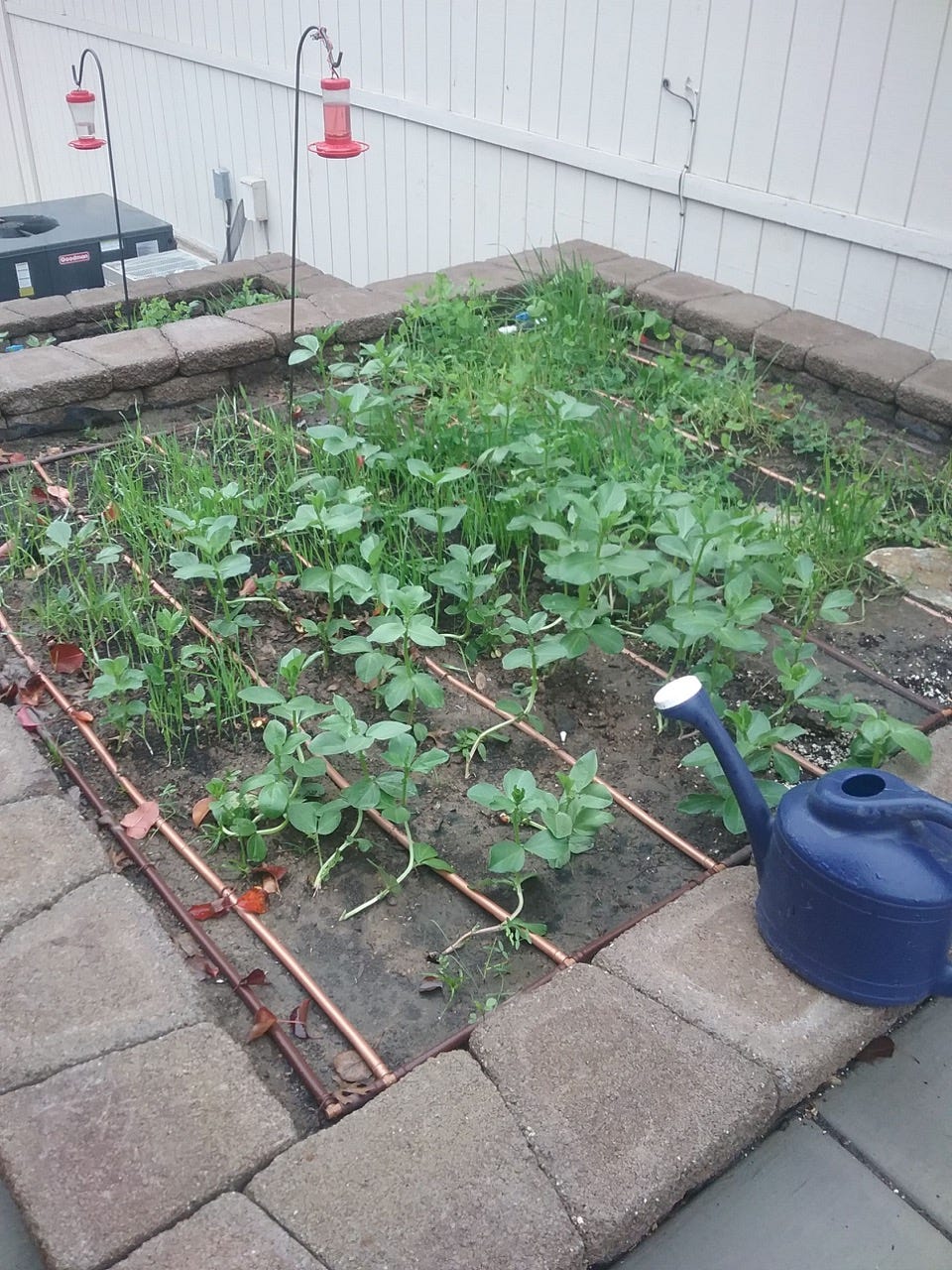
In today’s podcast, Sacramento County Master Gardener and vegetable expert Gail Pothour explains how to transition garden beds and raised beds from warm-season crops to cool-season plantings. We talk about clearing out tomatoes, peppers, squash, cucumbers, and melons at the end of summer: should you pull out the plant or cut it off at the soil line? It depends. Gail will explain, emphasizing the importance of checking the roots of summer garden plants if they were victims of pests or disease. Gail mentions the advantages of adding compost and lightly working it into the soil rather than doing heavy tilling. She also discusses winter cover crops such as mustard mix, crimson clover, and soil-builder blends of cover crops, along with how and when to cut them down so they improve the soil. Here are the main points from the podcast: * Before you rip out summer crops and jump straight into fall planting, take a beat and deal with your soil first. It makes a real difference. * When you pull spent tomatoes and squash, check a cross section of the main stem for browning. That’s a sign of fusarium wilt, and it means the disease could spread to your other beds. * Pull the roots all the way out instead of cutting plants at soil level. Yes, leaving roots to decompose feeds beneficial bacteria, but you need to see the roots to check for root knot nematodes. Gail’s team found nematodes in a bed that never had that problem before. * Skip granular fertilizers for fall planting. It’s slow release, and cool season crops need something that acts fast. A liquid feed, such as fish emulsion or kelp, works better. And honestly, you might not even need it. Let the plant tell you if it’s hungry through the yellowing leaves. * Work a couple inches of compost into the bed gently. No tilling needed. Just slide a garden fork in (a broadfork is ideal), rock it a bit, and let the compost filter down naturally so you’re not disturbing the soil structure too much. That helps preserve the existing beneficial soil microbiology. * Cover crops are a smart move if you’re not planting edibles in every bed this winter. Try a mustard mix (it actually helps suppress nematode populations), crimson clover for nitrogen fixing, or a soil builder blend of oats, vetch, peas and bell beans. * Timing matters with cover crops. Cut them down while they’re flowering. That’s when the nitrogen benefit to your soil is highest. Let them go to seed and most of that nitrogen gets diverted into the beans or pods instead. * Fine cover crops like mustard and crimson clover can be left right on the soil as mulch. Woodier ones like bell beans and the soil builder mix need to be chopped up first, or they’ll take forever to break down. * With a wet winter predicted, mulch is doing double duty. It protects against erosion and it cushions the soil from compaction when heavy rain pounds down on bare dirt. * Only use disease-free plant material for mulch or compost. If you’re dealing with powdery mildew,...
0:00SPEAKER_00Well, it's that time of year when people are ripping out their warm season garden,
0:04SPEAKER_00the tomatoes,
0:05SPEAKER_00the peppers,
0:05SPEAKER_00the zucchini,
0:07SPEAKER_00and whatever else you produce in the way of flowers that are warm season crops,
0:11SPEAKER_00and moving into cool season crops if your weather allows.
0:15SPEAKER_00Now, here in USDA Zone 9,
0:17SPEAKER_00here in Sacramento, well,
0:18SPEAKER_00you can garden year-round,
0:20SPEAKER_00so we're definitely clearing out and moving in,
0:24SPEAKER_00changing over from warm season to cool season crops.
0:28SPEAKER_00But before you stick those pretty winter flowers and that tasty winter green
0:35SPEAKER_00into your ground, maybe you should do something with your soil first.
0:39SPEAKER_00What do you do?
0:40SPEAKER_00Let's find out.