
Beyond the Garden Basics · Farmer Fred
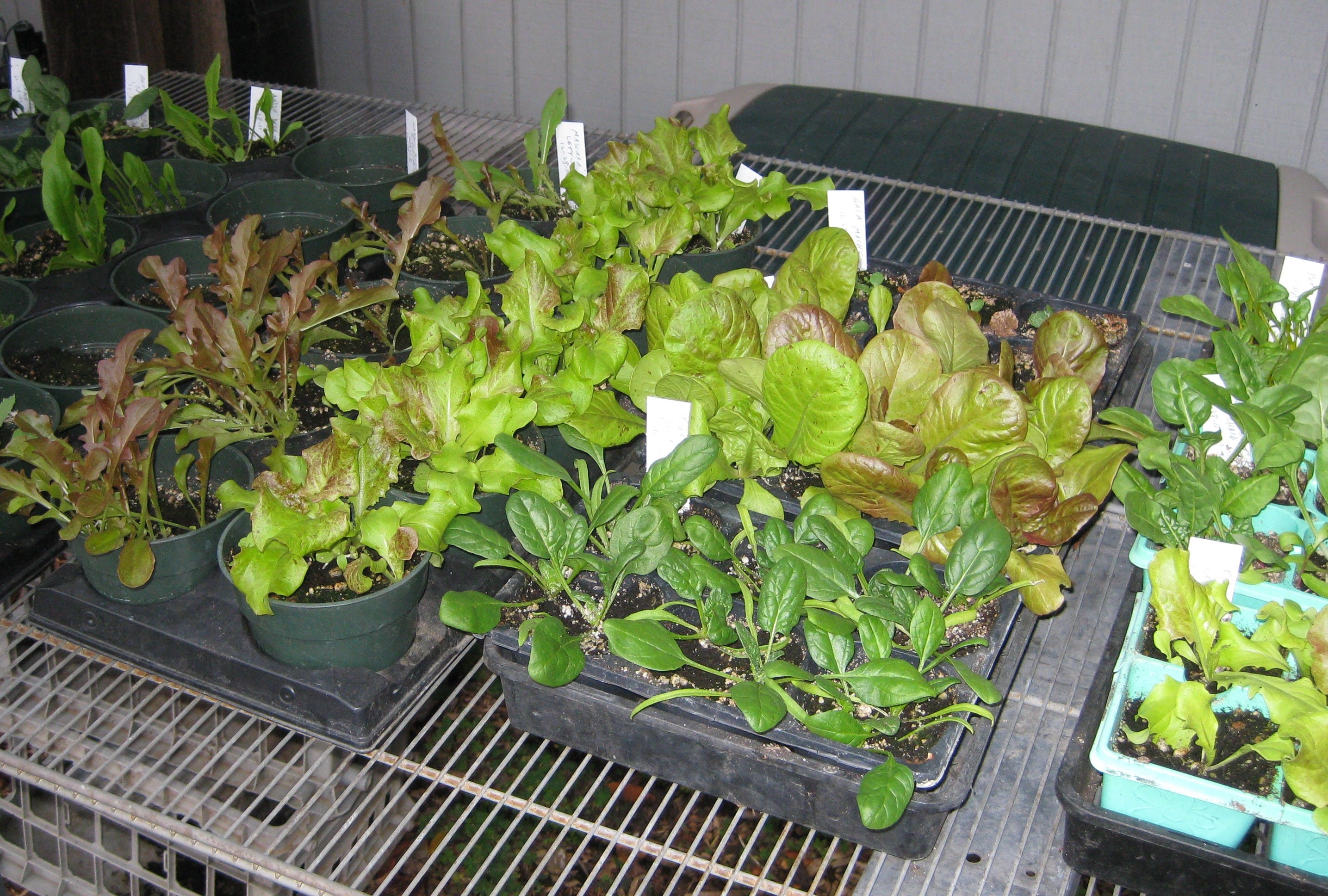
In today’s podcast, Master Gardener and vegetable expert Gail Pothour talks about cool season greens to grow in your backyard garden during the fall and winter. There’s a human-corrected transcript at the bottom of this newsletter. Among the main points in our conversation: * Cool season vegetable gardening works especially well in USDA zones 7, 8, 9, and 10; but in colder areas you can grow food nearly year round if you plan for it. * Late summer into early fall is the time to pull tired summer crops, work in some compost and fertilizer, and get cool season seeds or transplants in the ground while the soil is still warm. * Most cool season crops mature fast, often in 40 to 60 days, so you can have a real harvest within about two months. * A cold frame, basically a raised bed with a hinged translucent lid, protects plants from frost and heavy rain, and doubles as an insect barrier when you stretch screen across the open top during the day. A must for colder climates. * Floating row covers are one of the most useful tools this time of year. It keeps cabbage loopers and imported cabbage worms from laying eggs on brassicas like kale, broccoli, cauliflower and radishes, and it can even help slow down snails and slugs. * Row covers also help slow-to-germinate seeds like carrots and beets by keeping the soil consistently moist while they sprout. * Beginners are usually better off buying transplants than starting from seed, since crops like lettuce and carrots can be tricky to germinate from seed. * When buying transplants, choose smaller, sturdy, healthy looking plants rather than tall or root-bound ones, since cool season crops don’t love having their roots disturbed. * If you can’t plant right away, move six pack transplants into their own four inch pots with fresh potting soil first. It gives them a chance to build stronger roots before they go in the ground. * For lettuce, stick with loose leaf types like romaine and butter lettuce rather than Iceberg, which struggles to head up properly in home gardens in the warmer areas of USDA Zone 9. Favorites mentioned include Salanova red butter, Pomegranate Crunch, Lola Rossa and the heirloom Forellenschluss (also known as “speckled trout” or “flashy trout back”). * Swiss chard, especially “Bright Lights” with its multicolored stems, is easy to grow, good looking enough for a flower bed, and often overwinters into the next summer. * For kale, go with edible types like Lacinato (dinosaur kale), Tuscan baby leaf, Red Bor, and Red Russian rather than the tough, purely ornamental kales. * Asian greens like Pak Choi and Bok Choy, including a fast growing All America Selection called Asian Delight, are quick to harvest and tend to have fewer pest problems because they’re in the ground for such a short time. * Once brassicas bolt in late winter, the flowers are a magnet for bees and other beneficial insects, and the young flower shoots on kale can be cut and cooked just like broccolini. * For spinach, look for...
0:00SPEAKER_00Do you want your family
0:17SPEAKER_00And now is the time for getting those transplants and maybe even some seeds
0:21SPEAKER_00for your vegetables that your family will enjoy all fall and winter and maybe even
0:26SPEAKER_00into next spring if the weather cooperates.
0:29SPEAKER_00We're talking with Sacramento County Master Gardener and Vegetable Expert, Gail Pothauer.
0:35SPEAKER_00And Gail, there's a lot of easy, easy vegetables one can grow this time of year.
0:40SPEAKER_00And what's nice when you grow them this time of year,
0:43SPEAKER_00You don't have to worry too much about irrigation if you get regular rain,
0:48SPEAKER_00and you don't have to worry too much about it overtaking your garden because most
0:51SPEAKER_00of them are well-mannered.
0:53SPEAKER_01Absolutely.
0:54SPEAKER_01And that's something I always look forward to after I am tired of a lot of heat
1:00SPEAKER_01during the summer and my summer crops are looking pretty ragged,
1:03SPEAKER_01is taking them out,
1:04SPEAKER_01kind of replenish the soil a bit,