
Bee Formless™ Flow Driven CEO · Belinda (Bee) Murray
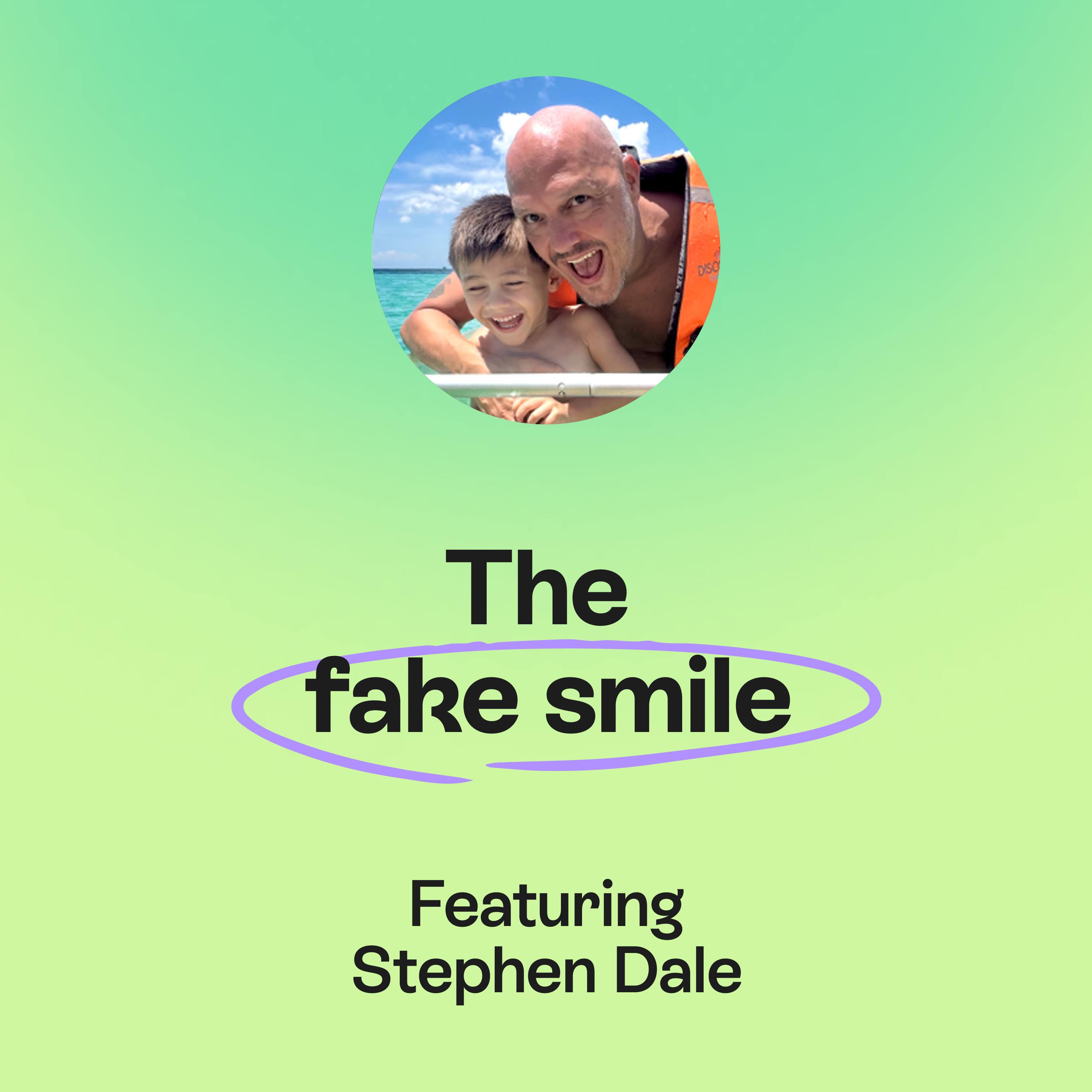
What happens when the business you're building to create greater freedom starts asking you to become someone you're not? For Stephen Dale, Founder of Vendorapp, leaving a successful international technology career meant solving a problem he'd encountered repeatedly while reclaiming control of his time and being more present with his family. In this Bee Formless™ Flow Driven CEO Conversation, we explored his transition from technical expert to founder, the realities of business growth and the connection between leadership, strategy, business and authentic personal brand. Across global financial institutions including Citi and Goldman Sachs, Stephen encountered fragmented vendor systems, overlooked contracts and costly inefficiencies. At one startup, he identified more than 500 active vendors with little clarity over who managed them. He built Vendorapp to simplify vendor risk management, compliance and audit readiness. However, building the product was only the beginning. Stephen assumed customers would arrive once he launched, then discovered an unfamiliar world of marketing, positioning and sales. Our conversation took an unexpected turn when he described replacing a joyful LinkedIn photograph with his son with a polished corporate headshot, following advice about how a founder should look. Even his smile had been adjusted with AI. “I have always been me.” I challenged Stephen to reconnect that personal story with his business. He'd created Vendorapp to help organisations cut through complexity and reclaim time, while his own decision to become a founder was driven by wanting more time with his family. Those motivations were connected, and his personality didn't need to disappear to establish commercial credibility. We also explored the financial pressure of three years building a business, his changing definition of success and his concerns about the future of technology. By the end, Stephen agreed to change his LinkedIn photograph back. THE SHAPE SHIFT IN MOTION Stephen's story reveals what becomes possible when a founder's lived experience, commercial purpose and brand are considered together. The opportunity isn't to manufacture a professional identity, but to connect who you are with the problem your business solves. LEARN: DIAGNOSE • UNDERSTAND • SUBTRACT • CHALLENGE ✨ Recognise that building a valuable product and attracting customers require different capabilities. ✨ Challenge branding formulas that disconnect founders from their own identity. UNLEARN: REIMAGINE • RESHAPE • CREATE ✨ Reimagine personal and business brand as interconnected, rather than separate exercises. ✨ Question the assumption that credibility requires looking and sounding like everyone else. RELEARN: TEST • IMPLEMENT • EMBODY ✨ Connect lived experience with a clear commercial proposition and the customers it serves. ✨ Build marketing and growth capabilities without losing your distinctive voice. ACTIVE RECOVERY: INTEGRATE • RESTORE • EVOLVE ✨ Reconnect with the...
Bee Murray, Bee Formless: Hello and welcome to the Formless Flow Driven CEO Conversations where we are shaping and shifting leadership, strategy, business and brand from the inside out and all that life throws at us amongst it all. Welcome to the show, Stephen Dale all the way from the Philippines. Stephen: Hey, thanks very much, Bee Thank you. Right, I Bee Murray, Bee Formless: No, thank you Stephen: need to... Sorry. Bee Murray, Bee Formless: was just saying, it's great to have you on the show. Thank you. You're already ready to jump into it. And I'm like, gonna ask you, was your Stephen: I am. Bee Murray, Bee Formless: weekend? Stephen: Yeah, Weekend was great. I think it was the normal, I'm the founder. There's no such thing as Weekends. I could do a couple of posts on LinkedIn about that. know, do founders really get Weekends? And it's a really good question in that I started my journey to become a founder in order to be able to have more time with my family. And over the last three years of building my app, I found that Although I have my little boy about, I have my wife about, I have my family about, I spend a lot of time in front of my computer. So I do question at the moment whether I have as much time as when I was working in a corporate. But again, the reason why I left that world is because I kind of feel as though my time wasn't mine. And one great thing that I have now is it's down to me when I want to spend time with my family and I get to choose. And that's fantastic. Bee Murray, Bee Formless: It absolutely is. And so did you get any time with your family this weekend? Did you choose time with your family? Well done. Stephen: I did. Yes, I did. think most of it's the I've got a little boy. He's six years old. So most of it is the play place. I try not to take my laptop and, you know, connect to the Wi-Fi in the cafe and work. I try to actively engage and go down the slide and play with the fun balls in the cafe. Bee Murray, Bee Formless: love it. love it. Well, I'm glad you had us some fun at the Play Plays. Sounds like a great place to play and we're gonna have quite that conversation because this is all free flowing. And I wanna say Stephen: Yeah. Bee Murray, Bee Formless: a big shout out to all the listeners out there. Thank you for continuing to support and watch the Bee Formless, Flow Driven CEO conversations. We are continuing to have really diverse conversations and it's a great chance for us all to connect and be present and... share our experiences and we need to Bee doing more of that. Not everything is shiny as much as it looks like it is and so I am embracing these conversations. So Stephen, without further ado, it's Stephen Dale, you're the founder of Vendorapp, a technology platform helping businesses simplify vendor risk management, compliance and audit readiness. You've got quite the significant career and it spans across senior technology and operational roles across global financial institutions, including Citi, Goldman Sachs and DTCC. You had an important inflection point though, Stephen, and it emerged when you recognized that the complex vendor management challenges you'd spent years navigating could be solved differently. It's always the way, isn't it? Rather than continuing to Stephen: Yeah. Bee Murray, Bee Formless: work within systems that demanded enormous time and resources, right back to you didn't have control of your time, you set out to build the technology you couldn't find yourself. And so today, Stephen, you're navigating your own revolution from technical expert and hands on problem solver to founder and business leader. It's quite the adjustment and you're learning the unfamiliar world of marketing and growth. Maybe we'll have a little bit of a... problem solving on that today, while questioning how much of your newly available time you want to give back to building rather than to your family. And it was a great acknowledgement at the start, you get to choose that. At the Stephen: Yeah. Bee Murray, Bee Formless: heart and soul of your work is a belief that technology should create more than efficiency. By simplifying complexity and freeing people from unnecessary work, it can create the space to focus on what matters both, what matters most. most both inside and beyond businesses. I can't get my words out. I just had a coffee so I'm probably all jeered up Stephen: Ha ha ha ha ha Bee Murray, Bee Formless: So tell us a bit about your journey Stephen. You decide you've had enough of corporate and you're like it's I don't have control of my time. I don't feel like I own me so to speak. I've been there too and you decide that you Stephen: Yeah. Bee Murray, Bee Formless: want to go and start your own business. You see a real tangible problem. You can't find a solution for it. Tell us a bit about that. Stephen: Yeah. Okay. Thanks for the introduction. Right. I think you did say about getting your words out. You said vendor app. Vendor app was a song that I done about vendor app, the SaaS that I've built. That is available somewhere on YouTube. I'm sure I can send you the link to that one. So look, corporate life was good to me. I managed to work. I was working in tech. I was working in tech operations. It was good to me and it allowed me to travel all over the world. I've lived in Southeast Asia. I'm currently living in Southeast Asia at the moment. I was living in Singapore for 10 plus years. I lived in Thailand for a few years. I worked in the UAE and I've worked in various places in Europe. So like you mentioned, there's some big tier one names there. There's Citibank, there's Goldman Sachs, there's Merrill Lynch, DTCC. One of the places that I did work for a couple of years was Bob Diamond's, what they classed as Bob Diamond's African Adventure. So this was the Barclays Bank CEO that left Barclays and then went to acquire seven banks in Africa. It was at Asmara. Now I was in there to do service operations. I was also given the vendor management hat, which I've said on other podcasts, it seems to be that vendor management role always seems to be the fire warden jacket. You know, it never seems to be a dedicated role in so many companies and it's just given to the person that they believe it fits or the person they believe can do a Bee Murray, Bee Formless: Ahem. Stephen: good job for it. So I had seven banks and I had to pull in all of the vendors. It was a big ask. It was a very hard task. Did I do the greatest job? I'd done a good job, but I continued to put all of those vendors in exactly the place that I'm trying to get people to take their vendors out, which was Excel, because we didn't Bee Murray, Bee Formless: Mm. Stephen: have any money to spend on it. So we just put them into the system that we're trying to get people out of. So after that, I moved on to a startup. that raised $100 plus million. They were trying to sell themselves into banks and large financial institutions. They were getting hit by the compliance card of ISO and SOC compliance. So I was given the double hat there to manage their vendors. And actually identified 500 plus vendors that this company, this small company that had not really gone to market. had 500 plus active vendors and no one had any idea who was dealing with who when contracts expired. There was people leaving the company and there was Bee Murray, Bee Formless: Yeah, right the way. Stephen: contracts coming in that was, well, you didn't cancel the contract. So therefore there's 10 grand bill you have to pay again. And that would go into the lawyers bottom pile of the thing. It was an absolute shambles. It was right during this company's what would I say, their sort of last hold, because they've kind of burnt through quite a lot of money, they were on their kind of last legs to kind of, you know, so all of a sudden, there was no money to buy a vendor management platform, there was no money to hire somebody to help me go through and kind of pull all the contracts together. So I sat down and I worked it out and I worked it out myself and I worked it out. as I should have done in the bank that I'd worked in previously. And I went really, really back to basics to the drawing board of what information is Bee Murray, Bee Formless: Congratulations! Stephen: required. how are you? And you'll probably see this behind me. This is, I think I'm on an auto focus, but this is the first schematic that I've done for VendoApp. it's crazy, like the workflows that we have to go through. And I looked and I thought, the company I was working for, had their product was kind of fintech and you know, was kind of blockchain stuff and they had to do like, sanction screening and things like that within their product. So they had a tool that I could use in order to start doing sanction screening on the vendors that they had. Everyone within the company loved that, right? So I went back to basics. I chose, so basically I was working in the UAE, my little boy is on the autism spectrum and under the health insurance that I had with the company I was working for, it did not cover his therapy. So it was costing Bee Murray, Bee Formless: Mm-hmm. Stephen: probably five or $6,000 a month. just for him Bee Murray, Bee Formless: See you Stephen: to get the treatment that he needed. Now, UAE is an expensive place. Everyone just, you know, it's this tax-free place, but rents are expensive, know, food is expensive. Bee Murray, Bee Formless: Yeah. Stephen: know, Marmite is like five times more expensive than it is in the UK. I think you'd call that Vegemite. Bee Murray, Bee Formless: Yeah, we do. Stephen: But you know, it can be really expensive. So my wife is from the Philippines. The company was being bought by... by a very big company called DTCC. So they already had Bee Murray, Bee Formless: He beat. Stephen: 300 people doing vendor management. They looked at what I had built and they went, wow, this is really impressive. It's amazing. But you know, we spend, we spend over a million dollars a year on our platform that we do our vendor management with. And we've got 300 people in Philippines that go through every piece of paperwork and still the sanctions screening and do all this and they're a very risk averse company, DTCC, Bee Murray, Bee Formless: Yeah. Stephen: and they're like a very slow moving ship. They make sure that they do things properly. And I understand that, you know, they're owned by the banks. And I looked at what I built. I was kind of being sort of, I relocated to the Philippines and it had been okayed. within the company, but obviously when GTCC come in, they said, no, you're going to have to go to the office in the Philippines or you're going to have to move back to the UAE. And this goes to the part where I say that I felt Bee Murray, Bee Formless: you started your own business. Stephen: that my time was being, Bee Murray, Bee Formless: Yeah. Stephen: I had to leave my family in the Philippines, go back to the UAE and it was happening regularly. And then I would get back there and they would say, no, you're going to have to stay for another month. know, I had Bee Murray, Bee Formless: So, to cut to the chase, you start your own business, which is Vendorapp, and Stephen: Yeah. Bee Murray, Bee Formless: you've moved from a technical expert into a business builder. What's that been like for Stephen: Yeah. Bee Murray, Bee Formless: you? What's that been like? Because when you think about leadership, strategy, business, and brand, you talk about this marketing aspect, and it's been a massive growth curve for you. Stephen: Yeah. Bee Murray, Bee Formless: going from a technical expert then into like, I'm gonna start my own business. It is all encompassing, isn't it? Cause you're a leader of your own business, you're a leader of your own destiny, Stephen: Yeah. Bee Murray, Bee Formless: you're a leader of your family, shit, Stephen: Yeah. Bee Murray, Bee Formless: everything sits on your shoulders. You've got to be strategic. You've got to set the business up so for it to grow, for it to scale. And then you've got this brand piece and it's your personal brand as well as your business brand, right? What's that Stephen: Yeah. Bee Murray, Bee Formless: been like for you in terms of that transition? Stephen: I would say that it's been... I've just got on and you just have to do it right now. Initially when I went into it, everything was around how the app worked. You know, these documents would be done and then you'd screw it up and you'd do it again. And you had so much concentration and you know, I got paid out from the company I was in so I could support myself for, you know, period of time. And you look and you think once I've built it, you just assume that people are going to buy it. that's it. You just go along and get a bike because I've worked in tech all my life. I'm so blinkered that I didn't realize that there's this whole other industry called marketing and sales and everything else that goes with it. I, right, we've launched the product. Launched the product, yeah. Where were the customers, right? I assumed that we'd be buying a brand new Land Cruiser, you know, literally the minute we launched and it didn't happen. And I had to do... exactly the same for the marketing as I've done for starting the business and building this app. And for the last five or six months, I've really been concentrating on exactly that, building the brand. I didn't realize that just having, using a different font. size on one marketing thing versus a different market can make a massive difference. And you know, this is stuff that I just didn't think of before. So I realized now that I have to have a fake smile in my LinkedIn profile, I have to have a funny color in the background. you know, I, I've always Bee Murray, Bee Formless: Is it a fake smile, Stephen? Is it a fake smile? I don't think you could actually have a fake smile. you seem like a smiley kind of a person. Stephen: The lady, I have a group of people on WhatsApp, right? You're going to be in this group in no time, by the way, right? There's a group on WhatsApp, but all people that have gone down the same journey that I've been down, they're either co-founders or they're single founders, which obviously happens a lot more now. One of them is an expert in LinkedIn. And she's gone down this journey and she really helps me with my LinkedIn posts. You you've got to never put a link in the actual, you know, in your post. Bee Murray, Bee Formless: Yeah, I just went that. Stephen: Yeah, exactly. There's all these kind of things. And it's great to have this group because we share so much. Now, I've got to the point where we do have some customers. We're converting those people to paid customers as we speak. There's a lot of European bureaucracy that's coming out with certain legislations that a vendor app actually solves. So we're looking at an up pace from there. my biggest concern at the moment is marketing seems to be its own world over here. And the problem is that there's so many people that are experts in marketing, but marketing is changing. And I feel that even some of those experts actually don't know where marketing is going with AI. And I'm trying to understand it. I'm trying to learn it. There's a completely saturated startup world at the moment. Everyone with AI believes that they can build the next unicorn or billion dollar company. I'm in exactly the same boat as so many other founders that have got Bee Murray, Bee Formless: Hmm. Stephen: something really great. They've spent time, they're proud of it, they've launched it at the right time, but they are just hitting that. marketing problem. I think there's so many people that are in that same boat. Bee Murray, Bee Formless: Like you talk about that and it's an interesting one, right? Because I do think that the landscape is changing and hence why I call out this leadership strategy business and brand because I think what happens quite often is in my background's advertising and communications is we look at marketing or brand in isolation of everything else, right? So if I think about you in terms of you've got your own personal brand of Stephen, you've also got the business brand. And so for me, it's put... we've got to put the two together. Stephen: Yeah. Bee Murray, Bee Formless: And so then how does it all come together? Whereas quite often we look at everything, like you think about there's businesses that work on your personal brand with you, there's marketing businesses that just work on the marketing side of things with you. Whereas I look at it with four lenses in terms of how does it all work together? How does it all interconnect? And... know, spray and pray thing. That doesn't work anymore either in terms of it's like, where are you best position, where are you best, what I'm trying to say is where, like you, everyone has a distinct personality or a distinct style. So what channels best bring your business and your brand to life, for example, whereas, what we've always been told is you need to be on this channel, this channel, this channel, and this channel. Whereas I'm kind of going, well, if Stephen's got this personality about himself and then his business, how do we put the two together? And where is he best going to be positioned Stephen: Yeah. Bee Murray, Bee Formless: to attract the customers that he needs to attract? And Stephen: Yeah. Bee Murray, Bee Formless: I think that's the gap and the opportunity, if that makes sense, versus... You need to be across this, this, this, this, this, and this. And it's funny when you call it out the fake smile because I'm like, you should never have to fake fake. You should never have to fake smile. You should Stephen: I was about to come back to that! Bee Murray, Bee Formless: never have to fake smile. should like, sure. Stephen: Yeah. Bee Murray, Bee Formless: There's times where we have to be more polished than other times, but you should never have to fake smile. You should just be able to go, I am Stephen. This is what I do. This is Vendo rap, for example, you know? Stephen: Yeah. I love that. I absolutely love that. I have always been me, right? And I think as I grew up, I found it actually quite challenging to be me because I was different. And you know, when you're Bee Murray, Bee Formless: Yeah. Stephen: younger, that actually causes its own problems anyway, you feel that kind of nervousness and that anxiety and things. And I think as I got older, I don't give a shit about it anymore. And I actually really Look, and I think this is the whole world we live in, right? I really enjoy the fact that I do see things differently. I didn't go to school. I didn't finish school. was expelled from all of them. I was a naughty kid, right? But I didn't get... You can imagine what I mean. Bee Murray, Bee Formless: I can imagine you being a naughty kid. Stephen: But you look at my boy, he's completely different, But I haven't been controlled. My mind hasn't been controlled for education to think a certain way. I think how I think and I am me and I've always been me. And people, I've met people that are actually a lot more conservative than I am, that have said to me, I'm so glad I met you because I've started to be a little bit more like you now and I'm happy about it, right? Because I'm not sort of sitting there going, I'm not gonna do this, I'm not gonna, okay, I'm gonna question and I'm gonna answer and I'm not gonna let people walk over me, right? Bee Murray, Bee Formless: Yeah. Stephen: And I need to tone it down a little bit, but other people need to kind of put it up and get more. So. I think the world that we live in now is so much more acceptable to different types of people. know, when I was a kid, it was like the different kids would get bullied. Whereas now I feel that the different kid is like the kid that will get supported and is more individual and therefore likes more. Do you understand? So I look and I've run so much through AI like everybody has, right, about my personal brand and saying, look, you know, when I first was marketing vendor app. I put all my posts on vendor app, and then I'd like them myself and then I'd share them on my own personal profile. know, lady from LinkedIn, she said, no, don't do that. It's about your personal brand. Do it the other way around. Okay, I do it the other way around. So I feed into AI and go, look, I want to take a picture because you know, this person that I know, this founder, she's told me that my profile picture, which was the happiest picture in the world, which was a picture of my little boy and me on a canoe. in the Philippines, beautiful background, smiling, happy, and he went, yeah, no, you shouldn't really use that because it's not really good for a corporate thing. And I'm Santa Claude, fuck off. This is my kid. This is, this shows the type of person I am. I'm happy. I'm family-oriented. Bee Murray, Bee Formless: Did you change it? Stephen: Yeah. And it said, then I went through all of my photos in my album. got, I got a six-year-old. I've got millions of photos, right? So I'm scrolling through, I'm scrolling through, there's one of me on my own, because I don't want to cut the kid out of it, right? So there's a picture of me on my own. And I go, yeah, but I don't have a smile on that. Yeah, just don't like the angle, my crow's feet. But I find one, and then I go, right, okay, can you get rid of the background, and just make it a plain black? And it goes to the air, but you know what? Your smile's too big. And I'm like, what? And it's like, no, you really got to kind of... God, that miserable smog. I don't know! Bee Murray, Bee Formless: So what did you do? Have you changed or have you kept your in the picture? I can't remember, I had a look earlier. Stephen: I actually done a LinkedIn post, if you look back at some of my posts, I done a LinkedIn post about it, about I put the previous picture with my son in the sunshine, happy, know, beautiful, so much color in it, to, you know, the one that I now have, which is, you know, blue background, me in a suit, you know, which was borrowed from the next guy who's done an AI. Bee Murray, Bee Formless: Can we shape and shift this? Can I dare you to change Stephen: Yay! Bee Murray, Bee Formless: it back to your original picture? Stephen: I'm going to have the startup lady that's going to be messaging me as soon as that. Bee Murray, Bee Formless: Yeah, I know. However, we're trying to all fit into this mold of who we're meant to be. Then when like, okay, so let's just let's just kind of work this on the spot, right? What is your elevator pitch for Vendorapp? Like what are you like when you pitching to somebody or someone asks you what do you do? What do you say? Like what's your business? Stephen: Well, the most important thing is the story, the backstory that I told you, right? The Bee Murray, Bee Formless: Yeah. Stephen: backstory is the most important thing in my life is my family. That's it. My child, I have one child, I have one child. And he is the most important thing in my world, right? I Bee Murray, Bee Formless: So can you, yeah, so Stephen, can you not see how this is not connected to your business though, in terms of your lived experience and losing, not feeling like you owned your time? And if I think about, I'm kind of problem solving this with you right now, if I think about Vendorapp and what the story you've told me is, you saw in all the different companies you worked with. there was two things going on, was two problems. One was it was a disconnected system in terms of there were that many vendors, no one knew how many vendors there was, it was costing too much money, there was no clarity. You were like, there's a way to optimize, make this more efficient and be super crystal clear on who all the vendors are. You found a solution Stephen: Yeah. Bee Murray, Bee Formless: for it, you got back to basics with it. And the second problem you had was that, We found a solution to that because no one else was doing it. And then the second part was that you were like, my time is not my own time and I'm being detracted from my family and my son Stephen: Yep. Bee Murray, Bee Formless: and my wife. And so I'm going to take my time back. So in terms of your story for Vendo Rap, absolutely. It's like we can talk about this separately, but your elevator pitch is really, is really simple, you know, like in terms of around efficiency, getting your time back. and Stephen: Do you not need to look then at the ICP? Because reality is, look, my ICP could be anyone that has a company, right? Everyone deals with vendors. I mean, even you as an individual, you've got Netflix subscription, you've got a pass, you've got car insurance, you've got car maintenance, you've got everyone's got things that run out on a certain day. You've got contracts with everyone, we all have. But specifically, you probably don't need to do a sanction check on Netflix or your... Bee Murray, Bee Formless: No. Stephen: home insurance provider, right? So let's take companies that do, of course, there's billion dollar companies, multi-billion dollar companies, you know, that have all the security certifications and everything that they need. But then you get all of the other companies. Did you know that the Health, was it the Health Board in New Zealand? They were running over one billion New Zealand dollars on a spreadsheet, their vendor management on a spreadsheet, all of their vendor management. Yeah, I suppose it is. Bee Murray, Bee Formless: the efficiency pace that's the efficiency yes unique Stephen: But what is my ICP? because the thing is, is some people, my ICP, and I don't want say this because my ICP, they're all like great, great high. They're the great finance guy. You get it, Yeah, you Bee Murray, Bee Formless: Procurement. Procurement. Stephen: get it, right? They don't want to see some bloke that, yeah, they have kids and their most important asset in their whole world is their kids and their family because That for the majority of people on this planet, that is their love and their want. But some people don't show that like I do or like you do, right? Like you're, some people are a lot more conservative, some people are lot more like introverted rather, right? Or don't share those things. They don't want to see a happy dad on a canoe with his son, right? They want to see a guy that's with a great tie on. Maybe with a colored background, just to look a bit happier. But do understand? there's that kind of, I mean, get that the world has changed. know, gone is the day that we all go to work in ties, right? Now it's we go to work, know, Mark Zuckerberg was like the leader of the, you know, the guy with the hoodie, you know, the billionaire with the hoodie, you know, the tech guy. The world has changed, but I think there are still some, there's still some kind of line on business versus pleasure. Do you get what I'm saying? Or maybe Bee Murray, Bee Formless: Yeah, but... Stephen: there still has to be, and maybe it's correct instead of all of us going, well, I'll just go to bed, I'll just go to work in my pajamas. You know, is that gonna be the next thing? Bee Murray, Bee Formless: Yeah, no, think it's, I think it's, I think it's that's the dance between personal brand and your story and the business. So you have a story around your background Stephen: Yeah. Bee Murray, Bee Formless: and what got you to create your business. You can still talk business and like you can still like play that. And of course, like when it comes to your ICP and attracting the right ICP, there's no harm though in having a bit of your own personality. I mean, I could talk about this forever because you... Otherwise we're all just gonna end up the same. We're all gonna be the same. AI's making us all generic. So this is where the opportunity is. Stephen, he looks like a really friendly person. He can also really help me with my business in terms of efficiency from time, money, connecting all the dots together, for example. I just think that that's kind of where I see it. However, each, everyone has a different, different perspective. What I'd hate to see in the world though is that we all, we all have a fake smile and we're all just like this. Stephen: We've all got exactly the same suit on for every LinkedIn picture. mean, the other guy, the other guy that Bee Murray, Bee Formless: Totally! So just adding a bit of color! Stephen: was at the group, but also has an excellent startup, right? He does like a time management for dentists, right? Absolutely brilliant app. I've gone through his app. It's absolutely brilliant. And we both, because we're in the group and we speak to this same lady about the marketing, like the LinkedIn stuff. And we both literally have exactly the same profile, different face, same jacket, same white shirt. And I know the comment and said, like when he said, said, we look like a right couple. And I said, yeah, we do. So to answer your question, yes, I am going to change my profile picture back because I am going to, because I, well, firstly, Bee Murray, Bee Formless: Yeah! I'm excited! We're gonna do it today! Stephen: because I'm going to get a shed load of blood linked in for viewers now, right? I mean, that's one thing, but. I actually hate every time I go licked in, just see that kind of I'm sure that Claude with it in his ultimate wisdom, right, has like, I'm not kind of, if I smile, there's still little bits that kind of just go down. It's just me, it's just my face, right, is what it is. mean, I wouldn't change it, I'm happy with it. But Claude has kind of like pulled them little bits at the end up. I mean, I'm okay with it, maybe my teeth a bit whiter, but. Bee Murray, Bee Formless: Yeah, so there you go. Even Mally Bob's excited to just come in the room to say, go Stephen, get your personal brand, get back to who your authentic self is. Stephen: Yeah, I'm gonna do it. Are you wearing your purple glasses? are they green glasses that you usually wear? Bee Murray, Bee Formless: No, they're purple. I've got my purple ones on today. They're a different pair. So Stephen, just on that, we've been talking for nearly 30 minutes already. What do you think? I've got Stephen: Bye. Bee Murray, Bee Formless: a couple of other questions for you. Love that you're gonna change. And for all the listeners out there, I think this conversation is really pertinent right now. You need to be your true authentic self. And if you're not feeling like you can be, I'd love you to really think about, well, if you go onto a channel where you've got a picture of yourself and you don't feel like it's you from the inside out, do what Stephen's doing. know, like Stephen's story is he started the business because of his family situation, as well as you found a problem in the market that no one was cracking. So there's two parts to this. And so this is why I feel like Pestle brand and business brand interconnected together are so important. I'm not suggesting you go and just do silly things. What I'm saying is the more we can interconnect, the more we can be our true selves. And this is where you flourish and you feel confident and off you go and you attract the customers you attract. What would you say though, Stephen, is the marketing aside, what would you say is the best bit? and the toughest beat of being a founder. Stephen: Okay, I think first of all, answering the question that you said, right, which was about being about, know, putting your picture on that you're not happy with versus where you go in and think, right, look, look at this podcast. It's a perfect example, right? I could have come in and caught on and Claude Claude said, right, just Don't smile, only smile three times in the whole thing. Yeah, when you, when she asks, always repeat her question back to her and then, then answer it, but don't go off to, nah, fuck that. I am what I am, right? It is exactly, I hope I've demonstrated who I am. And I feel that I kind of can't switch that off anyway. That, that is me. This is 100 % me. I think you'll find at the beginning of the meeting, I was a bit more kind of like, waiting to get into the run of things. what... Bee Murray, Bee Formless: Yeah you were and I was laughing because I'm going to put the pause breaks on because he's ready, he's got his story, he's got his like this is what you need to say and this is how you need to behave and I'm like nah I'm not letting you. Stephen: Yeah. I'm shocked because I come down as I said to you before we started, it was like, I don't want to say this because I think people think I'm irresponsible. But I come down after just being in the garden, you know, with my little boy in a a tire in a tub in a little bath in the garden. And I come downstairs, I plug my laptop in, I was like, three minutes, I've got a call, I got my call, repeat, three minutes. Right. what's been the most enjoyable part of of this, it's building something. I have learned more in the last three years than I have in the other very long amount of years that I've been alive. I have learned about so many things. I mean, like the Stripe integration. Usually if I was working in a company, I'd be like someone else's job, they can deal with it. I've had to deal with this, I've had to deal with that. I've learned, like, you know, products that I never would have used previously, like Figman. some of these things that I'm starting to get quite good and starting to get a bit better at coding, like even the infrastructure, like the backend stuff. I mean, don't get me wrong, of course, AI helps. Bee Murray, Bee Formless: Yeah. Stephen: But I think, and I feel also that I have become so confident in what I've built that I feel as though I can just come on and be as natural as I can be. don't have to, I'm not sitting there trying to make it up or anything. I can speak, like you said, know, forever on this, right? I really could. What is the hardest bit? also, no, positive. I'm going to put this into positive because I kind of definitely am kind of optimistic, right? I think I have not earned any money for three years, close to three years. I got a young family. I like expensive things like everybody. But over the last few months, I have really had to put the brakes on things. I think when I first sort of was building the app, it'd like, right, go back to London, business class, yeah, we'll do that, know, da, da, da, da. Now we're not even going anywhere. Now we're not going anywhere. Now it's like almost like, you know, and I think that has really helped me realize that none of this is about money, number one. Yeah, it helps, but it's... Yeah, it's made me realize that there's so much more to life than just working for money and doing this, being about my family. So I do look at that as a positive part. Negative. I worry that AI is coming to take everybody's job. I worry about it. I mean, know that it's not and Bee Murray, Bee Formless: Yeah. Stephen: when we look and we said, know, electric cars will take over the world by now. When I was a kid, the milk flow was electric, even back then, right? I mean, come on. So the negative part is I worry. I try not to. I still sleep at night. but I do worry. about the longevity of apps. But I think it's worth understanding that we're on this wave of a new era. And I think as long as you've got your board out, you should be able to ride the wave. Yeah, I don't really know. I think everybody Bee Murray, Bee Formless: Yeah, you've just answered your own worry. Stephen: has that feeling. I know that some of the big banks are some of the big banks that are more conservative. you know, not trying to lead the way in AI or anything, but they're starting to lay people off. And that does worry me because when that starts to happen to the conservative places and it's not like they're just moving into a cheaper location, they're actually saying that these jobs are actually, they don't exist anymore. So that Bee Murray, Bee Formless: Yeah. Yeah. Stephen: worries me. Of course it does. But it worries me for my boy more than it worries me for me. Bee Murray, Bee Formless: But however, like, and to wrap it up, in terms of Vendorapp, you're solving, you need human judgment, you need human, like, AI can spot all the patterns, right? However, what you've, you're almost like, I consider myself, is you're like a human LLM in terms of AI still operating in a way where it's like, it doesn't necessarily put all the pieces of the puzzle together in a way like a human does. They don't think like a human, they don't, Stephen: Yeah. Bee Murray, Bee Formless: sure it's getting more and more. I feel like that there is opportunity because there is more and more disconnection becoming visible in terms of, and so your ability to go into businesses with Vendorapp and Bee able to say to them and, and what with your app and consolidate all the potential confusion. And I don't think the human and the AI yet is fully integrated as such. Stephen: Yeah. Bee Murray, Bee Formless: Therein lies your opportunity. You're just. You're just on the cusp of the new era. that's kind of for you. That's why you need to get that smile, that picture updated, get the brand story bang and then off you go. Like Stephen: Yeah. Bee Murray, Bee Formless: it's three years in, like I'm three years in and it can be a tipping point that you either go, do I keep doing what I'm doing? Sure, there's Stephen: Yeah. Bee Murray, Bee Formless: times when you need to be more... strategic and pivot and hence why I look at the four lenses again of leadership, strategy, business and brand because they're all connected. And if you would go right back to the start of this conversation when you were saying marketing sits over here and I'm not necessarily sure if, we're talking about the same thing here. So there's huge opportunities. Stephen: Yeah. Bee Murray, Bee Formless: I'm quite a optimistic person as well, but as a founder, there's times where you're just like, my God, do you know what I mean? Stephen: Yeah, of course. This is really important, right? Because there's so many more of us out there now, know, like gone are the days where, you know, you went and worked at the post office for 40 years and then you retire like your parents would or whatever, Bee Murray, Bee Formless: Yes, yes, yes. Stephen: right? Like, there's no such thing as a job for life now. And people know that, right? So I know differently than you, I'm a human being. And at some point, we question ourselves and we go, am I seriously going through and am I doing this right? Am I doing this right, you know? Like, what am I doing, right? There's a documentary, I can't remember the name of it, but for anyone that wants to, because there's going to be a lot more people in our situation. Sylvester Stallone, when he first started, so go out to Google, search it, basically he was homeless in New York or in California and blah, blah. And he wrote the Rocky script. And he said, you know, like, got... offered like he got turned down so many times and it was so hard, so hard and eventually someone said, the rocket script, that's quite good. I will offer you 20 grand for it. And he went, no, because it's a refuse. I know it's not on the easy, but he speaks that kind of way. And he said, yeah, look, look, right. And for Bee Murray, Bee Formless: I love Rocky Balboa. Stephen: the younger startup people will explain who he is in a minute. But so Yeah, he told me, and he went to some places and they said, yeah, go on, we'll buy the script, 20 grand. And I think he got it out to 200,000, which back in the 80s was like a shedload Bee Murray, Bee Formless: Yeah. Yeah. Stephen: of money. And it was like, well, why didn't you sell it then? And he went, no, he said, because I'd gone through so much pain doubting myself and going through all of this. He said, I was going to star in it. He said, so you buy it and I star in it. And eventually he did. And it's what built his career. That whole Rocky film was his career. It really is a case of don't give up, right? I look at it and I go, okay, I've got this far. I'm not going to turn back now. I've got to see this through. Bee Murray, Bee Formless: No, totally. Stephen: I've got to see this through. But remember, mine is not and it never has been me trying to build a unicorn. I'm not trying to build something that Bee Murray, Bee Formless: No. No. Stephen: I'm on the front cover of the Times Magazine, with a G-Wagon and a lion, you know, I'm not trying to prove that point. I saw a problem. I've done what naturally comes, what comes naturally to me, which is to sit down and understand that problem and solve the problem, right? That was really what I wanted to do and I solved it. And someone said, you should make that an app. And I went, all right, and I did. And I've learned all in things about how to put it together Bee Murray, Bee Formless: I love it. Stephen: and I've done it. And all I want is to be able, this goes back to the beginning of this story and the whole pitch deck, which is. I just want to be able to live my life how I want to live my life, which is to be with my family, to watch my boy grow up and not be a remote dad having to be in a different country because someone else wants my time Bee Murray, Bee Formless: No. Yeah. Stephen: and for me to make my own decisions. That's it. don't need to have a, Bee Murray, Bee Formless: I love it. Stephen: you know, brand new Land Cruiser every two years. I don't need to have the billion dollar house. I'm not interested in that. I want to be able to be comfortable. Obviously my boy is on the spectrum, so I want to. try and build a little bit more for him because he's an only child as well. But literally, Bee Murray, Bee Formless: Yeah. Stephen: that's it. That's all I'm trying to achieve. And I look and I Bee Murray, Bee Formless: Incredible. Stephen: go, the money that some people are raking in on a month, how hard can it be? How hard can it be? It's hard. We know it's hard. Yeah. Bee Murray, Bee Formless: Yeah, totally, I agree. Such a great conversation, Stephen, my goodness, we could keep talking. I am going to let you get back to the rest of your day though, and go and change that LinkedIn picture, and then I can't wait, and if you want me to talk to your LinkedIn person in the group, I'm happy to. I'm happy to have a little conversation. Yeah, you can get me in the Stephen: Yes, we're going to get you in that group. Yeah. Bee Murray, Bee Formless: group and I can have the conversation as well. How do we find out more about you? How do we find out more about Vendorapp? Stephen: Okay, Stephen Dale, Vendor App, you can put me into AI. You can just put into AI, tell me about Stephen Dale from Vendor App. I'm on LinkedIn. If you really want, you can look up the Vendor App rap. That's me ad-libbing rap song about Vendor App. Everything in that rap is true. Other than that, I'm Bee Murray, Bee Formless: Love it. Stephen: sure you'll put a link in the... Bee Murray, Bee Formless: Don't you worry, I've got it all here. I've got it all here. Stephen, thank you so much for your time. Absolutely loved Stephen: Happy days. Thanks, B. Bee Murray, Bee Formless: this conversation. Have a wonderful week ahead. Take care. Thank you. Thanks. Stephen: You too. Yeah, take care. Cheers mate. Bye bye.