
Asia Centric by Bloomberg Intelligence · Bloomberg
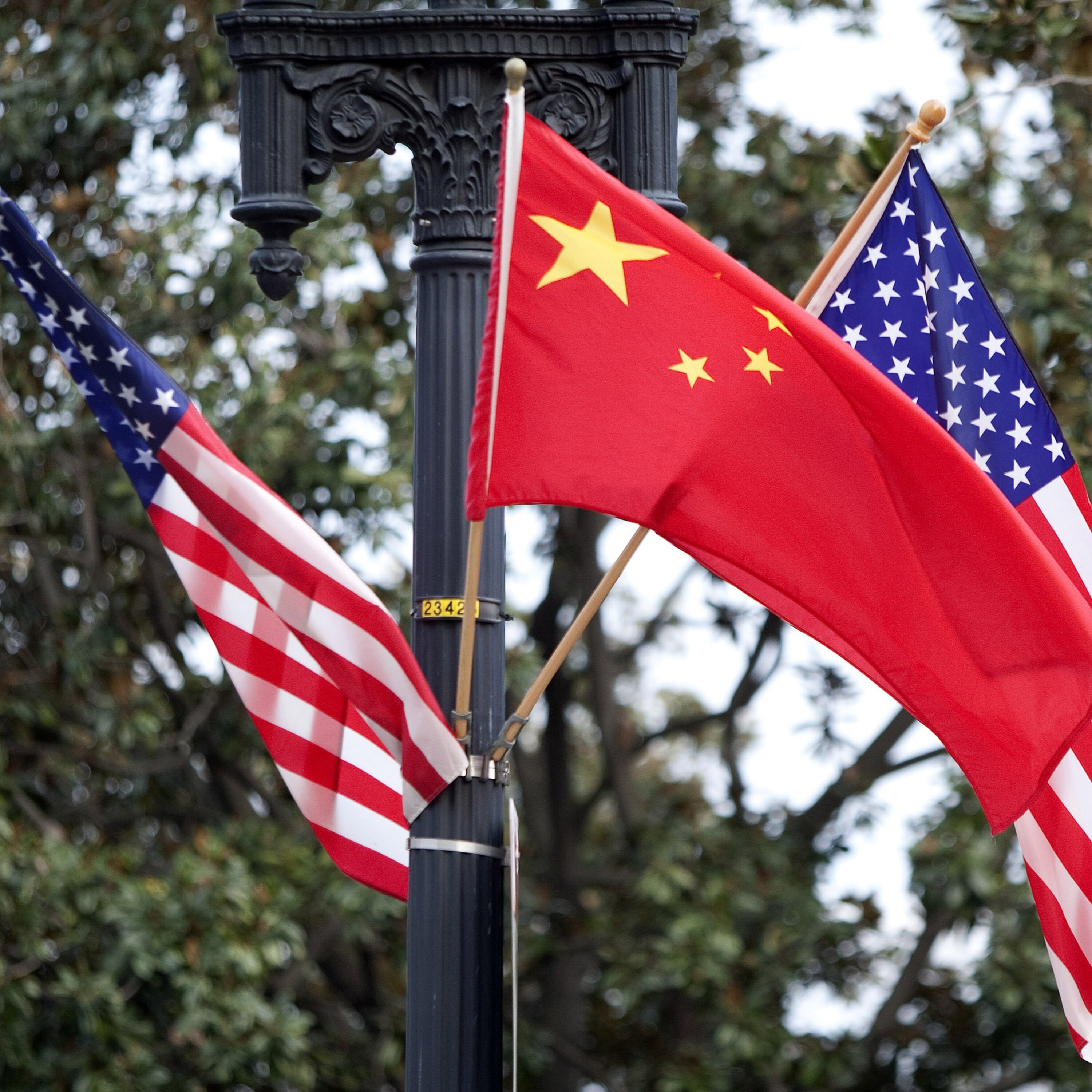
The global economy is structurally shifting from G7 dominance toward a G2 dynamic led by the US and China, yet international investors continue to shun Chinese risk assets. Even as China dominates global manufacturing output and expands its trade surplus toward $1.2 trillion, global capital remains heavily allocated toward developed markets. Are markets mispricing China's role in this new order? Bin Gao, CEO and co-CIO of Kaifeng Investment Management Hong Kong, joins John Lee on the Asia Centric podcast to unpack the G2 shift. Gao draws parallels to Japan's 1970s export boom, presenting a contrarian case for yuan appreciation while warning of an overvalued bubble in Japanese consumer stocks.
0:00Speaker 1For decades, the global financial and economic order was anchored
0:05Speaker 1by the Group of Seven or G7 nations. But the
0:08Speaker 1world is structurally shifting towards a G2 dynamic dominated by
0:12Speaker 1the US and China, a transition that remains surprisingly underappreciated
0:17Speaker 1by global markets. Even as these two superpowers dictate global
0:21Speaker 1macro dynamics, investors continue to shun Chinese risk assets, staying
0:27Speaker 1heavily allocated towards developed markets while China's economy remains stuck
0:31Speaker 1in low gear. So what does this G2 dynamic actually
0:35Speaker 1mean for global asset allocation? How will diverging interest rate
0:39Speaker 1outlooks in the US and China shape future capital flows?
0:43Speaker 1And what will it take to trigger a broader rotation
0:46Speaker 1from developed to emerging markets? You're listening to Asia Centric
0:50Speaker 1from Bloomberg Intelligence. I'm John Lee in Hong Kong. Joining
0:53Speaker 1us today to unpack these big picture macro themes is
0:57Speaker 1Bin Gao. Chief Executive Officer and Co-CIO of Kaifeng Investment