
Analyzing Trends · scenarioDNA
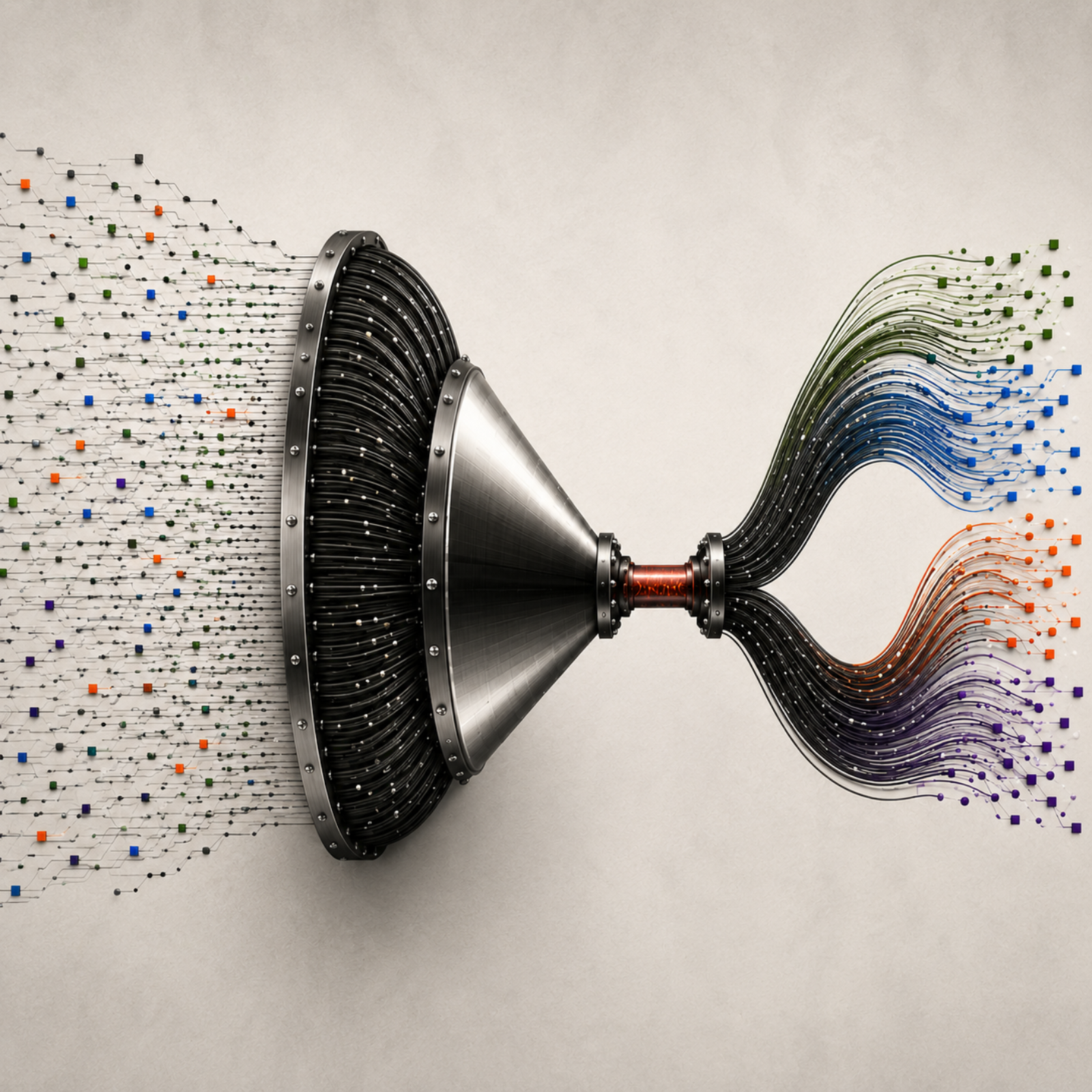
Lately it feels like every organization has built a bigger pair of binoculars. There are dashboards for everything, weekly drops of “emerging signals,” and now AI sitting on top of it all, stitching neat summaries of what is supposed to be happening next. But in the rooms where decisions get made, the conversations still stall in the same place: everyone can point to the spike, nobody agrees on what it means. We keep upgrading the signal machine while leaving the thinking machine more or less where it was.That tension sits at the heart of our new book Story Systems and Cultural Research. If machines are going to handle more of the scanning and clustering, then foresight has to mature on the interpretation side: how we read contested words, map the stories people are rehearsing, and see the codes that make new behaviors feel allowed. It quietly changes the procurement question for organizations. It is no longer only “Which tool listens best?” but “What kinds of meaning-making are our tools smuggling in by default, and what kind of cultural reading practice do we want to build on top of them?”
0:09Let us start today in the sterile glow of a corporate
0:13war room. Picture a leadership team huddled around
0:16a massive, beautifully rendered real -time dashboard.
0:20There are sentiment line charts spiking in green,
0:23geo -tagged keyword clouds pulsing with activity,
0:27and automated AI summaries updating every 30
0:30seconds. On paper, it is an absolute marvel of
0:33modern engineering. They have built what I call
0:36the signal machine. Yet if you look closely at
0:39the executives in that room, there is this quiet,
0:43systemic panic. They are drowning in data, but
0:47they are utterly starved for meaning. It is what
0:50the IDC in 2024 pointed out in a mind -boggling
0:54statistic. We have created 5 .3 times more data
0:59in just the last three years than we did in the