
Analyzing Trends · scenarioDNA
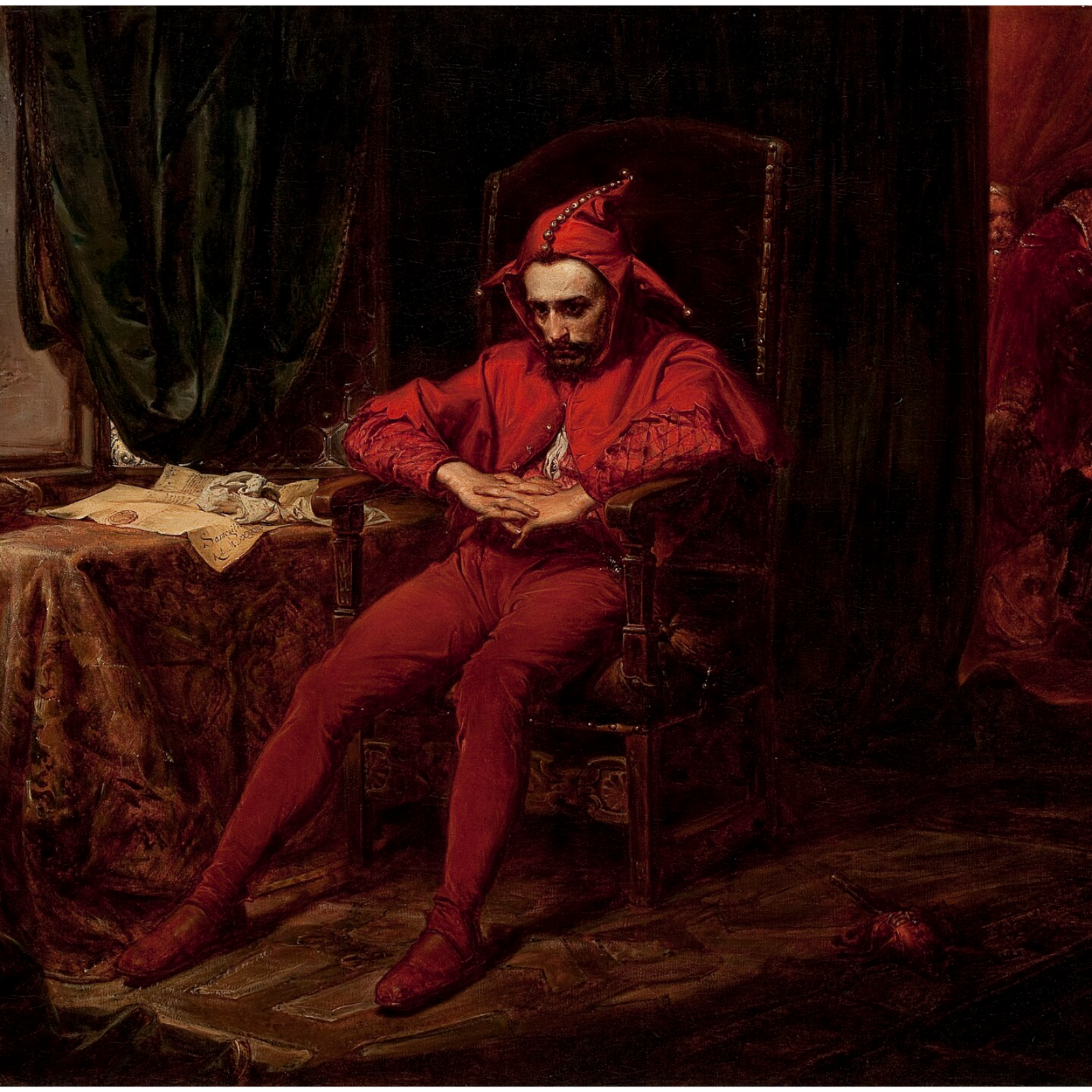
We are living through a moment when “it was just a joke” has become a default way of speaking about serious things, from AI and product launches to corporate apologies and national policy. The old figure of the jester, who once used humor to tell hard truths to power, has been inverted: power now borrows the jester’s stance to float disruptive ideas, test public tolerance, and retreat into irony when challenged. At the same time, ordinary people rely on jokes and memes to cope with systems they no longer trust, turning contradictions into content that is instantly recognized but rarely resolved. The result is not a shortage of insight, but an inability to hold any single insight long enough for it to change how we act, leaving innovation, governance, and public discourse suspended in a loop of continuous exposure without commitment.
0:09We've built quite a little vocabulary for the
0:12sensation of not trusting what's right in front
0:15of us. Gaslighting, ghosting, ghostlighting.
0:19Different terms, same queasy feeling. I saw something,
0:23I heard something, I felt the meaning of it land.
0:27And then somehow it all gets denied, withdrawn
0:31or softened after the fact. And increasingly
0:36the smallest, Slipperiest version of that is
0:39just five words. It was just a joke. That matters
0:45because Jester's Privilege is not actually about
0:48comedy. It's about structure. Historically, it
0:52named a way truth could travel when it couldn't
0:56be spoken directly. Now it names the escape hatch.
1:01Someone says something revealing or cruel or
1:05oddly honest. and before accountability can attach,