
Analyzing Trends · scenarioDNA
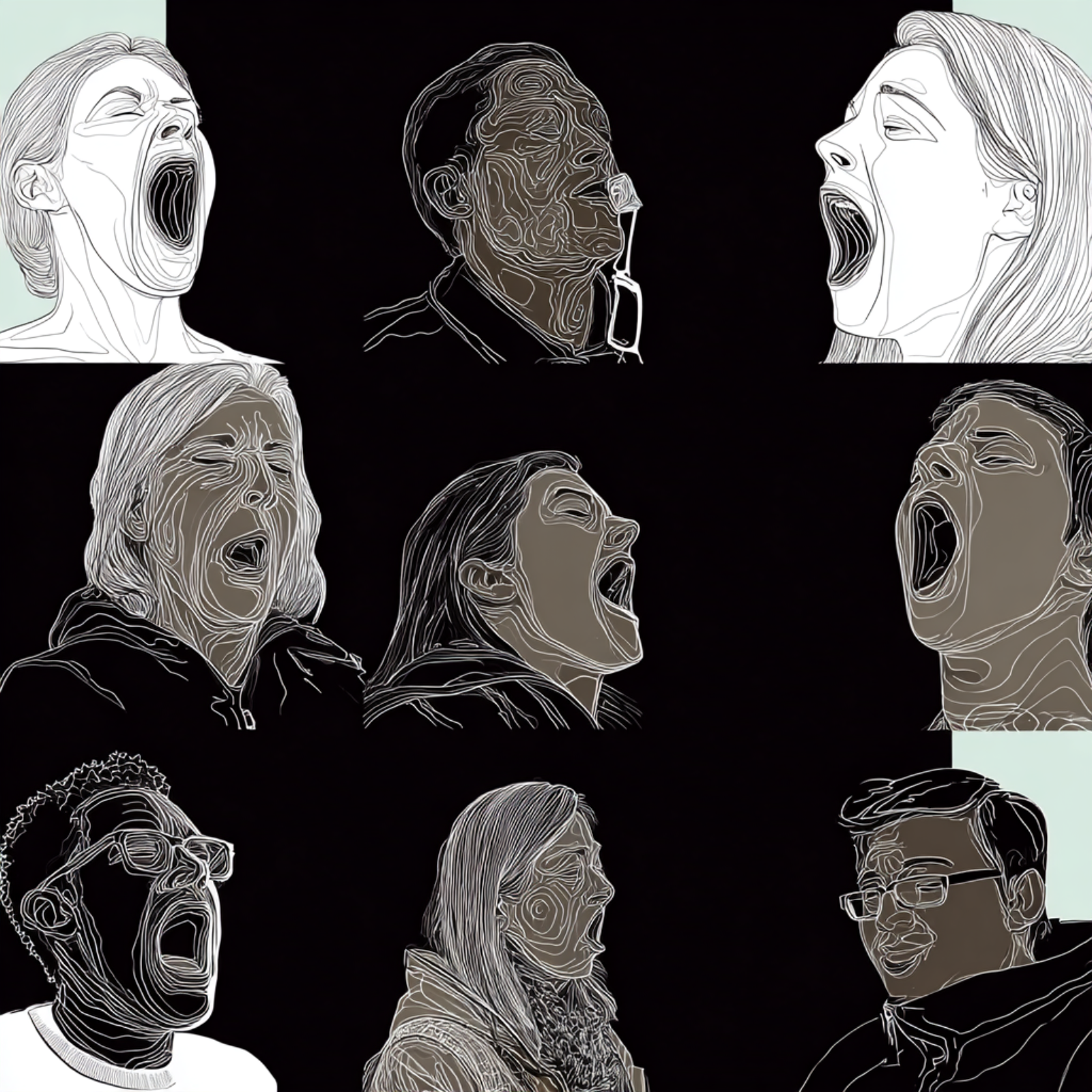
Most of what we call “looking ahead” is really a mirror turned back on ourselves. Companies hire experts, build models, deploy AI to forecast markets and manage risk, but beneath the charts sit unspoken stories about who matters, who is expendable, and what “progress” is supposed to look like. In a time of conspiratorial thinking, wounded publics, and machine generated predictions, those stories harden into priors that shape what leaders even recognise as plausible. Machines don’t yawn. We do. The danger is not that we use probability, but that we mistake it for something neutral, disembodied, and somehow above culture. The work now is to treat intelligence systems as fast instruments for laying out the pieces, while we relearn how to see, question, and rearrange them together as humans who still yawn, hesitate, and change our minds.
0:09In my classes and workshops I use a small test
0:12for how people read the future. I ask whether
0:15you feel more utopian or more dystopian. People
0:18usually answer as if they are describing tomorrow.
0:21They are not. They are describing what they have
0:23lived through, their rent, their trust in institutions,
0:27the last election, the last layoff, the last
0:30painful betrayal. That is the first thing I want
0:33you to hold as you listen. When we talk about
0:37the future, We are mostly talking about our history.
0:40What has gone well? What has gone wrong? What
0:44hurt? What healed? The past sits in the room
0:49before any forecasts or models do. It bends what
0:53feels possible. It narrows what feels worth imagining.
0:57No forecast is neutral. That is the first awkward