
Analyzing Trends · scenarioDNA
Some of the most telling cultural warning signs do not look important at first. They arrive as spectacle, strange subcultures, compulsive self-performance, borrowed symbols, or people clearly pushing themselves too far. Then they get waved off as fringe behavior, filed under internet weirdness, or reduced to one damaged person making bad choices. But these moments are often not random at all. They are small exposures of a bigger pattern taking shape. That is why narrative systems matter. They let you see how scattered signals connect, how isolated incidents point to shared pressures, and how culture quietly shifts what it rewards, glamorizes, and excuses. Too often we label these moments too fast and dismiss them as anomalies. What we should be asking instead is what they are signaling repeatedly, and what kind of social reality they are helping to build. That is where deeper care and earlier intervention become possible.
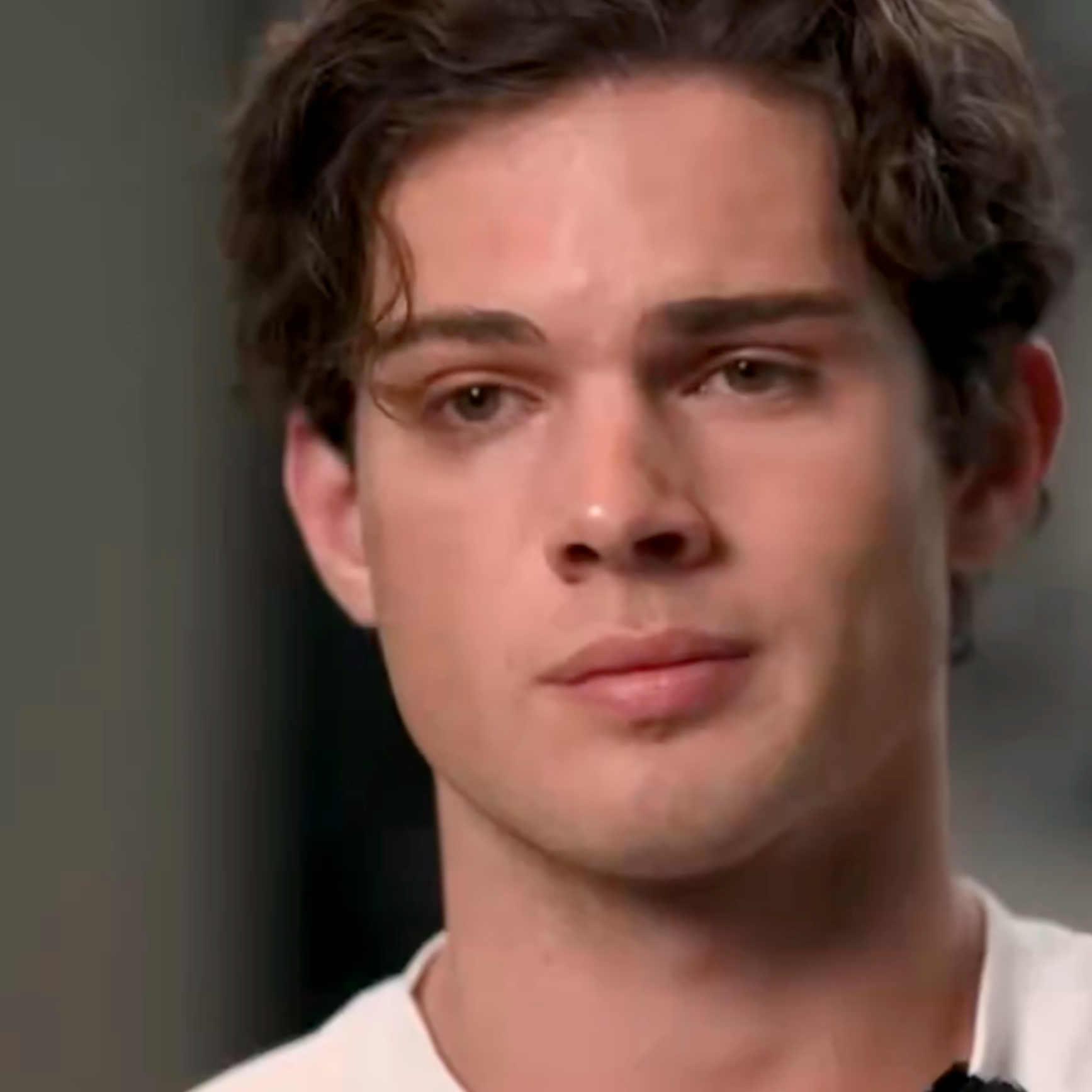
0:09Picture a young man in Miami, disoriented on
0:13a livestream, saying he is absolutely gone. Later,
0:17hospitalized, then out the next night, posing
0:21at a club as if nothing at all had happened.
0:24It's grotesque, yes, but also strangely clarifying.
0:28Clavicular? The pseudonym for Braden Peters,
0:3120 years old, is an avatar of the looks -maxing
0:35world, a subculture devoted to male beauty at
0:38any cost. And that phrase, at any cost, is doing
0:42real work here. By his own account and reporting
0:45around him, we're talking about testosterone
0:47started at 14, meth to stay thin, a daily stack
0:54of drugs and supplements, hours of live streaming,
0:57constant maintenance. The body is meant to signify
1:01ease, superiority, natural advantage. But the