
Analyzing Trends · scenarioDNA
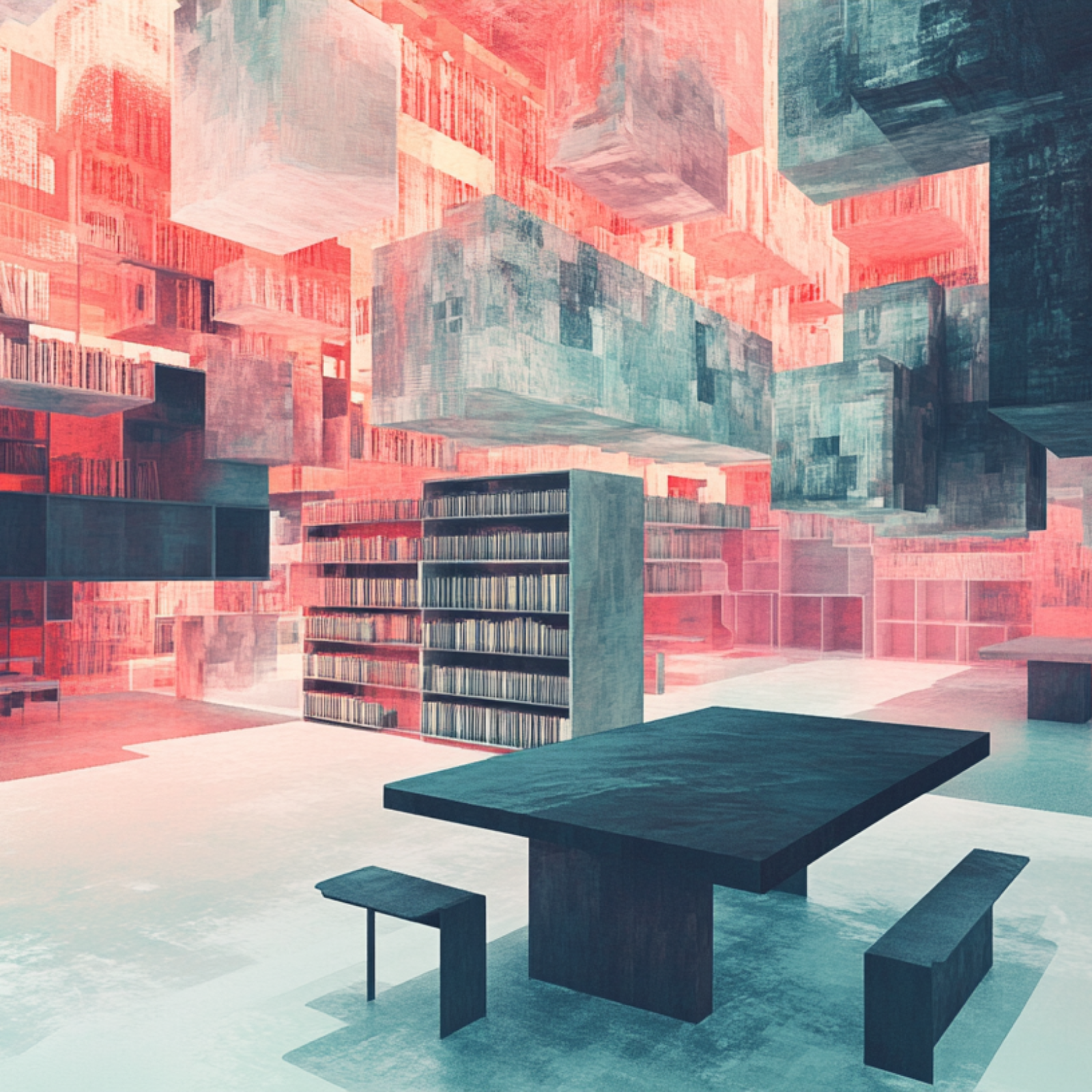
Physical spaces are not neutral settings. Our offices, kitchens, parks, malls, movie theaters, and classrooms, all tell us who belongs, what behavior is expected. They are narrative systems, not just built environments. Every layout, threshold, queue, sign, fixture, and seat rehearses a version of the future.This is one of the central arguments of our new book Story Systems and Cultural Research. Culture does not change only through new technologies, policies, or markets. It changes through the stories that organize behavior and make certain futures feel possible. When we learn to read those stories, we design more intentionally. Narrative systems help us move beyond trend language and ask a better question: what should future spaces help people become capable of doing together?I
0:09A conference room can tell you who matters before
0:12anyone opens their mouth. The long table, the
0:15head seat, the screen at one end, the glass wall
0:19that says transparency while making everyone
0:22slightly performative. You don't need a memo.
0:26The room has already distributed power. A classroom
0:29does the same thing. Rows facing forward tell
0:33students that knowledge lives at the front. A
0:36park bench with armrests every few feet says
0:38resting is allowed. But not too much resting,
0:41thank you very much. A supermarket checkout line
0:45teaches its own moral lesson. Keep moving. Don't
0:48hold people up. Efficiency is a civic virtue
0:52now. Even waiting has been designed into a little
0:55ideology. This is my basic point. Spaces do not