
8158 Podcast: Stories of Sacrifice · 8158 Podcast
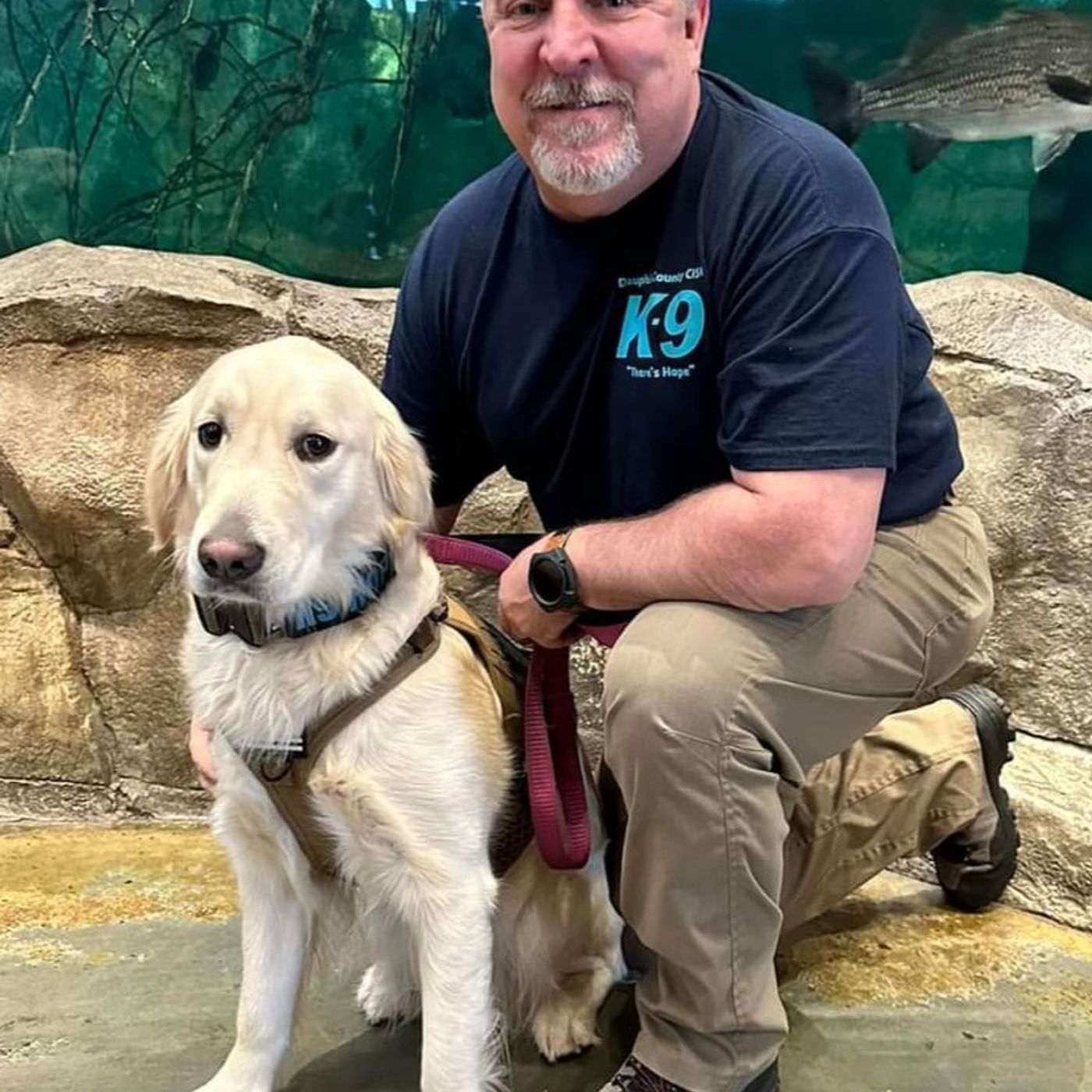
What happens when someone has served on nearly every side of public safety—and dedicates their life to making sure others never suffer in silence? In this powerful episode of 8158 Podcast: Stories of Sacrifice, Rico sits down with Mac McClurg, a retired corrections officer, school resource officer, firefighter, EMT, deputy coroner, peer support advocate, and instructor with more than 40 years of first responder experience. Together, they dive into one of the most important conversations facing first responders today: mental health, peer support, and breaking the stigma surrounding trauma. Mac shares his firsthand experiences working inside corrections, responding to critical incidents, and helping build a comprehensive peer support program that gives first responders the tools they need before trauma becomes overwhelming. He explains why talking about difficult calls isn't a sign of weakness—it's one of the greatest acts of strength a first responder can make. Throughout the conversation, Rico and Mac discuss: The hidden mental health struggles facing corrections officers, law enforcement, firefighters, EMS, and dispatchers. Why peer support programs save careers—and lives. The importance of involving first responder families in the healing process. How trauma changes the brain when left untreated. The growing need for confidential counseling and trauma-informed support. Lessons learned from decades in public safety and why no one should carry the weight of the job alone. This episode is an honest, emotional, and educational conversation that every first responder, family member, and supporter should hear. Whether you're wearing the badge, answering the call, or standing beside someone who does, you'll leave with a better understanding of the invisible battles many heroes fight every day. 🎙️ Because healing begins the moment someone says, "You're not alone." 🌐 Learn more about the 8158 Podcast: https://www.8158podcast.com 🎧 Listen on your favorite podcast platform 🤝 Support our mission: https://www.8158podcast.com/donatepodcast-1 🛍️ Official Merch: https://www.8158podcast.com/shop #8158Podcast #StoriesOfSacrifice #FirstResponders #CorrectionsOfficer #SchoolResourceOfficer #PeerSupport #MentalHealthMatters #PTSI #TraumaRecovery #LawEnforcement #Firefighters #EMS #Dispatch #Corrections #BehindTheBadge #BreakTheStigma #SupportFirstResponders
Rico: Welcome back, everybody, to another episode of 8158 Podcast Stories of Sacrifice. Today's guest we have Mac. He is a school resource officer and also a retired corrections officer. And he is an avid listener to the Thinline Rock Station. Mac McClurg: yeah, I love your show. Rico: Yeah, I I get a little crazy sometimes on that show. So Mac McClurg: That's that's what I like. I like the the the un unedited version of you. I always always like and respect a person that's not afraid to speak their mind. Rico: Exactly. And you know, it's it's kinda crazy how you know starting off just to kind of give you a brief s point with us is I don't know if you listen to our podcast at all, but I used to be a very introverted person, very tight and not, you know, let anything out because obviously if you ever read the book that I'm writing right now because I'm in the process of writing a book so you'll kinda understand where I come from and, you know, why I was the way I was and then how I come out of my shell. And I just realized that, you know, being myself and being open and honest and and just owning a lot of my own stuff helps me to be more honest and open about everything else. Mac McClurg: Right, right. I actually teach at our local community college about stress stress management and introduction to the critical incident stress management model and introduce peer support to them. And a lot of what I share with them when I do teach, and I also teach taught in our in-house DOC Academy at my county jail, the same program, but I use a lot of my personal experiences and a lot of the trauma I went through on the job and off the job, Rico: Mm. Mac McClurg: to show them, hey, it it's okay to open your mouth. It it's okay to talk about this stuff. Rico: Exactly. You know, and I do the I do it on the radio station and you know, we talk about a lot of serious content on the podcast, which we don't, you know, we show a lot of respect to our first responders and stuff like that because it means a lot to me and you guys mean a lot to us because, you know, you guys are there for us and obviously you're there for the kids that are in school and that's an amazing thing. And we totally respect that and we love that because Our children need guidance. And that's one of the things that we're trying to combat with our foundation is not just by helping first responders and military veterans, but also by helping juvenile offenders, because we know that they need a lot of help. So we want to kind of guide them and kind of give them a a proper direction. And you never know, they might qualify to become first responders themselves, whether it's fire EMS or whatever. you know, if they don't have any serious, serious crimes. Mac McClurg: Mm-hmm. Rico: A lot a lot of times, you know, the kids are just kids and they do stupid things. Mac McClurg: Yeah. Yeah. And it it's important to realize the difference between what is just stupid kid behavior. I'm I'm in a middle school. So and Rico: Okay. Mac McClurg: like I tell them all, I think middle school is the hardest three years of my life, the hardest three years of most anybody's life. I mean you're making that transition from elementary to high school, you know, from basically being a kid to being an adult. and most of of what we experience with them is yeah, it's just stupid kid stuff. But there are other more serious offenses that go on. there's been a few times where, you know, I b you know, they do know about my background, they do know where I retired from. and I I've actually had some kids that I've also had their dads in my previous life. So, you know, sometimes the two worlds unfortunately cross paths. But try and explain to them. I remember one day I went and Had to take lunches down to in school suspension. And I stopped and I went back in the room and I told these kids, I'm like, listen, I said, I hate to tell you this, but it's bugging me. I just fed you the same way I fed inmates. You got a styrofoam lunch and you got a small half pint of milk. So, you know, if you want to keep going down this path, enjoy this lunch because that's what you're going to get for years for breakfast, lunch, and dinner. So, and you know, I tell him, I said, I hope you never have to see. this kind of lunch again, either in in school suspension or when you become an adult. yeah, and it really hit me hard how those two two worlds collided. It's like, my gosh, I'm feeding kids the same way I fed inmates. You know, and I hope they understand that, you know, this is not this is not how you want to be. This is not where you need to be. Rico: Right, exactly. You you definitely do not wanna be in that category because it is not a good life. It is not a fun life. That is a life that I had endured myself and trust me, it was not fun. Mac McClurg: Right, right. Rico: It was not good. Not good at all. Mac McClurg: Yeah, it it's it's not it's not a good life and Rico: Yeah, it it's it's not it's not a good one. Mac McClurg: you know like when working with the inmates, for the most part it wasn't it wasn't bad. unfortunately on a mental health angle, there was more times we didn't like going to work because of how the atmosphere was, and that was us. That wasn't the inmates, that was us. the mandatory overtime and and admin and changing the rules and you know the the unfair discipline and and you know some of the the lazy COs and and you know you had some that would do their job and there's a fantastic group of guys where I worked, guys and girls, top notch. You know, work with them anytime, do anything for them. but then you see the mostly the newer people coming in and and it's it's because of being shorthanded, they're hiring quantity over quality. and that just tanks morale. I mean, I understand, you know, admin's got to staff that this place. It's it's gotta be kept safe. and I absolutely know yeah, they gotta bring their numbers up, but at what cost? You know, do you want quantity? Do you just want a warm body or or do you want somebody to actually can do the job and and you know keep the staff and keep the population safe. but the the burnout the burnout is bad. I had gotten hooked up with a guy named William Young, Bill Young, he's a CO out of Nebraska. Bill's written a couple books, but the first two books were like I said, how I I I teach. You I use my personal experiences and his first two books were just written just like that. a lot of what he goes through about going to a restaurant and having to sit with your back to the door and and and overthinking everything and and analyzing everything for threats. I mean it's what we do eight most times sixteen hours a day at work. but his books really helped keep things in perspective. we had him into our jail excuse me for two days to talk to everybody, which I think really helped. We got copies of his books to hand out with these guys reading his books and hearing from somebody else, hey, I'm not I'm not unique here. I'm not going through this shit alone. You know, there's somebody else in another part of the country, same setting, is experiencing all the same stuff. and I actually had a lot of COs have their spouses read them. because like I had my wife read them and you know, she understood a lot of of why I had been how I had been for you know the decade I worked in corrections. So there's tons of resources out there. You just gotta find them and you gotta capitalize on them. I know you said earlier about you know you writing a book. Bill kind of inspired me to do mine. It was more so just writing stuff down over the last June it was 40 years that I excuse me 40 years that I've been a first responder. whether it be fire, police, EMS, corrections, dispatch coroner's office. so I wrote a lot of stuff down, putting this quote unquote book together just to just to get shit off my shoulders. Rico: Totally. Mac McClurg: but peer support, like he stresses that a lot and we were real fortunate in our jail. Warden Greg Briggs is our warden. he was very serious about and very supportive when we started our peer support team in our jail. and we even got to we wrote a policy. So if anybody out there is listening to this podcast, it's in corrections or or any first responder community, get a policy together. It's not hard, it's just a simple policy what we call schism relief time. I polled a bunch of senior and junior officers before we did this that had serious incidents and I said, Hey, when you were done with the incident, What was one thing you could change or would would want to see done differently, other than you know, the unfortunate outcome? And 100% the answer was the same. It was, I wish I could have had just five minutes to catch my breath. I went from CO mode to rescue mode back into CO mode, whether it was doing CPR, cutting an inmate down, you know, getting medical there because they're overdosing, whatever the case was. Once the incident was done, they went right back to work. So we actually got to write a policy and and the warden w was gracious enough to approve it and it's worked well with schism relief time. Once the incident's over and the security is met and everything's back to normal, the officers involved are allowed some time, even if it's just five minutes to go get a cup of coffee, go get a bottle of water, just to take a breath and reset. Process, start to process what happened. There's sometimes it it's more of a serious reaction. And then there's you know, they they're granted a few days of admin leave if need be. they're also granted immediately, there's peer support trained people on every shift. so pretty much every day of the week, every shift, there's somebody there that has gone through the ICISF training for predictive and stress management. So there's always somebody to talk to. if not there's an option to call somebody in just to talk Rico: Yep. Mac McClurg: and get her off their chest. and then we've also gone and vetted a few counseling groups in our area that specialize in first responders because we said all along, me in particular, I mean this is something I'm not shy about, but with our EP, it's a good organization, but I'm not gonna go after I cut an inmate down. and talk to a counselor who the hour before talked to some disgruntled housewife whose husband's cheating on her, she's an alcoholic. You know, that that counselor's not gonna he he's not gonna understand one world to the next. You know, unless you've walked a walk and talk to talk, you have no idea what the hell we go through. And you you're there's you know, it's no no offense to them. That's their world, this is ours. But we found one counselor who has been a first responder since he's been sixteen. military veteran as well. and then another group that was started by a firefighter EMT from our local fire companies. And she has on staff a current corporal for one of the local police departments as a licensed counselor. So, you know, we have cops talk to cops, firemen talk to firemen, corrections officers talk to corrections officers. That's who's going to understand what you're going through and be best able to get you through it. I mean, you know, you understand corrections officers, they're the hardest nuts to frickin' crack. if you can get through to them, you're Rico: Okay. Mac McClurg: you're doing something pretty damn good. because they just we don't trust anybody, we don't talk to anybody. hell most times we don't talk to our each other. other than bustin' balls. but you know, it's it's done our warden has been helpful i and and did very well with helping us put this program together and and and letting us do how we saw it needed to be done. and it is very supportive of it. So that's been huge with with our corrections community here in Harrisford, Pennsylvania where I'm from. Rico: Right. Yeah, I totally understand that. And you know, earning the respect and trying to crack a corrections officer, you know, I've seen a lot within that that realm from the other Mac McClurg: no. Rico: side. And it's it's sad because I I've seen a lot of them take take it to the extreme and I've seen a lot of them that were genuinely wanting to help inmates, going from helping inmates to being taken advantage of. And I could see how they would just clam up and just be very protective of themselves and just kinda, you know, want to rule with an iron fist. That sort of thing. Yeah, Mac McClurg: Sorry about the background, I have three dogs. Rico: I got two mutts, but the wife's got over there holding Mac McClurg: Yeah. There must yeah, must be a squirrel outside or something. Rico: Yeah, I know our our two, they think they own the the neighborhood, so anybody that goes by they bark at Mac McClurg: Mm. Rico: Stay off my block. Mac McClurg: Yeah. Rico: So when did you get involved with corrections? How long ago was that? Mac McClurg: 2014. I worked for Dolphin County as a deputy coroner for 12 years. Left Rico: well. Mac McClurg: that service. what's that? So I I left Rico: I just said wow. Mac McClurg: that service left that service for a little bit. a friend of mine was deputy director of our booking center, brought me back in in 2014 for that. and then the prison took over in 2018. so they were running the booking center and the prison. to be honest with you, at first we thought, well, this is gonna suck and I'm not working in the prison. but to be honest with you, it was a lot easier working in the prison than the booking center. because working the block, these guys are already in, they're already in the routine, setting their ways, you know, know what the deal is. With booking, we're getting them right off the street. under the influence of God knows what. You know, it's every day, every night. it's a fight. you know, these assholes coming in and just, you know, even if they're not under the influence, they're just assholes in particular. you know, wanna fight, wanna argue, just don't wanna don't wanna be with the program. whether it's a good thing or a bad thing, I'm probably gonna piss a some people off with this, but when I first started, we could still handle our business. never abusive, never over the top, but you know, you you fight us, you spit at us, things like that. there were some minor physical repercussions that were coming your way. we could go hands-on, even if it's just a matter of grabbing their shirt and walking to a cell. unfortunately, there's been a huge shift in corrections everywhere, not just in our little corner of the world, where you can't do that anymore. and there's there's a big shift in who really has the upper hand in all this. So you know, that's been a little bit difficult. It's it's been good to a point where, like you said earlier, I mean there are some corrections officers that are abusive and are over the top. but then there's also some that, you know, they're just there for the paycheck. They don't want to get involved in anything. So you know, you I'm sure every facility has that one extreme to another. so I mean it has been good. The the key our county has done a lot with CIT training. we're learning how to talk to people, you know, putting giving them the benefit of doubt, putting them in in putting yourself in their shoes, which I think has been fantastic. I think that was needed for a very long time. and it seems to work well. I mean I found with You know, you give them respect and your initial contact is, you know, sir and ma'am, please and thank you. As long as they reciprocate, everything goes well. they change the conversation, then you know, you have to change yours. So but you know, corrections is changing, law enforcement is changing. I know my daughter just tested for the sheriff's office. Six people, four men and two women, that was it. You know, the amount of applications for police departments, you know, I remember back in the nineties and early two thousands, three, four hundred applicants for a local police department. Now they're lucky they get thirty forty. It's just Rico: Yeah. Mac McClurg: and it's that way across the country. You know, number one, less people like and respect the cops. two, you know, do I wanna make X amount of dollars being a police officer and never knowing that this might be my last day? Or do I want to make the same amount of money, you know, working in a bank or working in an office or doing something like that? You know, which is safer for the same amount of money. If you can go someplace safer, who wouldn't? Rico: Right. Mac McClurg: you know, it's just it takes a certain kind of person that will always, no matter what, when a shit hits the fan, they run towards danger. same with our firemen, Rico: Yeah. Mac McClurg: same with with EMS. my son's an advanced EMT here in Pennsylvania. pounding the same damn city streets I did. Back in the nineties when I started in EMS. which is kind of cool. But, you know, on the other hand, I knew what he was getting into. I knew the kind of shit he was gonna see. out of respect for him, I won't say what happened to him this week, but you know, he had an incident hit him pretty hard this week. And it it's I'm I'm half honored that he followed in my footsteps. but the other half of me is, you know, I didn't want this for him. I don't want him to go through what I've gone through in forty years and still dealing with shit from twenty, thirty years ago. So, but I mean, he's a big boy. I I can't can't tell him no, I can't put him over over my knee. Crazy six five. So I I can't put him over my knee and tell him no, no, no, you're not allowed to do that kind of shit. so he's very good at what he does, but you know, he's just gonna have to to learn his own way. I know he he calls to talk to his mom. Every shift on his way home and unloads. So at least all that baggage, all that weight he gets from the shift, he gets to a certain degree unloaded every night, which is very healthy. So I wish Rico: That's good. Mac McClurg: everybody had that opportunity. I wish everybody, every first responder had that opportunity to have somebody to talk to. a lot of what Rico: Okay. Mac McClurg: I teach in in the the career academies up at our community college is again, my personal experiences, Don't shut your loved ones out. you don't have to tell them all the gory details because I always took my home life as that's my oasis, that's my safe space. And I don't want to tarnish it with all the bad shit. Everything out there is bad. You know, home is good. And I don't want the two to cross. I don't want home to be tarnished. So I explain to people, don't bottle up like me. You learn To if you come home and your significant other says, How's your day? Don't lie to him and just say I'm fine. are you a big Aerosmith fan? Rico: I love Air Smith, yeah. Mac McClurg: Okay, so the pump album, do you know what FIME stands for? F I N E? You remember? It Rico: What's that? Mac McClurg: fucked up, insecure, neurotic, and emotional. So I tell everybody, Rico: Okay. Mac McClurg: you know, it's like, look, you say you're fine, you know, in in the words of Aerosmith, learn what their acronym stands for. because that's a lot of times what you are, when you say you're fine. Stop doing that. Say, listen, you know, I had a bad day, I had a bad shift. Give me a minute, take a breath. You know, whatever if you come up with your your unwinding routine when you get done with your shift, you know, go through the motion, stay in your routine. If you go get a shower, you just can't change clothes, check your phone, whatever. but then talk to them. Look, I I did have a bad day. There was a bad call. I really don't want to talk about it now. but I just appreciate a minute just to relax. And then if you want to tell certain details of like, hey, I had I had an infant death or we had a bad car crash or You know, we had a a horrible structure fire that I didn't think I was gonna make it out of. Whatever the case may be, tell them, let them know. don't go home and just shut out. A lot of times, like with me, especially with sixteen hour shifts on days off, I don't want to do anything. You know, and if there's plans the family has and you don't want to go 'cause you're tired, you're burnt out, you know, you're pissed off, whatever the case may be, at some point your family's gonna do them and let you do you. And then those two lives are gonna separate. I'm not saying divorce, even though that happens a lot. But you want to put your life on hold. They're not expected to put their life on hold for you. So Rico: Right. Mac McClurg: this was an eye opener for me two years ago and I retired. You don't see this shit when when you're going through it. I'm fortunate enough I I retired and got to see all this, and that's why I advocate for hey. Learn from my mistakes. Don't follow my path. Don't be shut in, you know, shut up, quiet, put walls up like I did. Share a little bit. we found that with an incident a few years ago with my wife and some others started the family support division of our critical and stress management team. And the first time they had to go out and talk to a group of spouses and family members of junior firemen, parents. The floodgates open. Usually we're used to just going out and dealing with the incident of hand or maybe one or two recent incidents. these families have never had a a a a voice. They've never had anybody to unload about this. so the first couple of times she went out, man, the floodgates opened. I mean, they were talking about stuff from years and years ago. So again, let you go home, let your families Rico: Yeah. Mac McClurg: know what happened to a certain degree. Let them talk too. Listen to them. You know, or you know, maybe, you know, hey, I heard that that call on a scanner. I saw that in the news before you got home. You know, and it scared me. I didn't know if you were involved or not. Let them talk and and listen to them as well. So because nobody's ever like I said, 40 years I've been doing this, and nobody has really paid any attention to our families and given them a voice, giving them somebody to talk to. They sure as hell ain't gonna talk to us. We're going through it. But that's primary trauma. Their secondary, vicarious trauma is just as real as us having that front row seat to that incident. especially Rico: Right. Mac McClurg: if you don't help them through it because they're gonna know the basics of the incident, but they're gonna they're gonna create their own movie in their head of what happened. And it might not be exactly what or might be more horrific of what you went through. So share a little bit with them. Talk a little bit with them, let them talk to you. You know, help them put things in perspective, same as what you need to do. because at the end of the day, boys and girls, they're your only support system. They're your true support system. You're they're who you have to come home to. And if that home is doesn't have that balance of both you being able to share, like I didn't notice after I retired, my ten years in corrections, my daughter who's who'll be twenty one this year, but I couldn't leave the house. I worked midnight shift. I couldn't leave the house without her giving me a hug and kiss goodbye. it's just something she had to do. And I didn't realize the impact of that little gesture until after I retired. And then they come, they finally come clean me up. Hey, listen, you know, you we were we were scared shitless almost every single night you went to work. I didn't know that. They know I have to go through it. Boys and girls, they know your family members know you have to go through this. You have to go to work, you have to put yourself through. All this stuff at your job. But it doesn't mean they're not sitting at home. I don't remember what the quote was, but I found a quote from the chaplain for the Chicago Police Department. And basically, you know, it it's it is you know, paraphrasing your family goes to work with you. You're out there doing a job, but they're at home and they're just what if he gets involved in a shooting? What if there's a bad fire? You know, what if he picks up a patient that that attacks them? Yeah, it's they're Their brain is going a million miles an hour, what if, what if, what if, while you're out there doing it. So they go through just as much as you. Vicary secondary trauma is just as real as the primary trauma you guys go through. So if you have EAP programs, I know our EAP program, our county, good friend of mine, Michael Iverson, is a fire chief of one of our local townships. he just got the county. We have the county employees have always had an EAP program. he just got the county to help with all of our volunteer fire departments and EMS companies now have a countywide EAP program through the one that the our county uses for the full-time employees that gets them or their family members 12 visits for free that they can go to counseling, any kind of services. What do you need? Financial services, counseling services, whatever. Because for years, I mean the volunteer fire Rico: Yeah. Mac McClurg: service, they don't have the money. to be paying for fancy services such as this, even though it's very, you know, very much needed. and Naby was able to to make that happen. Him and and some others in the county, like Jeff Enders, our our EMA director, they were they were absolutely phenomenal in getting this approved. So now all of our first responders, you know, have access to an EAP program. And we we've always had counseling groups for them and always referred them to them. But unless their insurance paid for it, whatever, a lot of it was out of pocket. Well, now it doesn't have to be. at least they get twelve, twelve visits that they're taking care of, like I said, even even their families, which is a huge step in Dolphin County for ensuring, you know, the mental health of our providers. Because the worst thing that can happen is you're losing firemen, you're losing police officers, you're losing EMTs because it's like, man, I I can't I can't handle this job anymore. I can't do it. You know, it's too much. I've seen too much, I know too much, and they walk. So, but our our program has been tiered to where you have our peer support, then we refer you to counseling services, the EPs, and we have it that you can step in anywhere you want to. If you don't want to talk to a peer support person, but want to go right to a counselor, the information that we have, you know, handed out everywhere, you can step into anywhere in that process you need to. Rico: You can step into anywhere in the process you need to. amazing that you know that you guys have started this peer support thing because it is something that is desperately needed and I know we've been trying to combat that as well. We've been you know reaching out to other organizations, you know, because you know there's a stigma behind the the PTSI and and dealing with the mental health issues of the job and them not wanting to step forward and say that they have a problem. So we've kind of went and talked with certain organizations that will help, like peer support groups or organizations that offer counseling for free, that will help first responders and not say anything to their departments about what they talk about. Mac McClurg: Right, right. Rico: Even if they don't they don't even know that they're doing it. Because they understand the stigma. They understand that, you know, it is real. And a lot of a lot of places people have gotten fired from their positions Mac McClurg: Yeah. Rico: because they had stepped forward. And I interviewed several guests who talked about how they were relieved from their part of their duty because they had stepped forward and said they had a problem. Mac McClurg: Yeah, and and and again, back when I'm I'm teaching, one of the last things I talk about is also watching out for each other. like say for a group of firemen, if you know a guy on your crew is battling addiction or even just serious mental health issues like depression, and that stress, that cortisol. The more it maintains in your system, the more you stay stressed out and don't get help. I mean, there's there's four different levels of how this affects your body. And and once you get to where what what we have is level three, where it's entrenched, entrenched means ingrained. if you don't deal with this, your brain will rewrite itself. It will rewire itself, it will rewrite itself that this is the new normal. You feeling sick all the time, headaches all the time. You know, pissed off at the world all the time. If you don't go get support and you don't get that taken care of, and it's allowed to fester and build and grow, your brain will rewrite itself, okay, this is the new normal. And that's how you live your life. This is the new normal. so it'll forget about how normal used to be. You know, and this is your new normal, and this is how your brain will continue to function. and then continuing on with that, then it gets to the final level where you start with the addiction problems. You start with serious physiological issues, where people are having heart attacks, they're having high blood pressure, diabetes issues. it starts to manifest itself in physical ways, very strong physical ways. And then even with you know suicidal, homicidal thinking. Rico: Mm-hmm. Mac McClurg: you know, getting into a bottle, getting into drugs, that's suicide. It's a lot slower process But make no mistake about it, you know, getting into a bottle because you're stressed out and the shit you've seen on the job, and and that's your coping mechanism to make that stuff go away. That's just a very, very slow suicide. Rico: Yeah. Mac McClurg: now, don't get me wrong, I'm not a teetotaler. I I like the occasional beer with the guys and things like that and cookouts and stuff. So I'm not a you know, swear-off alcohol kind of person. But, you know, alcohol is a depressant, and if you're already depressed and pissed off, guess what? You know, it's just gonna Rico: The word. Mac McClurg: gonna, you know, like I remember a Bill Cosby skit you know, about, you know, drugs enhance your personality. He says, Yeah, but what if you're an asshole? So it it's the same thing with this. If you're you're pissed off at the world and you and you're you're upset and you're depressed and you're mad because of what you've experienced on the job, and then you add a chemical in there that's just gonna intensify that, you know, what do you think the outcome's gonna be? when I started in 1986, that's how freaking old I am, we didn't have this shit. You know, we had tailboard talks where you come back to the firehouse, you sit on a tailboard of the engine, and you know, you talk about the call. number one, fire apparatus doesn't have tailboards anymore, so there's no place to sit. Number two, people are so busy, there's like at least the fire server, you don't have that camaraderie as much anymore where you can come back from a call, sit and talk it out. And be done with it. You know, get that all that weight off your shoulders. Get those, you know, I kind of equate it to like rocks in a backpack. Rico: Mm-hmm. Mac McClurg: some people can carry a lot of weight in that backpack. Every critical incident's a rock. but then you have that one where somebody drops a thousand pound boulder on you and you just can't carry it anymore. Well, there's tons of people out there who help you lift that weight off your shoulders, help you unload that backpack. it's easy nowadays more than ever. Those services for first responder are crazy everywhere. it was not hard for us to find counseling groups in our area that specialize in first responders. I mean, hell, the one we have, you walk into their office, there's a challenge coin board on the wall on the wall by the reception desk, and you walk down the hallway or at T's, and there are patches everywhere. And two of the patches that at least for corrections, there's a state DOC patch, and there's a Dolphin County DOC patch. So these corrections officers going in, they see the patch they wear on their shoulder on the wall right in front of them, and they know, hey, somebody I know and I work with has already been here. So Rico: Right. Mac McClurg: that this is this is okay. And we tell all these guys, you know, we whether it's, you know, whatever first responder organization it is, we told we've actually sat and met with these people. You know, they come from our background. They're gonna know what you're talking about. I went through a real serious incident in 2006. and they sent me two a specialist, counselor and the first fifty minutes of our first hour is why should I talk to you? How the hell are you gonna know what I'm going through? so yeah, so you know, I kind of pissed the first session away with him explaining to me that he's worked with the FBI, he's worked with state, local, county, and federal law enforcement agencies all up and down the the Eastern Seaboard. it's like, okay, so now we can let's schedule a second appointment and now we can kind of get into this. but I didn't want that for anybody. some of these these groups that we have. I had a a a CO that was feeling suicidal. and this was on a Friday, and I called our counseling group and he went in on a Saturday morning. Matter of fact, he even called me from the parking lot and goes, Hey, I'm here, but I looked on their website, they say they're not open Saturdays. I'm like, dude, like I told you, the rules don't apply to you in this situation. They open their doors for you on a Saturday to come in and talk. Rico: Right. Mac McClurg: same with our warden, getting back to him. you know, the policy is you have to call off a certain amount of time and you know, unless you get, you know, or you'll get points. but an open slip was done for him the day Friday when he couldn't come to work. And the lieutenant filled it out and everybody was fine with it. Even though he didn't call off within a time frame the contract said, the warden trusted us enough that if we said, hey, he needed this, there was no questions asked. So everything was signed and everything was approved because he was worried about points and dis I said, No, this doesn't pertain to you. When something like this happens, you know, I work with a lot of very good people that understand this is needed. but the warden also knows there's there's been a few employees that try to play the system and play us. Rico: Yeah. Mac McClurg: we put a good group of people in place that we hand picked, hand selected that they were gonna see through your bullshit if you were trying to bullshit your way for days off just 'cause you wanted couple days vacation. so and that's how Rico: Right. Mac McClurg: the the policies all explain to how all that works. But we've we've never given the warden any reason to distrust us or our peer support people. And so he does, we trust him and and things have worked out good. But unless you have management in your agency that's willing to do that, like getting back to to Chief Iverson, you know, he's the same way. He understands that as well. You know, if his guys come to him and say that they need something, or we go and say, Hey, this person needs something, you know, we have that mutual respect. He trusts us, we trust him. And, you know, things are taken care of the right way, the way they're supposed to. There's a lot of agencies that unfortunately it's not it's not like that. so and that's unfortunate, but you know, I know we've come a long way in forty years. So hopefully in the next forty years, one, we won't need these services, but that's a frickin' pipe dream. Rico: Right. Mac McClurg: but that a lot of these bosses and I have seen that you know, it this has picked up steam. This whole movement of mental health for our first responders is really picked up here in the last maybe five, six years. and has done very well for, you know, our providers here, at least in Dolphin County. And the other thing is is like with our team, I I don't play well with lines on maps. I don't like jurisdictional issues. There are counties around us that don't have SISM teams. So they know we do. So if we get called, we go wherever we need to. we don't stay just within Dolphin County. Cumran County next to us started up a very, very strong team. They are doing phenomenal work over there as well. but yeah anytime there's something happens in a different county if they don't have the peer support services, they call us, we go. It's that simple. I don't ask questions. We just go and we do it. And Our team is a hundred percent volunteer. So these are folks from we have every every first responder organization represented by a peer support person on our team, whether it be our co-responder program, sheriff's office, corrections, police fire EMS, probation, whoever. Our probation juvenile adult probation department, Dolphin County has has a very both have very strong teams and have had for a very long time. So yeah, no matter what the service is, no matter what the county is, if they need a specific peer support person for that type of career, you know, we have them covered and we go, no questions asked. But like I said, the big thing is is is we're all volunteer. we've been working very hard for a while to get some better county funding, which is nowhere to be found. we've g gotten had to write some grants for training, and the grants have always been approved through the county. We so we've been able to do so good training through the ICISF. But, you know, more more support for training and things like that would be appreciated. But I mean it's it's county government. You know, the money only goes so far. So Rico: Yeah. Mac McClurg: we kind of understand that. But you know, hopefully someday we're we're chill and like I said, you know, if we got the county to to take care of all of our firemen in the county and all of our EMS providers in the county. So that's a huge step in that direction. Rico: Right. Now basically have trauma informed individuals handling all this so that you know they know what's going on. They've been through it, they've been through hell and back, so they understand. Now is this something that you are only doing in Pennsylvania? Or do you have plans for Mac McClurg: No. Rico: broadening out? Mac McClurg: We we ha yeah, well right now we are the county's team. so I know a couple years back a a police officer in the northern part of the state of Pennsylvania was killed in the line of duty and some of our folks went there. I wasn't on the team yet, I didn't get my training until two thousand and two, but nine eleven, October two thousand one, four members of of our county SISM team went to New York City and Ground Zero. and they were partnered up with either fire department personnel or police department personnel and they went out and did peer support in the rehab areas surrounding ground zero. and they weren't the only ones there's people from all over the country doing that. So one of the things is that's mandatory for us. there's an organization called the International Critical and Sistress Foundation. the individuals that founded that wrote the book on SISM. This is how it started. Dr. Jeffrey Mitchell, out of Maryland, he was a former paramedic, started this. so if anybody wants to Google Dr. Jeffrey Mitchell and his books and things like that, or even get on the ICISF website. Tons of information, tons of services there, tons of trainings advertised. but that's pretty much the pinnacle of what training you can get to do this kind of work. Matter of fact, the state of Pennsylvania a lot of states have Sism statutes, confidentiality statutes for Sism teams. And the one for the state of Pennsylvania specifically says that you must be registered with the International Critical and Stress Foundation and with the state, which is the Pennsylvania Department the I forget what it's called. Anyhow, we we are registered with the state and with the ICISF. Well, the only way to be registered with the ICISF, all your members on your roster had to be trained by them. so what we did was like we had our our our team and we reached that that standard. And then I went to probation, who was a standalone team at the time, and they were all trained in ICISF, but I said, Hey, listen. This the we have the overall county team and then you have your county probation teams. You're all trained, right? Yep. Well, let me just put you on our roster so you're covered under that statute umbrella. So that way as long as you're on a roster, we're kind of like say I'm the facilitator of a debriefing. I can't be subpoenaed to talk to anybody. like if a boss comes in like you you alluded to earlier about, you know, people, bosses finding out in these organizations that these people are having mental health issues or going through mental health treatment. It's costing their jobs, their promotions, things like that. and that is one of the number one roadblocks, one of the number one causes of the stigma in the in the first responder world and in your employment. that hey, w if they find out, you know, now you're up for a promotion with somebody else. he's been seeing a shrink, he hasn't, you know, maybe it's better to give it to him now because he's more mentally stable. How the hell do you know he's more mentally stable? He just hasn't gone to counseling yet. So Rico: Exactly. Mac McClurg: so with having everybody on that umbrella in that statute as a facilitator, I can't be subpoenaed or asked to to talk to a boss. Everybody involved in the in a debriefing or the session, their co participants, they are also covered under that. Like fireman Joe can't be asked what fireman Frank said in a debriefing by their bosses. You know, they don't have to say anything. And they're covered under that state law that they don't have to talk to their bosses or can't be subpoenaed. Other than that, the next part of it is if you make a statement that you're wanting to harm yourself or others, then it becomes a mandatory reporter kind of thing. Then we have to. And when we start every single session, all this is explained to everybody. Every single time. I don't care if it's like your 10th time doing a debriefing, you hear it again. We make it perfectly clear that everything said in that room has to stay in that room and it is even bound by law. It's not like a doctor-patient confidentiality thing, it's a law. We have to keep. it to ourselves, you guys are for you know, the luxury of being protected under statute, keep it to yourself. but then part D is you have to be on a team, it has to be registered and things like that, or there is no protection of confidentiality. So we've taken the different groupings like the prison has their own team, probation, and then our overall county team. Everybody's on the overall county roster under that umbrella of confidentiality, which has been huge with telling these guys, hey, listen, We can't say anything. And technically, if we did, you know, we could be charged with a crime, for violation Rico: Right. Mac McClurg: of that statute. So I hate putting like well, you I won't talk around, I'm gonna go to jail. I hate putting it that way, but whatever we need to do to ensure that these guys know. I know way back before we were organized the team in in twenty twenty, there was a lot of Folks in the area that didn't want to use our team because they had heard there were some confidentiality issues. That some people saying that they were part of the team went and talked to folks and then talked to other folks. so that was a a big hurdle we reorganized that we had to to oversee that and reaffirm to everybody. And that's why we lead off with hey, when we do this, you know, we're not allowed to talk to anybody. It's a crime. So to try the best we can to ensure that now, yes, we are very serious about the confidentiality. So we've had lawyers challenge it as far as, you know, with civil lawsuits with accents and stuff like that. Hey, are you gonna be subpoenaed to talk and and have to say in court what my fireman said? Nope. You know, we we meet all this criteria per this statute and your firemen are are very well protected with what was said. So there that's that's Rico: So Mac McClurg: the fortunate part about the state of Pennsylvania, but I know Massachusetts, anybody from Massachusetts happens to listen to this and does peer support. I'm sure you guys know already. I know in light of the the Boston Marathon bombings, this has been challenged by some smartass lawyer that you know, well, you don't meet that confidentiality. He thought Sism was just so all the cops can get together and get their story straight, which isn't couldn't been farther from the truth. Rico: Yeah. Mac McClurg: but you know, hey, lawyers get paid to take care of their clients any way they can. so, you know, if that's what happens, that's what happens. But it it has been questioned whether states and commonwealths can have this type of law, and whether it will uphold or be valid up on the federal level if it gets that high. So but for now, you know, we do enjoy the the the statute now and the confidentiality for the people we talk to. Rico: Well, I definitely hope that it goes to the federal level and is passed because it is very important to protect our first responders. It is very important to protect their mental health, their livelihood, and they're not, you know, just because they had a critical incident and they have been going through some stuff doesn't mean that they are completely helpless. They can have they can get the help they need and still And even with that, when they when you have a a an incident, it might make you a better, more effective first responder. Not the one that keeps holding it in, bottles it in, and tries to portray himself as being, you know, this macho type of I'm gonna hold it in and nothing's ever happened to me type of thing. Because that's when those are the ones that are harder to trust because you never know when that might strike in that individual. And they may not be there for you because they're going through that that trauma. Mac McClurg: Yeah, a lot of what I've seen Rico: So it's better than not bad training. Mac McClurg: is Paul Combs does a lot of of cartoons, caricatures, mostly for the fire service. And I use a lot of his pictures in my my teaching. And one is of a guy with a ticking his head's a ticking time bomb. And the other fireman says that you know, you're just so strong, you nothing ever bothers you. What's the problem? And and and like you you were alluding to, yeah, you'll have somebody that goes through all this shit and Most times he's the senior guy in the agency, and it doesn't matter what agency it is. corrections, police fire, it doesn't matter what your your job is. There are people like that. And they bottle it up and they'll go through this serious shit, like this is my job, and they excel on those scenes. They handle things very well, where you might have younger guys or less experienced guys that are falling apart or kind of shy away. And you have that one or two guys that they just step up and they take care of everything. And it doesn't faze them, doesn't shock them. But those same guys are also most times the people that you go through this serious stuff. Now of a sudden you have this small minor inconvenience. Like you go to a neighborhood complaint and this one person just won't won't shut up, won't stay quiet. Something very, very simple. But that's the straw to broke the camel's back. That's that's that one one more tiny little rock put in an already heavy backpack. That makes everything unmanageable. And that time bomb goes off. Rico: Loads, yeah. Mac McClurg: So getting help, even if, like we tell people, the first line is go back to the station, just talk about the incident. Even if you just say, you know, two cops and you meet for coffee. Hey, you should have seen this, this, this shit that I just went through in this last call. And just talk about it. Because it was it was funny, it was pathetic, you know, whatever. Just doing that unloads some of that that weight because you're getting it out in the open, you're not bearing it. We're we're very good at compartmentalizing. And how I explain that is you take this stuff and you stick it in a little box and you shove it in the back of your head. Okay? That's how we make it go away. All right. But I have have a a picture of Freud and it's saying from him that. When we do, I'm paraphrasing, but when we do that, we're very good at that. And when you do compartmentalize and you do put it in the back of your head, at some point some trigger is going to happen. Maybe it's a similar call, maybe it's the same people again, whatever the case may be, something is going to trigger that particular box, that particular incident you compartmentalized. And Rico: Yeah. Mac McClurg: it's going to come back out. And when it opens, it's going to be a lot uglier than it was the first time around. because then you're starting to layer one incident on top of another on top of another until it's too much for you. There's a lot of guys out there that are very strong, strong willed, and can carry a lot of weight. And there's some that can't carry a feather. But even those guys, as tough guys, can carry all that weight, eventually it is gonna get to the point where it is too much to carry. would you rather have a day or two off? Or a couple hours here or there where you go talk Rico: Couple wires here or there we Mac McClurg: with somebody, or would you rather get to the point where when that wait's too much and that time bomb goes off, now you're talking days, weeks, maybe months, maybe the rest of your career is gone because you waited too long. It's boys and girls, it is very, very simple. Just talk to somebody. Don't care who it is. Like I said, a lot, you know, we did the tailboard talks back in the day. You're a cop, go get a cup of coffee, bullshit with your partner. You know, COs go to the control center or sit in the ODR and bullshit about what just went along. Same with EMS. You know, well, it used to be called earn money sleeping. so which I got to do a lot of that. Well, hell, when I started, it was I was thinking five bucks and change an hour. And we were true Rico: wow. Mac McClurg: velcro patchers. We I would work seventy two hours straight in like four or five different analysts companies. but still, EMS, you have downtime. You know, talk about it. Just hey, you should have seen that this this stupid stuff we just went through. Or this horrific call I just saw. Most of the time that's all you need. Just every shift clear the air. Okay? Don't let it build up. Don't compartmentalize. Well, I'll talk about that later. Stick it in that box. And then it's like, well, I don't want to. Nobody cares. People care, trust me. People care, they want to hear this stuff. you know, even a lot of times just tell more stories of stuff that happened years ago to, you know, newer members of your agency. That takes those war stories, those little boxes, opens them up, gets that out in the air, and then it's one less box you have compartmentalized that you can move on. So it's all about talking. I mean, you can obviously you can see that, you know, I'm not shy about talking. it used Rico: Absolutely. Mac McClurg: to be, but like you, you know, you're saying about you were introverted. it wasn't that I was, it's like listen, I just always felt there was more people had more serious shit that they saw than I ever did. You know, who am I? You know. You know, I I saw a little bit here, a little bit there. but then when you get to talking to people and hear their stories, like, I went through similar shit, or I say, and they went through similar shit. One of the things we push with a debriefing is say something, even if you're not really bothered by it, but something you say, you might have somebody sitting at debriefing or somebody in your agency that doesn't know how to put their experience into words. Okay. but then you say, Hey, I had something like this similar happen, or I felt it I thought it felt like this. And that person might be, shit, you know what? I didn't know how to categorize it. I didn't know know what I was feeling. I I couldn't explain it. But you have been going through something similar years ago, and now you say something that it clicks. It's like, now I can understand. Now I can put it in the proper category, a proper perspective, give it the proper label that it is. And it helps move on through the process. I had like I alluded to earlier, my serious incident a couple years later doing a debriefing, had a local fire company, same thing. And after their debriefing, more you know, it's debriefings are like meetings. More shit gets done after their debriefing than actually in the debriefing. but you Rico: Right. Mac McClurg: you you mill around and you talk to folks and I I talked to the the firefighter that was involved in this incident and I said, Does it feel like you're on the wrong side of the fence? I mean, we're we're on the side of the fence always, like we do good. We do no harm. We always do good. We're always the helpers. Well, in these these particular cases, both he and I were involved in in instance with our vehicles where we both took a life. and fortunately unfortunately, we are in a very, very, very small category of people that can say, I understand what you feel, I understand what you're going through. one of the things we're taught is unless you've gone through the same exact experience, you never ever ever tell somebody, Well, I know what you're feeling. I I understand. No, you don't. You're not Rico: Right. Mac McClurg: them. You didn't go through that. So unfortunately, we are in a very, very small, unique category of we do understand. And when I brought up to him about does it feel like you're on the wrong side of the fence? Because we're on on the side that do no harm. Now we were catapulted over to where we took a life. You know, accident both were were accident, but you know. We we took a damn life and that's not us. And it's very, very confusing, very upsetting, very saddening being on that side of the fence because that's not us. Never has been, never will be. And he's like, you know what? He goes, I I I didn't know how I I didn't know how to explain it. And that was the perfect explanation for him. So I I try to stress to everybody, you know, if you have an inexperienced or or younger member of your agency where they just went through some shit and you went through something similar. Don't wait for them. Reach out to them. Hey, you know, back in 2006, I went through something similar and tell them your incident and what you went through. I mean, like mine was I actually I still have the copies of it somewhere of the paperwork filed by the Pennsylvania State Police charging me with homicide by motor vehicle. Charges Rico: Mm. Mac McClurg: had to be filed when it was almost immediate. The district attorney's office looked at all the facts. my two Two brothers in the Pennsylvania State Police took very good care of me. They worked tirelessly on my accident. And when the DA looked at it, it's like, nope, there's nothing there. This was truly an accident. It was nothing malicious, nothing intentional. I broke no laws. I broke no policy. So I was good. But yeah, that's it's ass puckering, you know, to see that paperwork with your name on it. and then I also prepare guys that go through stuff like that for the civil process. which come a year and a half later. Now I gotta go and be deposed and tell the story all over again. actually literally in fr in front of the families that I affected with with the incident. that sucked. but there's always one of the the the lawyers there has billboards all over our area. I can't drive down a road without daily thinking about my incident. But with the help of family, peer support, counseling, you know, things are are good. I pass by the location a lot. it does get easier. It never goes away, folks. but again, if you're in an agency or you know of an agency like I've been called actually from the council I've talked to before, he reached out to me to talk to a police officer from an AC went through something similar. because he knew he recognized we are a very, very unique demographic, a very small. Rico: Right. Mac McClurg: so if you do know of an incident you went through, and you have some of your even if it's a different age, it doesn't have to be your agency, anybody in your area and the services that go through something similar, similar, please reach out because they will be so relieved to hear somebody say their story. Holy shit, this is probably the one person in the world that knows exactly what I'm going through right now. And you'd be amazed how they'll they'll open up and talk to you. because something a serious incident like that, like I didn't have anybody to talk to because like I didn't know anybody that did something similar. So I was kind of, you know, on an island onto myself for a very, very long time. so yeah, that's huge with you guys. I mean, you you you guys and your agencies, you guys could you don't have to have the training, although it's definitely preferred and beneficial. But even just on the beginning levels, if if you guys can have a similar incident and can reach out to whoever, whoever you don't care if you're a cop and it's a fireman went through something similar. reach out because that was the the the situation with my I was working for a police department, he was working for a fire department. But doesn't matter. We had that that one very unique, very common ground. You know, please reach out. You have no idea the amount of help you will give somebody, the amount of relief. that you can give somebody by just saying, hey, I went through something similar. This is what I went through. Do you want to talk? Or even in those beginning, first days after their incident, it helps them understand how they can put it into perspective that they can manage and and understand. Rico: Exactly. You know, when you're going through that, did you ever feel like at one point that the walls were closing in on you or that you were just on this island by yourself dealing with all of this emotional stuff by yourself? Mac McClurg: Yes and no. huge family support. the the department I work for, I can't I can't begin to say and I haven't worked with them since twenty ten. I was only part time for five years when this happened. They just lost a couple days ago, sorry. one of my good friends that was a part of that core group of officers that always took care of me and my wife. We just lost him to a medical emergency on the 29th. First thing I did was Rico: Sorry to hear that. Mac McClurg: I I have a certified therapy dog with the peer support team. First thing I did was I went to roll call that night. always give back to these guys. But I had that support. I had found out years later that. my sergeant at night, who's long retired. I have a township park by my house. The zone car was to sit in that park close to my about a block away from my house, if he wasn't busy. In case my my family or I needed anything and we called in, they were right there. There were guys always stopping by the house to see how we were. I'm still very close with that night on a scene, one of the officers was heading to work or heading somewhere, but he stopped. He saw the scene, he stopped. he's kind of my my not to sound stupid or corny, but you know, kind of like my my felt like my guardian angel that night. It was a familiar face that that, you know, was there to help me sort this shit out that night on a scene. went home that night. actually the the head of the peer support team come out. met me at the station, we talked, got me home. but yeah, then just the the support of the officers being there, the guy in charge of the peer support team, retired chief Rich Malwitz would call and give me updates. Actually called me the next day when when the the individual was pronounced brain dead, which is clinically legally dead in the state of Pennsylvania. so they they kept me abreast of what was going on with with The two individuals one ended up passing. But then just knowing it, you know, those guys were always coming to house. one of the officers, God bless her, was I'm a big hockey guy. She was friends with the owner of the local hockey rink. So out of the ashes of this was born the the County Police and Fire Hockey Club. And within a week we did put together a charity hockey game. The food bank is right beside the rink. So the first year we did it, the admission was a can of food. and we did and, you know, the silver lining, something good had to come out of this. And what good come out of it was this hockey game. so an immediate aftermath, Yeah, there were people always around me. we got focused on this game. and everything w was good. Like I said, I I I got through I was working for the coroner's office at the time, which was a conflict, but it wasn't because I didn't investigate it. But I took a couple weeks off there and a couple of weeks off of the police department as well. and then just, you know, got back into doing it again. There are still some times that it's rough. Usually the unfortunate thing is is is The day that this happened was my the date of my mother's birthday. so that kind of puts a a damper on that. But I mean every year, some years are better than others, but this was in two thousand six. I mean, this is it's twenty years this year. And you know, on the anniversary I get get to moping a little bit some years. I remember working booking one night, and this asshole friend of mine, John McDonald, who's now one of the captains at the prison. Rico: Yeah. Mac McClurg: Monster of a man, nicest guy you ever want to meet, one of the best guys you could ever work with. Asked me what the hell your problem was. I told him the son of a bitch slap me. Like slapped me hard. And I'm like, holy shit. Rico: Well. Mac McClurg: And it did I mean it worked. I mean you see that stuff in the movies, but when when a monster man slaps you back into reality, it it works, you know. And so even then, you know, I still have help all the years. you know, he was probably the most unique help I've had in twenty years, but you know I was blessed to be working with him that night. and like I said, him literally slapping me back into reality, laughed our asses off about it and moved on with the rest of the night. So, yeah, it it it it ebbs and flows, it it peaks and valleys. a lot of people, in a lot of incidents like that are the same. I know of other people with other incidents throughout the years that you know, One offs one gentleman I know was a police officer, was involved in in a horrific incident himself. And every year he goes back to that location, the date and time of of the occurrence, and you know, just sits there and and just reflects. which I think is a good thing for him. you know, whatever you need to do to to get through it and reflect. But I never really felt alone. Like I said, by a year and a half later was a deposition. Rico: Please. Mac McClurg: So going through all over again. but still with I I can't I can't begin to Rico: Yeah. Mac McClurg: express the gratitude I had for the police department and our township manager at the time for how well they took care of me. obviously with the civil suit, since I didn't break any policy, break any law, I was named. But as a government employee, if you don't break the law and you don't break policy, you're you're they can't sue you directly, even though you're named in a lawsuit. They can't go after your property, your your money, all that stuff. It's it's handled at the agency level. Rico: Right. Mac McClurg: that's why they pay liability insurance. so that is one good thing if anybody ever is involved in something like this, as long as you don't breach policy and you don't break the law, you're you're covered by your agency should the civil process pop up. but no, I'm I'm fortunate I had a very strong family and friend support system. that I never really did feel alone. I remember the day after one of my best friends was at the house and I was in the dining room and that's when I took the call, that she was pronounced brain dead, and I heard them conspiring about I'm not a gun nut, but I I used to hunt, so I have, you know, some rifle shotguns, things like that. And I heard them talking about my guns. And I got pissed. And I yell I said, Nobody's taking the guns out of my house. I'm not suicidal. You know, leave my shit alone. And so and they did. Rico: Okay. Mac McClurg: but yeah, I mean there was there was that constant concern and that that constant taking care of The big thing was taking care of my my wife and my kids. I remember the night that happened, I called my wife. We were still at the scene. My father showed up. it was a Friday night and he does when I didn't work, I I played with him in a Friday night, Twilight League, nine hole golf league. And he had gone, I was working at night, and yeah, he had shown up on a scene. and one of my lieutenants at the time, you know, making sure he was taken care of, that he was informed of what was going on and that he knew that I was being taken care of and that I was safe and I was fine. so yeah, just it Hopefully agencies throughout the state, the country, the world, whatever, can listen to this and take a page out of that playbook to model themselves out after the police department I work for. and do the same thing for your people that they did for me. Because even after all these years, like I said, when we lost somebody just a couple of days ago, my first inclination is always, you know, I they were there for me, I'm always there, I go to them. And I gotta be there for them. So even though I walked in a room, pretty much ninety percent of the officers in that roll call room, I could be their father. Had no idea Rico: Well Mac McClurg: who these kids were, have no idea about my accident, but I told them Rico: Yeah. Mac McClurg: that the the the one detective and the the corporal, if you want filled in, you know, they can fill you in later. but what's funny is we were kidding around the the the at the time we did a big panoramic of all the department personnel and my ugly mug is still in our group hanging on the wall. which w we still joke about it 'cause they took pictures of the different platoons and then kinda like photoshopped them all together. Rico: Yeah. Mac McClurg: but yeah, I mean my my dumbass still hangs on the frickin' walls of the hallway, along with everybody else. But yeah, it it's it's if you work for good agency and they will step up like mine did for me. No matter what you go through, as long as you accept the help, you know, I'm here to tell you you you you will be just fine. Rico: Awesome. That's good to know that, you know, if you have a good agency they'll stand by you and help you out. And unfortunately not all agencies are like that. And that's why, you know, outside help is needed. Mac McClurg: Right. Right. We're we're fortunate this area. It it does kind of like a monkey see monkey do thing. You know, once somebody does it and tries it, others seem to follow suit. They don't reinvent the wheel, which is good, but it it takes just those few agencies that have the balls to step up and start it, do it, perfect it, put it in place, and then others kind of see it and take notice, which is good. Rico: Absolutely. Mac McClurg: So but that's I mean I I you know, for past hour and ten minutes I guess you can kind of understand I'm very passionate about this. Rico: Absolutely. Mac McClurg: like like who's who's and honey, I'm sorry. The Aussie girl that does is one of the DJs. Rico: Aaron Jane. Mac McClurg: Aaron, Aaron. like I love listening to her. She's she's very passionate about this as well. and I Rico: Yes. Mac McClurg: love hearing you and her and pretty much every DJ on Thin Line Rock, at some point or another during the week, they're gonna talk about first responder mental health. And I freaking Rico: Yeah. Mac McClurg: love it. I love it. I tell everybody how I I took work as an SRO. sometimes I play my music a little louder than I need to, but I Thinline Rock Station is on all day long. From 7 a.m. till 3 in the afternoon. That's all I listen to Rico: Yeah. Mac McClurg: in my office. And some of the teachers or the admin staff, what do you listen to? Thinline rock station, turn it on. Trust me, you got to turn it on. I love the the comical deputy sheriff songs, you know, EMT songs, you know, stuff like that. I I love it. So anybody listening to this podcast, please start listening to Thin Line as well. you won't regret it. I don't like pop music and rap. They don't have it. So if you like that kind of shit, maybe listen to something else. But yeah, I love the station. I love the the re the music selection from everybody. I've downloaded a lot of music off of my my app. like the weight of the badge, songs like that. are phenomenal. So even some of the music that you guys play is geared towards, you know, mental health. It it tells stories of, you know, line of duty deaths of police officers and and things like that. And that helps a lot of people with keeping things like this in the perfect perspective. Or you know, like I like my music, so when something happens, you know, I'm always looking for, you know, a a song to kind of help me, you know, understand or get through what I'm going through. Rico: Right. Mac McClurg: so you know it it's it's awesome what you guys do. It's even awesome and not just what you say, but even in your music selection. it I think it helps a lot. help a lot of agencies and and personnel put things in perspective just by letting listening to certain songs you guys play. And it's awesome. And like I said earlier, you you getting up there and just totally unedited from the freaking gut, you know, telling it like it is. And being brutally honest with stuff and calling stupid shit out that stupid shit. You know, I love it. I just absolutely love it. It's so refreshing to have someplace to go and, you know, listen to that. Cause there's a lot of a lot of us out there are thinking a lot of the same things that you say. So and and I Rico: Yeah, well. Mac McClurg: I have freak that's one of the reasons why when when you said about this podcast that, you know, I'm sorry it took so long for when I first emailed you, but this is why I wanted to do this with you. You know, I just I love I love what you stand for and I love what you say. Rico: Right. Yeah, we tried to do our best and you know, we we definitely support our first responders one hundred percent. And this all un unfortunately came about when we lost my cousin and he was a thirteen year veteran with the sheriff's department and also a retired army veteran of twenty years. So he's fifty one when he was killed in the line of duty. But he he also worked in corrections while he was with the guards. And and then he went to being a road deputy after he retired, so Mac McClurg: So this is your hockey game. You said, Yeah, come out of his yeah, it's it's that's awesome. I'm happy for you that that out of of something like out of the ashes of of of that, you know, horrific tragedy. That you know, some piece of shit had to do what what he did to your cousin, that you you could have this, you know, to do in his memory and and something good something good has to come out of every tragedy. yeah, and Rico: Absolutely. This is this is a way that we honor his memory and actually he was such a very kind and just laid back kind of guy. He wouldn't want all the attention on him. So we we Mac McClurg: Mm-hmm. Rico: wanted to focus on his brothers and sisters in the law enforcement world and with first responder world and also with the military because he loved them so much and you know, like when he was gone he was Trying to protect the younger deputies that were on scene. And he saw them as his own kids. Like his own children. They were basically the same age as his daughters and his son and his sons. So he saw them as his own children. So that's what he was doing, was protecting them. And so we Mac McClurg: That's that's Rico: want to honor that. Mac McClurg: that's awesome. Yeah, good and yeah, I I can understand that pretty much everybody is like, you know, they don't they don't want the recognition, they don't want the the pomp and circumstance, but you know, I think this is this is awesome keeping his memory alive. you should talk about him more. You know, when you do your you know, any way you can when you're when you're doing your your radio show, you know what's his name? Tell me his name. Rico: William H. Bill Butler Jr. Mac McClurg: There. Don't ever stop saying his name. You know, that make everybody remember him. Yeah. He he's he's definitely worth remembering. Yep. Yep. Yep. Rico: Yeah, we call hilly. Make everybody remembering. Yeah. Yeah. He he he except you work for the Ember, yep. That's his badge number. That's why we call the podcast that. Mac McClurg: No, that's all like I said, don't ever stop saying his name. Make sure he is always relevant. You know, and I hope that Rico: absolutely. Mac McClurg: Yep, yep, absolutely. I think it's fantastic what what you do with that. That is very, very cool. Rico: Yeah. We we tried to honor him and we built the foundation for him in his honor. We you know built the podcast in his honor and you know we found out about the first responders and the mental health aspect and we figured that's what he would want us to focus on. So we went full force into that and helping his brothers and sisters and giving them a voice. We give them a voice so that they can talk. And you know, we've had we've had guests on here that have told their stories and then their family members would, you know, give them flack about it and then they would come back at us and want to threaten to sue us for putting stuff on air. And we're like, no, we you're you're not stealing their voice. We're giving them the voice. And if you want to go to court, we can go to court. That's fine. But you're not we're not gonna allow you to steal their voice. And we stand by that. You know, and I think that we're more than just a podcast. Because we're going above and beyond what a podcast normally does. We reach out to organizations, therapists, you know, trauma-informed therapists. Some of them have been in law enforcement, some of them are, you know, like a gal. She is married to a captain in the fire department, but she is a therapist and she understands what he goes through. So we got that avenue. And also people who have been in law enforcement, EMS, and all that stuff. that are therapists, licensed therapists now, clinical therapists that help first responders. So we talked to them and we done podcasts with them so we can learn more and understand better. And also give you know our first responders an outlet with these organizations so they can go out and reach out to them. Like one of the organizations, the guy that owns the organizations it's healing the hero dot org. He is a former veteran. And he is also a former sheriff's deputy. So he is trauma informed. And those are the people that we reach out to because we like you said, those are the ones that you're gonna listen to. Mac McClurg: Yep. you know, nobody's gonna talk to somebody, especially first responders across the board. That's why that's why Sism was invented. Rico: Mm-hmm. Mac McClurg: you're it's not psychotherapy. We're not here to replace counselors in any way, shape, or form. But it's giving you like-minded, like educated, like trained people to talk to. one of the the the the biggest factors in our policy is is you match up the services. Like we don't send cops to talk to firemen or EMTs to talk to police. It's it's gotta be like minded. Even though a lot of the areas, you know, we are very close and we are all intermingled and you might have all been on the same scene, the same call together, but it works much better if you have Police talking with police, fire talking with fire. you know, the same type of of homogenous group talking with with those people. as far as like peer support goes. Now a lot of times we do debriefings, you get everybody together from the incident. And then if it is police fire EMS things like that. But if it's a one on one peer support kind of thing, it's always, you know, from the the same, same type of agency. It just seems to work better. But it you know, it's it's been proven for decades now since the eighties that you know this works. It it does cut down on a need for psychotherapy. Sorry all to all the therapists out there. but does cut down a need and we are trained to recognize if these people need more than what we can provide. So that's why we do vet these referral services and referral services that we have vetted. and referral services that come from our background, that they are like minded people. so that's why I think it's wonderful that the Warren Agency has a active duty police corporal working as a part time licensed therapist. You know, what Rico: That's amazing. Mac McClurg: what what what better for a police officer to talk to than another cop that's an actual therapist? so Rico: Right. Mac McClurg: after the peer support, we go as far as we can and then hand them off to the next level. And you're still talking to somebody that that talks to talk and walks the walk. You know, same Rico: Right. Mac McClurg: with the the therapist that's the the firefighter EMT. so yeah, peer peer support is huge. I know a lot of organizations throughout the country do like DZAPs or behavioral health assistance programs, whatever whatever letters you want to call it. but having a strong peer support based program i is paramount. even if the peer support can't Rico: Right. Mac McClurg: handle, shouldn't handle mental health assistance past the scope of the of their training. That training was very strong in saying, Hey, you can only go so far, but you better know the next level. That's why we have a clinical director. he's been a first responder since he's been 16. He's he's a veteran. but he's also one, hey, you know, what should I do in this situation? We have something that we're not sure. Should we or should we hand this person off? What do you think? We have a clinical director to go to and talk to, say yes or no. But then most times it's just, hey, you know, this you you need to go talk to somebody else. Here's the information. Or if it's something more acute, like the the officer I told you earlier, it was suicidal. We call them, we make the arrangements, and then hand him off to them. We have a very strong relationship with our county's crisis intervention office, which actually in our chain of command, we answer to them and it it goes up from there. very good relationship with our director of crisis intervention. But it's it's back to funding for mental health. there's not a lot of it. our crisis intervention office is is running very thin. but we have the mental health component of our team has people that work for crisis intervention or had worked. We have one that wonderful woman that retired, but she lives in the upper part of Dauphin County. And pretty much any time I call her, can you go up there and deal with something upper county? It it's always a yes. Rico: Right. Mac McClurg: so that's another thing with peer support. You you better have a very good working relationship with your crisis intervention or your EAP people. get them cross-trained. What we try to do with some of them is like our cross-training is we know how to fight fire, we know how to rest people, we know how to to bandage wounds. And then we have our mental health ICISF training. But then the flip side with the mental health component. Try to encourage them to go sit at the 911 Center and watch what the dispatchers do. Go do a ride along in an ambulance, ride along with the police. You know, our fire department's constantly trainer at our community college. They have an awesome fire science program and awesome training center with burn buildings and all kinds of other facilities. Find out when your local fire company is doing live burn training down there. And just go down to Hack and watch them. you know, see what these guys do. See see what they're going through. that way our mental health people, one, get a better idea of where we're coming from. And two, they're also out there meeting these guys. So unfortunately, if we have to do a debriefing and they come with us, they're recognized and they're trusted. Rather than, hey, this is our mental health person. And, you know, if you don't know them or understand them or you think they're coming with the the jacket where the sleeves tie in the back and they're gonna haul you off to a rubber room if you say something stupid. so building that that trust and getting them better informed with what we do. Like we have the trauma informed care training. Well, now they need to have the job expectancy, you know, the the the job problem training on their end. So they know what the risks are and things like that. So it's it's worked well, it's a process, but again, as as a volunteer team, you'll have been questioned a lot about well, what about this? Well about well. You know, when I was working at the prison working midnight shift and sixteen hour shifts, there's only so much I can do as a volunteer. Rico: Right. Mac McClurg: there's so much any of us can do as a volunteer. we'd like to do much, much more, but it takes somebody doing this this full time. however, what we do have in place is is we have never missed being able to provide the service, peer support service for anybody that's ever asked. So that's it's we we meet that goal and we sustain that goal. And hopefully a lot of other counties and agencies and states can follow suit. So Rico: Amazing. Mac McClurg: if anybody needs to know nationwide, if you have a team, international, if you just Google ICISF, International Critical and Stress Foundation, it's ICISF.org. Navigate through the website and you can find, and if you can't find, call them and say, Hey, listen, I'm from this local area. Do you have a SISM team? you have a peer support team listed for my area? What's the closest? if you just if you need something, you have an incident, your area doesn't have Sism or peer support, you can always get on ICISF.org or call them and say, Hey, who's closest to me? And they will give you the information. We're all rostered with all of our contact Rico: Yeah. Mac McClurg: information they have. and most of them that are you click on that name and it brings you to the information page. Reach out to them. Reach out to your county. Ask your county if they have a crisis intervention or mental health office. Talk to them. Hey, who do you have in our area for peer support for our first responders? there's a lot of areas in the country that don't have this or have it and don't know about it. Like our problem for a little while back in the early 2000s is it just got so much as a volunteer organization to sustain it. to communicate. a lot of time like the what what changed for our restructuring was four of us got a call to go to a fire company. We're standing on the sidewalks like me and I didn't even know I was still in a team. We haven't heard you know anything from anybody for a couple years. So then it was looked into and and again we we restructured, we rebuilt, and we're strong now as as we were when it the team first started years ago. So you might even have a team and you don't even know it because they're just volunteers and they don't have time to go out there and market and tell you guys over and over again, we're here for you, we're here for you. But but you know, rest assured they are. So contact your local county, contact the ICISF before you need it, find where that resource is, find the contact information, get it. Call your 911 centers, not 911, but call them on emergency numbers and say, hey, Do we have a peer support team? What do you guys have as resources in our 911 center for mental health services for a first responder for peer support? Start there. If you don't have it, again, ICISF, find out where a class Rico: Yeah. Mac McClurg: is. it's three days. It used to be two, a two-day class for peer support, two-day class for group. Now they've combined it. It's one three-week, three-day long class for peer support and group support. The instructors are fantastic. but please don't go out there and play Fraser Crane with these people. a lot of times, you know, mental health first aid, if you don't know what you're doing, you can make things worse. We had that happen here a few years back by people that represented our team and weren't. and we were ostracized by a certain agency until we did some damage control and talked with their admin and had them see what we actually do now, and things have been great. so yeah, you you can Rico: Yeah. Mac McClurg: do more harm than good. It's it's honorable to reach out and want to help, but if you don't know what you're doing, don't know, can't recognize the signs that this person maybe needs more than what you could do on a peer level, you know, it it it can do more harm than good. But please, I encourage Rico: Absolutely. Mac McClurg: everybody, you know, reach out, get the training, get a team in place if you don't have one. but search out those resources before you need it. Rico: Exactly. It's very important and do your research and also to like you said, you know, we don't want the imposters in there and we don't want people doing any more harm than good, you know. And I always tell people I'm not a licensed therapist. I'm just here to let your voice be heard. And also, you know, I do have my own hotline. I I keep make it very clear that I am not a licensed therapist, but if you just need somebody to talk to, if you just need an ear, I will listen. That's it. Mac McClurg: And sometimes that's all people need. So we steer everybody a lot to our crisis intervention office that three o'clock in the morning you just need to talk. It's you they don't have caller ID. You don't have to give your name. But if three o'clock in the morning something's weighing on you, even as a first responder or or whatever the case would be, something went home, you know, it's it's a number you could pick up twenty four seven and call. And just talking, just it you know, you can help get some of that weight off. And they might even have some resources that they could help you with, maybe even some coping skills that they can teach you right there on the spot over the phone to help you get through this. Rico: Right. And sometimes we we refer people to a lot of the organizations that we have been in contact with and work with so that they can get the help. The things that we can't do that they can do. Mac McClurg: Yep, same as what we do. Yeah. And that's awesome. It's awesome to have that information. so somebody has a place that's one stop shopping to take care of them from entry level up to and including you know inpatient services if should the the need arise. Yeah, as long as we have folks like you and this radio station to constantly get that word out that it's okay. What you're you're not broken, you're not mentally defective. you are certainly not the only one that has gone through this. You have tons of brothers and sisters that are right beside you and have walked your walk and talked your talk, and you can find somebody that has gone through a similar experience of what you're going through right now. You know, when that worst day happens. You know, there's somebody out there that knows who to get you in contact with that knows what you're going through. So, and you guys just pushing this all the time and just normalizing this, you know, letting everybody know it's okay to not be okay. But I think the big thing is is like I said, normalizing this. This is normal. The shit Rico: Right. Mac McClurg: you go through and the aftermath that is as damaging as it feels, it's normal. Everybody goes through this. It's normal to feel like you feel after this. It's normal to be depressed. It's normal to be confused. It's normal to be angry. it's normal to to not know where to turn. so you guys just Rico: Or Mac McClurg: constantly putting out there that there's resources available just to get people thinking, you know, that's that's been huge. And I I think your radio station has is been huge and your podcasts are huge with Stressing that over and over again. Rico: Right. You know, w we'd went to Michigan during the two hundred fiftieth birthday for our country and Mac McClurg: Mm-hmm. Rico: they did a memorial service on that day for my cousin. Mac McClurg: awesome. Rico: And we talked to one of the officers who was involved with his incident, and he was a sergeant, a detective sergeant with the sheriff's department, and now he's a lieutenant. I had a long talk with him and he is very big on the mental health thing. He's like after this incident is taking its toll, I'm like one hundred percent in support of this stuff and he loves what we do. And he told me, he says, if you think that there's nothing wrong with you after a critical incident like this, and you just go on like nothing's happened, something's wrong with you. If it doesn't Mac McClurg: Mm-hmm. Rico: bother you, something is wrong with you. You probably don't belong in this job. Mac McClurg: And that's what tell everybody, especially when I teach in the career academies. and I teach them about empathy. And and Rico: That's Mac McClurg: I I pick two guys out in the front row. I'm like, okay, you guys both went through the same exact incident. Like, say it's a car crash where a baby died. All right. You both see the same thing, you do the same thing, you're side by side through the entire incident. Now you go back to the station. Firefighter A might Rico: Yeah. Mac McClurg: be fine with it. Firefighter B is a train wreck. Whether he's younger, older, experienced, inexperienced, the guy bothered by it might be the more experienced of the two. But it's that straw to Brooke Decay. Whatever the case may be, it's Lewin's equation. And basically that says you're going to react based on your experiences and your upbringing. Everybody's raised differently. Everybody has a different set of morals and ethics. Okay? So two people going through the same exact incident, what determines how you're going to react to it is your personality, how you are, how you view the world, how you were raised, things like that. So and try to stress if one guy's bothered by it, one guy's not, the guy that's not should not sit around and say, Well, he's just being a sissy over this, he's overreacting, he's looking for attention. I saw the same shit and I'm fine. Good for you. But practice that empathy. Check on that guy. Hey, listen, I don't want you to feel some sort of way because I'm not, I I can see this is really hitting you hard. You know, just because it's not hitting me hard doesn't mean that there's something wrong with you. You know, what can I do to help? You want to talk about this. You know, talk to your supervisor. Hey, you know, my fellow officer, my fellow farmer, my fellow EMT, you know, they're not doing so good with this call. Can we call somebody for peer support? Do we have an EAP that we can give them information to hook them up with? Because I can guarantee you, folks, somewhere along the line, those same two guys are going to get on another incident together. And now person A is going to be bothered, and person B not so much. All right? It's not about your experience on the job. It's not about what careers you've had. It's it's your personality, your morals and ethics. The job doesn't train that. That's something who you are. Based on your environment, your upbringing, you know, your life in general. So number one, have empathy for your brothers and sisters that aren't doing good with this. Because I've seen a lot of, you know, what the hell is wrong with him? I went through the same shit. He's just looking for attention. He's just looking to try to get three days off. Bullshit. I'm not saying there's not a small minority of folks that will try to play that. But you know what? It's real easy. The more you dig, that's when you reach out. Hey, what's going on? You'll you'll tell pretty quick, even on train, where he's full of it or not. But when Rico: Right. Mac McClurg: you've realized they're not, you know, you got to be empathetic. Cause I guarantee you, boys and girls, at some point, you're going to need that empathy. Yo, you're going to need that that you know, little bit of, hey, how you doing? What can I do to help? And if they want to be bullheaded and pig headed, and they keep going down that road and they go through the different stages, they get that entrenched stage. Now that's their everyday thing. You know, don't be stupid. You don't want them as a partner. You don't want to trust them with your back. You know, Rico: Right. Mac McClurg: get them help. Get them back to their old normal. Don't let this damage be their new normal. So because Rico: Exactly. Mac McClurg: they can't un unchecked, untouched, unexplained, and compartmentalized, you know, it's not good. It's gonna come back out again. And it's gonna be at a very, very inappropriate time and it's gonna suck for you same as them. Don't let it come to that. You know, this is not rocket science, boys and girls. This is easy. Hey, are you okay? What can I do to help you? Do you wanna talk? I'll sit here with my mouth shut and let you listen. Now, I mean, I've talked a lot in the last, you know, hour and thirty-eight minutes, but you know, when it comes to doing stuff like this, you know. You gotta be a good listener. You gotta be able Rico: Yeah. Mac McClurg: to ask, you know, certain few questions. Well, what did you what did you think about this? I know a lot of times it's like, Well, how did you feel about that? Well, I don't then it makes me sound like a shrink like I'm putting you on a couch and having to explain your childhood. I try to to more so say, Well, what did you think about that? What did you think about this? I know a lot of people say, Well, how did that make you feel? And that's fine. It's just me, I you know, when people ask me that question, it's like, Well, now you're trying to psychoanalyze me. You know. but that's me. You know, you might ask Rico, what do you feel about it? And he's cool with that, and but you know, like I said, everybody's different. So, but Rico: Right. Mac McClurg: hey, what what what did you think when that went on? You know, what kind of went through your head? Use anything but the word feel or you could just flat say if that's what you're comfortable with, you know. You when you saw that that that baby in the car, you saw that that person burnt beyond recognition, or you know, you saw this murder victim. Yo, what were your first thoughts going through your head? Well, I know what the first thoughts are. Holy shit. but what were your second thoughts? You know, what when you had time to to look at this scene and look what was going on and process it, you know, what was going through your head? You know, was it just the job? All right, I need to make this notification, this I need to do this, this, and this. Or it was, you know, my gosh, you know, this used to be a human life. This used to be a a living, breathing person, and now it's not anymore. And they're burnt beyond recognition or they're decapitator or before. You know, it it that's not normal. It's not people were never we have not evolved to the point where seeing that day in, day out is normal. Rico: Right. Mac McClurg: now that's not to say we're abnormal, even though most of us probably are. but again, everybody handles things differently. I know I talked to the only the woman that was senior to me in the corner's office, we still work there. we've been out of the job for Rico: The work here on we have another call. Mac McClurg: Quite a while and we were having dinner together one night hanging out. I'm like, why were why do we never end up on a couch talking to somebody? All the the shit that we saw. and we couldn't explain it. you know, that stuff I could handle. I know with my father had a friend that was a funeral director, and he wanted him to come and install a sink in their embalming room. And my dad went step foot in that room. He wanted nothing to do because there was a body laid out in the embalming table. Wanted nothing to do with that stuff. But yet here I am going out picking people up and attended autopsies and even helped helped out with a few and nothing. so again, everybody but that's getting back to, you know, I was raised by this man and have his morals and ethics, but he wouldn't be in the same room working with a dead body covered up with sheet, and here I am picking them up and cutting them open. So Rico: Right. Mac McClurg: Everybody's different, but yeah again, always, always, always be there for each other. I can promise you if you're in the services, in a first responder service, ANC, military, whatever, there's nobody out there gonna take care of us. Nobody. Other than like minded people, counselors that know what we go through, each other. If we're not here to take care of each other, there is nobody out there gonna take care of you. You think John Q Public's gonna give a shit about what we go through? That's your job. That's what you get paid for, that's what you signed up for. So is is the mantra Rico: Yeah. Mac McClurg: for years. And it's really not, maybe to a certain degree, but not not always. Not everything we see. And there's no book that could be written about absolutely positively. There's no academy class for any service that can teach you and prepare you for everything. just recently our community college started with like having me come in and talk about stress stress stress management. the big thing, introduction to Sism Services, has been huge because a lot of people for the longest time thought it was psychotherapy. And it's not. And once we started going out into the fire community all over Dolphin County and teaching this class, we reorganized the first year we reorganized, we had five calls for service for the entire year for Sism Services. We rolled out this program and taught everybody exactly what it is. The following year we ended up with 30 calls for service. So we've been from the 25 to 30 calls for service every year. Because people know one, we're here. Two, we're the ones that are here, then we will support you no matter what. And three, you know, we don't have to talk about your childhood and and personal trauma unless you want to. We're to help here to help you with the incident and provide you services and support moving forward. So if you are on a team already and you don't have a lot of calls for service, do something. Come up with Rico: Thank you. Mac McClurg: a PowerPoint program. Go do, especially if you if you're you're saturated with volunteer fire departments, these guys are always looking for training. And in the middle of the winter, northern tier states, they're not gonna go out and throw ladders in and play with their hose on a twenty degree day. So they're always looking for trainings in-house or different things other than the same old humping ladders throwing hose. stuff like that. Same with police departments when you you do your updates, it's the same stuff every year. This is a different unique training. Go out there and teach them this is what we do and this is what we can help you with and this is what we can provide you at no charge to you. It's 24-7. You get a real person out of phone call. You know, let them know you're there. And I can guarantee you, once they know you're there and they get to know you and trust you by coming out and talking with them, you know, they will use you more. we even some a lot of our dispatchers that work in as firefighters or EMTs outside their dispatch job, we've gotten calls from dispatchers before people in a scene even requested us because the incident's been that horrific, that that significant of a critical incident. They're just preempting command people on a scene asking for us. Hey, you need to go there. And they're calling us and sending us. because you got the word out you You have to be you have to market market yourself. You know, anybody's in the business community, you have to market your team, you know, and everybody needs to know. That's why this is this is fantastic. And this is why, you know, I wanted to to be on this podcast with Rico. He's given me the opportunity, all of us the opportunity to say, Hey, you know, we're here for you. you know, all you gotta do is call. Because a lot of places don't know, don't have, So, you know, please, you know, if you don't have something in this in your area, set it up. If you do, learn what it is. Rico: And tell us what your team is called or what the organization is. Mac McClurg: Is the Dolphin County Critical Incident Stress Management Team. most counties in our state looking at the roster on ICISF, they're called peer support teams, they're called either spell out critical and stress management. I think ours is listed as just Dolphin County Sism, C I S that's less of a mouthful to say than the whole four four words. but a lot of places call it different things. a lot of it's just That county's EAP service and Sism is is incorporated with that. We're kind of spread out still working together, but kind of under our own umbrellas. so you might have this as a part of your county or your state's EMT or EAP team. I know with the state we're registered. So like I said, years ago we were we were called to go up to Scranton. They didn't have services like this at the time. so yeah, we're with the state. Somebody can call anywhere in Pennsylvania and say, hey, listen, we don't have this service. Who do you got close? And they can look at their roster. Emergency Health Services Federation. I couldn't get it out earlier. Contact them and they can All right, well, Dolphin County's closest. Let me call their coordinator and they'll contact me and we'll set up when and where we need to go. So, but your 911 Rico: Yeah. Mac McClurg: center should be your first call. To see, hey, if there are Rico: See how it's Mac McClurg: services in your area, no matter what state or county in that state you're in, your 911 center should have information on peer support services because that peer support team, their first organization they should have talked to is the 911 Center. Because guess where your firearm and your police, your EMTs are going to call, hey, we need help. They call 911 too. You know, hey, we there's times that we have to call 911 and we need 911. they're one-stop shopping for You know, how when I was a a state police dispatcher, you know, counties would call us, well, there's a tree down on the road. All right, well, my trooper didn't leave his put his chainsaw in the trunk, so you're going to send out your highway department to do it. but you know, 911 is is who we even call for help. so check with them first and foremost. And if they say no, we don't have anything like that, you know, if you're passionate about it, again, ICISF.org. That that would be your first step. It's one stop shopping to anything you want to do with organizing a peer support team for your area. Rico: Outstanding. I believe that's all I have for you today. we've definitely got a a wealth of information from you, which is great. And hopefully it will reach out to people and they will be able to contact you and get the help that they need, especially in your area. And hopefully there are places in their areas where they might have that. I've I've heard of CISM before and I know like in California we interviewed people that have something similar to that and so they're they're doing their part, but I know that a lot of places don't have that and hopefully it just kinda trickles down and just kinda you know creates a a ripple effect. Mac McClurg: Right. Yeah, hopefully at least get somebody thinking or gets a conversation started is my hope. You know, that with Rico: Absolutely. Mac McClurg: your with your help we we got this type of program out there and identified for the masses, so they can do something with it, do something good. Rico: And hopefully well, we can actually put it out on the air with the radio station and talk about it there too. Mac McClurg: Good. Yeah, yep, you guys always do. you know, like I said, I love it. At least every DJ, at least at one point during the week, you know, I hear something being said about mental health or commercials. You know, different places have have gotten commercials on the air with you guys to support the radio station. and they talk about, you know, their mental self services that they provide. Rico: Right. Yeah. We do that a lot. I know that my wife and I, we actually own our own radio station as well, but we play nostalgic music from seventies all the way to two thousand ten. So whatever the DJ prefers to Mac McClurg: Very cool. Rico: play it that day, a lot of our DJs are first responders. Mac McClurg: Mm-hmm. Rico: Give them an outlet to talk. So they choose their own music, they get to play whatever they want to play during their segments. we do have a country show in the morning and then we do a UR spotlight Mac McClurg: Yeah. Rico: with with any artist, you know, but we've done a lot of country artists that are unsigned. And we do have the hijacked. We have Southern Fried with DJ Big Ant and all kinds of different shows on there. It's just like, you know, just to bring a smile to people's faces. We play a myriad of things. Mac McClurg: I yeah, I love their variety. Rico: Yeah. We we could go from playing, you know, Aerosmith to Tammy Wynette. It's crazy. Mac McClurg: yeah, yeah. But it's like my my daughter, like we'll listen to it in the car and you know, my daughter comments about but it's like my my app on my phone with all music I've downloaded. yeah, one song you could be listening to Metallica's inner sandman and the next song is the electric mayhem from the Muppet movie, you know, Rico: Yeah. Mac McClurg: doing her song for the Muppet. You I j it's yeah. I'm dating myself and and kinda nerding out a little bit, but yeah, it's in it and then, you know, time Tony Bennett, yeah, it's it's like I said, I like their station because it is it appeals to everybody because everybody, like they know, okay, this DJ is going to do country, this one's going to do rock, whatever. So they'll pick certain times a day, I guess, to listen to you or or whoever. But again, you guys are always running commercials or talking at one time or another about this subject. And I think it's phenomenal. Rico: Yeah, JJ and James are doing a phenomenal job with this with the Thin Line Rock Station and we are blessed to be able to be on there and to be able to tell our stories and just kinda, you know, put a smile on your guys' faces and and just kinda tell jokes and you know, kinda get you out of the daily grind a little bit or just kinda Mac McClurg: yeah. Rico: release a lot of stress or just tell you tell you what we feel. Mac McClurg: Yeah, yeah. Yeah, I mean there's yeah, I love that part with you. but yeah, there's times like the kiddos get too much and I'll close the door on my office and I'll turn up the inline rock station and you know, get that out of my system after a couple of minutes and then go back to work. So Rico: Right. Mac McClurg: I get that that five minutes of schism relief time. You know, that that five minutes is to catch my breath. Rico: And just take a step back and crank it up a little bit. Mac McClurg: Yeah. Yeah, but it's all it's awesome. I mean, any police officer out there that that has the ability in their car to to stream a radio station, definitely do this. Guys at the station, you know, hijack that computer has all the calls coming through on the board and and put thin line rock station on that to listen to, you know, whatever. but yeah, it's definitely every day there's something helpful on there for anybody in any of the of the first responder agencies. So all you Rico: absolutely. Mac McClurg: gotta do is take the time to listen. Rico: Definitely. Definitely I would encourage people to go on there and listen 'cause they do a great, fabulous job. And we're we're honored to be on there and we're honored to have you on the podcast and I'm glad that you listened to my show. I'm glad I'm just not talking to a brick wall. Mac McClurg: Well, me and my brick wall at least. At least you got one one listener. Yeah. Yeah, like I think probably what all two people will probably listen to me today, so you know, we're in the same boat. Rico: Yeah. Well I'm sure we'll have a lot quite a few, but you know. But hey, you know, it's you're gonna get, you know, people that are gonna hear it and they're gonna spread the word. Mac McClurg: Yeah, that's my hope is absolutely. So and I appreciate Rico: Yeah, and that's that's what we can. Mac McClurg: beyond more than you can understand of of you know what you're helping us do for mental health with for the first responders by you know an honor to be on here, to be the one selected to come on here and talk about it. You know, if it helps one or two people, man, we did good today. Rico: Absolutely. And that's the way we feel. You know, the more people we can help, the better off. But if it helps one person, we did our job. Mac McClurg: Absolutely, absolutely. Well, everybody stay safe. watch each other's backs, take care of each other. So God bless you and be careful. Rico: Well it's definitely an honor having you on here, brother. I'm glad you finally made it on here. Mac McClurg: Yeah, yeah. Honored to be here, Rico. I appreciate you, man. Maybe we'll to do this again, at some point. Rico: Yes, we do have an off duty segment to the eighty one fifty eight podcast, so we can have you schedule for that whenever you Mac McClurg: Cool. Rico: are available. Mac McClurg: Sounds good. Rico: Yeah. And it's that one's a little bit more laid back. It's not as serious. But we could just kinda you know. Mac McClurg: Alright buddy. Okay. Okay. this was serious? shit. I'm sorry. Listen, man, I listen to you on the radio. I I I knew what to expect, and it wasn't gonna be, you know, very serious and a lot of technical terms and crap like that. It was a conversation just to have, and hey, this is what you guys have afforded to you. So yeah. Rico: Yeah, absolutely. Straight up. Yeah, just a straight conversation, you know, very candid. but I'm I'm a little bit more reserved because, you know, I know this is more of a serious topic to talk about. Mac McClurg: Yeah, yeah. Rico: So I don't like get crazy like I do on the radio station because I know Mac McClurg: Well maybe that off duty one we'll we'll do some war stories. Rico: Yeah. Mac McClurg: The the funny, the serious, the the we we talked years ago about writing a book and realized nope nobody would buy it because the truth is stranger than fiction. there's Rico: You know what? Mac McClurg: there there's stories that people tell and and the lay person's like, You're full of shit. Like, no, that's people Rico: That's Mac McClurg: I I never say I've seen it all and done it all because people still continue to amaze us with stupid human tricks every day. Rico: I believe it. I believe it. Mac McClurg: So t w if we do do this, trust me, I'm being honest. I'm not making shit up. I'm not not sugar coating it or anything, but or embellishing. It's sometimes truth is stranger than fiction. Rico: That I know. That I know. Mac McClurg: Ha ha ha Rico: All right, brother, you have a wonderful day and enjoy your weekend. Mac McClurg: You two. All right, thanks, Rico. Rico: Yeah. You take care of other Mac McClurg: All right, see you two. Rico: All right. Bye.