
5 Plain Questions · Joe Williams
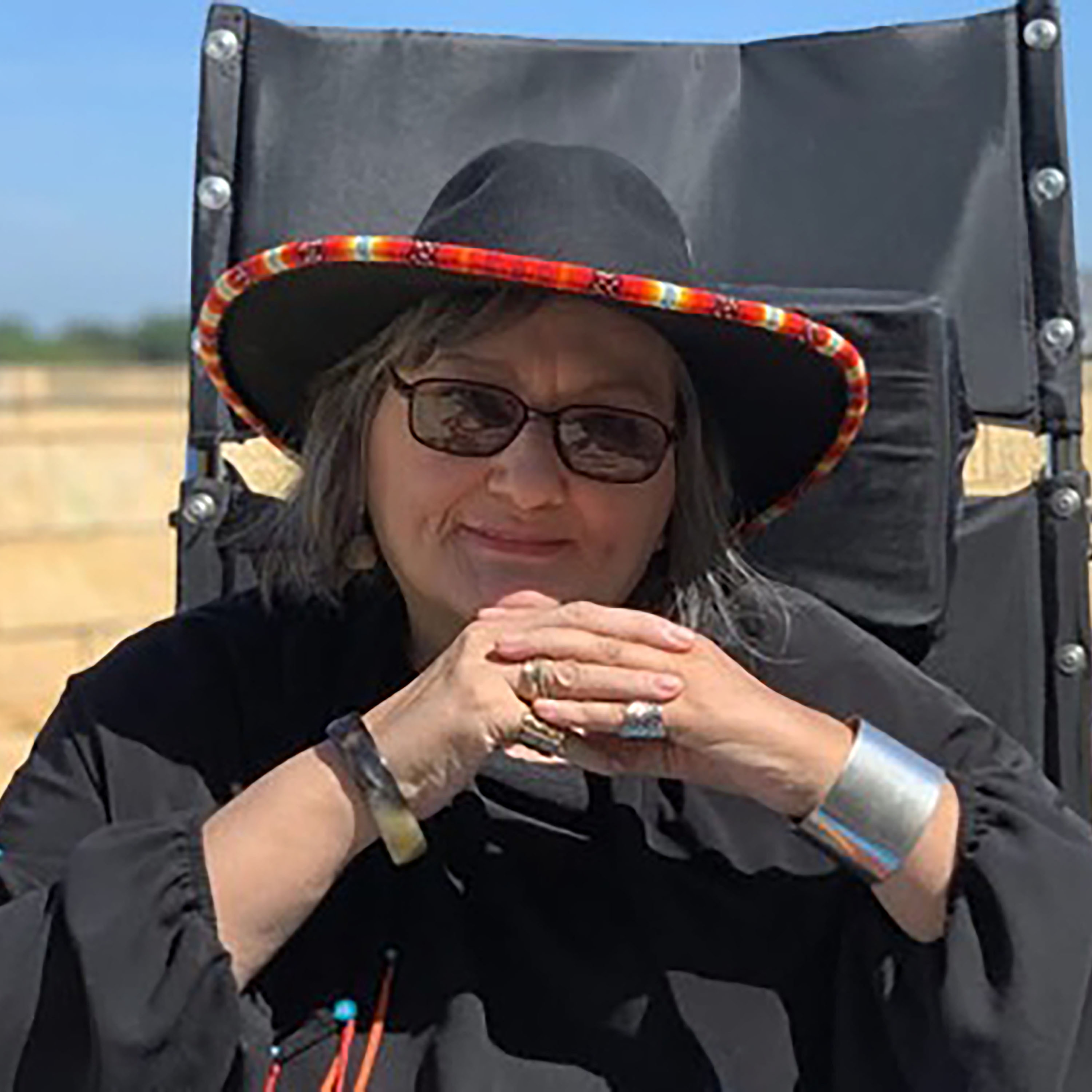
Suzan Shown Harjo, a distinguished advocate for Native American rights, has dedicated over six decades to the protection and advancement of Indigenous interests. As the president of The Morning Star Institute and a former executive director of prominent organizations, she has been instrumental in the creation of pivotal legislation, including the American Indian Religious Freedom Act and the Native American Graves Protection and Repatriation Act. Our discourse with Harjo elucidates her remarkable endeavors, including the campaigns that successfully led to the elimination of derogatory Native mascots and the reclamation of ancestral lands. We explore her insights on the importance of education and cultural preservation, as well as her commitment to fostering unity within Indigenous communities. Join us as we explore the profound impact of Harjo's work and her vision for the future of Native American rights. In this profound exchange with Suzan Shown Harjo, we engage in a comprehensive exploration of her lifetime of advocacy for Native American rights. Harjo, a trailblazer in the fight for Indigenous justice, recounts her extensive involvement in critical legislative initiatives and her commitment to preserving Native culture and heritage. The discussion traverses her experiences with the anti-Vietnam War movement, her tenure in various influential roles, and her insights on the significance of education in shaping future leaders. With a focus on the importance of cultural identity and the reclamation of Indigenous narratives, Harjo articulates her vision for a more equitable future, where the voices of Native peoples are not only heard but celebrated. This episode serves as an essential reminder of the resilience and strength of Indigenous communities and the ongoing fight for justice and recognition. Takeaways: Suzan Shown Harjo's advocacy for Native American rights spans over six decades, marking her as a pivotal figure in this movement. As the president of The Morning Star Institute, Harjo has played a crucial role in enacting significant legislation that protects Indigenous rights and cultures. Her leadership in campaigns against derogatory Native mascots has resulted in the successful removal of offensive names from American sports. Harjo's interdisciplinary contributions as a poet, curator, and journalist have enriched the cultural landscape of Native American narratives throughout her career. Links referenced in this episode: elevenwarriorarts.com Companies mentioned in this episode: Morningstar Institute National Congress of the American Indians Native American Rights Fund University of Oklahoma Dartmouth Syracuse University St. John's University University of Minnesota WBAI Pacifica CBS Walter Cronkite Philip Glass Annie Revere Lillian Hellman Yip Harburg Ring Lardner Jr. Medicine Lodge Creek
0:04Hello and welcome again to another episode of Five Plain Questions,
0:07a podcast that proposes five questions to indigenous artists,
0:10creators, musicians, writers, movers and shakers and culture bears,
0:14people in the community that are doing great things for the communities.
0:17I'm Joe Williams, your host for this conversation.
0:20My goal is to showcase these amazing people from our Indigenous
0:23communities from around the region and country.
0:26I want to introduce you to Suzanne Shone Harjo.
0:29Suzanne Shon Harjo is a Cheyenne civil citizen, Cheyenne
0:33Arapaho Mskogee.
0:34She is a six decade champion for Native rights, founder and president
0:38of the Morningstar Institute and former executive director of
0:42the National Congress of the American Indians and Native American
0:44Rights Fund.
0:45She helped win landmark laws like the American Indian Religious