
5 Plain Questions · Joe Williams
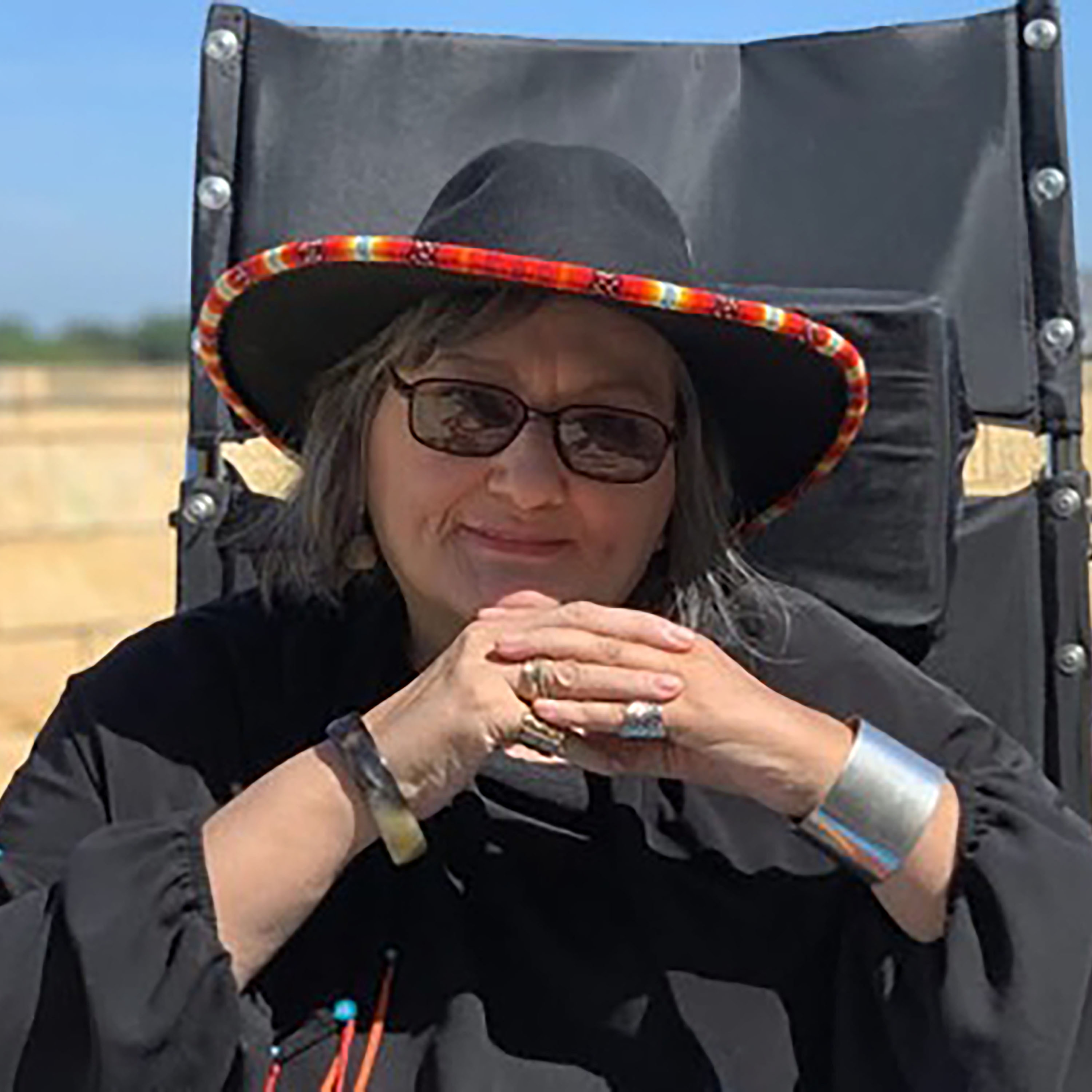
Suzan Shown Harjo, a prominent advocate for Native American rights, has dedicated over six decades to championing the causes of Indigenous peoples. As the president of The Morning Star Institute and a former executive director of significant organizations, she has been instrumental in the passage of landmark legislation such as the American Indian Religious Freedom Act and the Native American Graves Protection and Repatriation Act. Her relentless efforts have not only led to the return of over one million acres of Indigenous land but have also sparked movements to eliminate derogatory Native mascots from American sports. In this insightful conversation, we explore Harjo's profound impact on Native rights, her personal journey, and her unwavering commitment to cultural preservation and advocacy. Join us as we explore her invaluable contributions to the Indigenous community and the ongoing struggle for justice and recognition. Suzan Shown Harjo, a Cheyenne citizen and an illustrious advocate for Native American rights, has dedicated over sixty years to the tireless pursuit of justice and equity for Indigenous peoples. As the founder and president of The Morning Star Institute, she has been instrumental in the establishment of landmark legislation that has fundamentally reshaped the landscape of Native rights in the United States. Her involvement in the creation of the American Indian Religious Freedom Act (AIRFA) of 1978 and its amendments, as well as the Native American Graves Protection and Repatriation Act of 1990, underscores her commitment to the protection of Indigenous cultural and spiritual practices. Throughout her career, Harjo has championed the repatriation of ancestral lands and cultural artifacts, successfully advocating for the return of over one million acres to Native peoples. Her relentless efforts have not only led to the elimination of derogatory Native mascots in sports but have also included a profound commitment to the re-Indigenization of place names across the nation. Harjo's recognition as a recipient of the Presidential Medal of Freedom in 2014 further solidifies her status as a leading voice for Indigenous justice, reflecting the deep respect and admiration she has garnered throughout her extensive career. In this engaging conversation, Harjo reflects on her upbringing in Cheyenne and Muscogee lands, where her early experiences shaped her worldview. Raised amid rich cultural traditions and a strong sense of community, she discusses the influence of her grandparents and other familial figures who instilled in her the values of resilience, respect, and kinship. Harjo's narrative weaves through her educational journey, highlighting her pivotal experiences in various locations, including her time in Italy, which broadened her perspective on cultural ties and shared human values. She emphasizes the importance of understanding the interconnectedness of Indigenous peoples globally, drawing parallels between their struggles...
0:04Hello and welcome again to another episode of Five Plain Questions,
0:07a podcast that proposes five questions to indigenous artists,
0:10creators, musicians, writers, movers and shakers and culture bears,
0:14people in the community that are doing great things for the communities.
0:17I'm Joe Williams, your host for this conversation.
0:20My goal is to showcase these amazing people from our Indigenous
0:23communities from around the region and country.
0:26I want to introduce you to Suzanne Shone Harjo.
0:29Suzanne Shone Harjo is a Cheyenne civilian, Cheyenne Arapaho
0:34Mskogee.
0:34She is a six decade champion for Native rights, founder and president
0:38of the Morningstar Institute and former executive director of
0:42the National Congress of the American Indians and Native American
0:44Rights Fund.
0:45She helped win landmark laws like the American Indian Religious